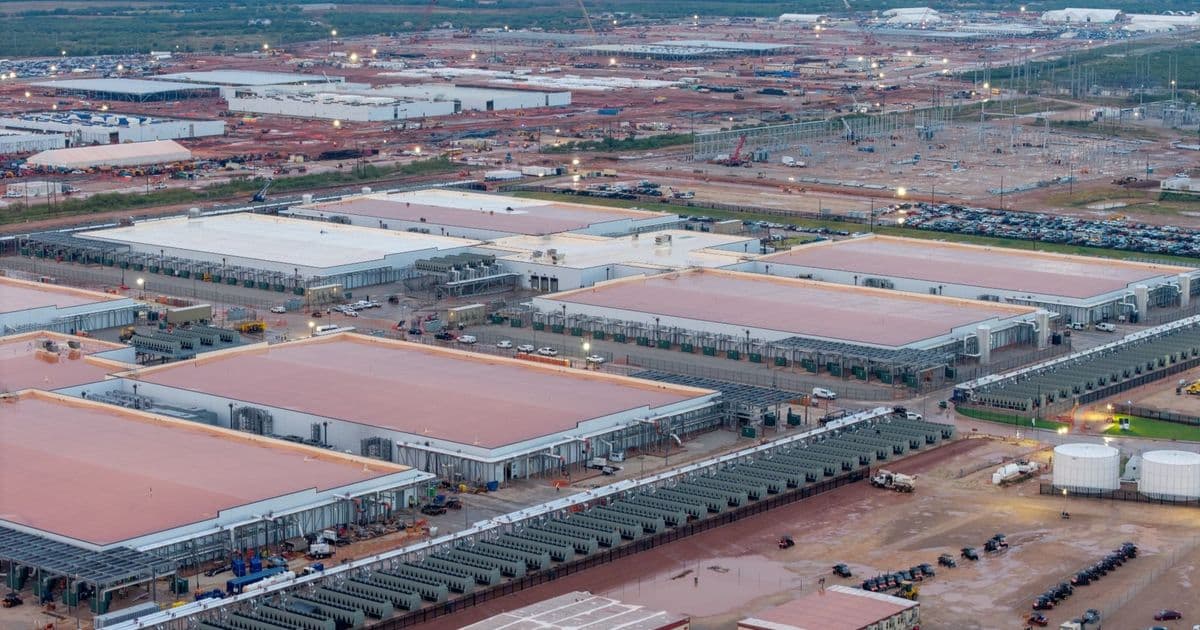
Hill County, Texas voted 3‑2 to impose a 12‑month ban on new data‑center projects on unincorporated land, citing power‑grid strain, noise and community impact. The move underscores a nascent trend of local jurisdictions trying to slow AI‑driven hyperscale builds that have been targeting rural sites to avoid city‑level regulation, even as state officials argue counties lack legal authority to impose such moratoria.
Announcement
Hill County commissioners approved a one‑year moratorium on data‑center construction on rural parcels, passing the measure 3‑2. The vote follows a proposal from Provident Data Centers to develop a 300‑acre campus just north of Hillsboro, roughly 60 mi south of Dallas‑Fort Worth International Airport. While the ban is temporary, it is the first formal, county‑level prohibition of its kind in a state traditionally seen as data‑center friendly.
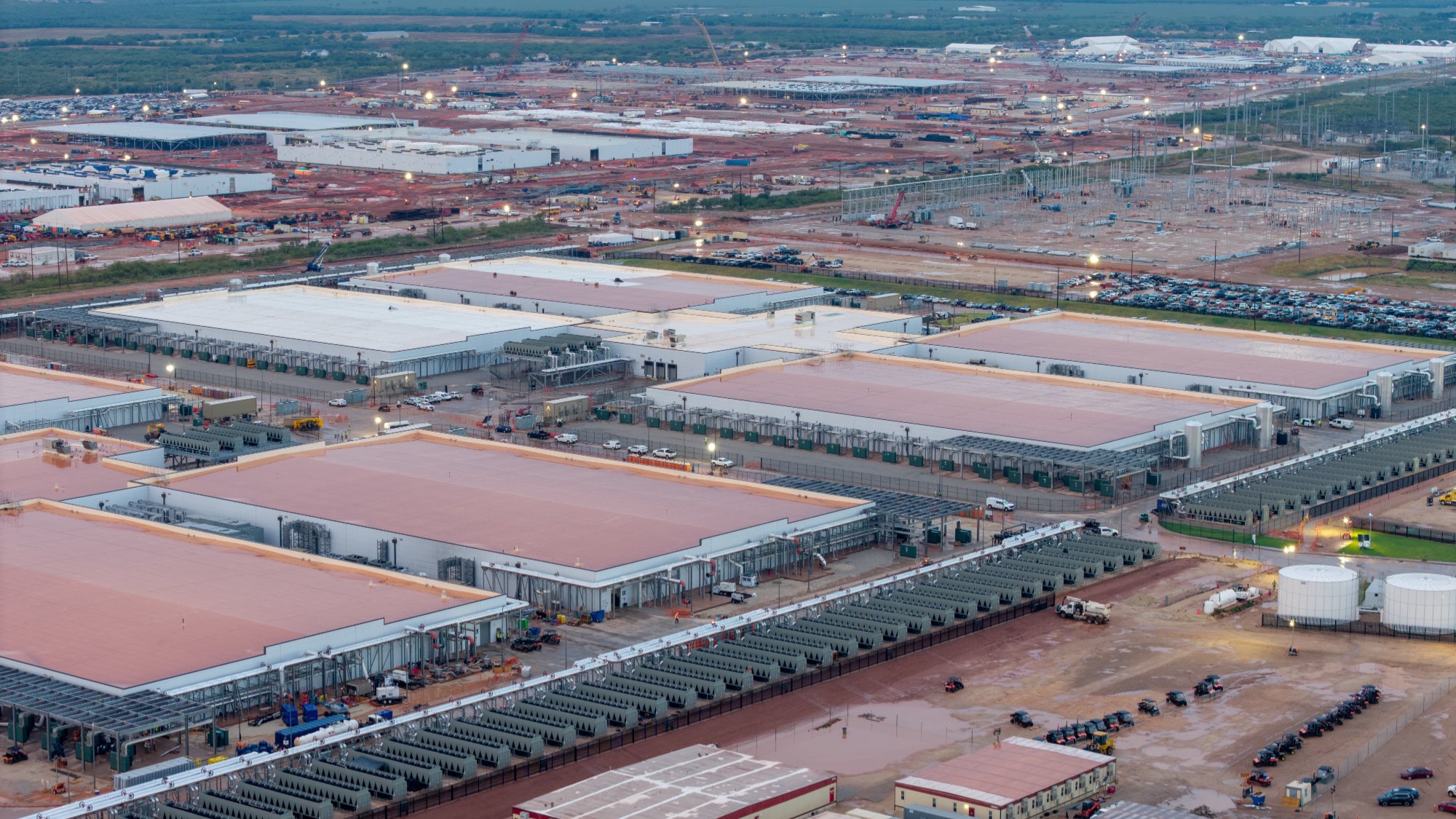 Image credit: Getty
Technical and Regulatory Context
Why developers are eyeing unincorporated land
AI hyperscalers need hundreds of megawatts of power to support large‑scale GPU clusters. City zoning codes often impose stringent building‑code, fire‑safety and community‑impact reviews that can add weeks to a project timeline. By locating on county‑managed land, developers can:
- Skip municipal permitting that typically requires public hearings and environmental impact statements.
- Leverage Texas’ historically lax building‑code enforcement, reducing compliance costs.
- Access larger contiguous parcels suitable for the sprawling footprints of AI‑optimized facilities.
The technical burden of AI‑scale sites
- Power demand: A single AI‑optimized data center can draw 100 MW or more. For comparison, the average U.S. data center consumes about 4 MW.
- Cooling: High‑density racks (up to 30 kW per rack) require advanced evaporative or liquid‑cooling loops, increasing water usage by up to 2 Mgal per year.
- Grid impact: PJM and ERCOT have reported that new AI loads are pushing peak demand beyond 2025 forecasts, prompting utilities to propose $2‑$3 billion in upgrade fees that are ultimately spread across all ratepayers.
Market Implications
Immediate effects on the Hill County project
The moratorium forces Provident Data Centers to pause site‑specific engineering studies, including:
- Interconnection studies with the local utility (ERCOT’s North Texas sub‑region), which typically take 6‑9 months.
- Environmental assessments for water‑use permits, a step that can add another 3‑4 months if community objections arise.
If the county’s ban holds, the project’s time‑to‑revenue could shift from an industry‑average of 19 days for rack installation to 18‑24 months for full build‑out, dramatically altering the financial model that relies on rapid capacity delivery.
Broader trend among U.S. jurisdictions
Hill County joins a growing list that includes:
- Alaska’s North Slope (temporary halt on data‑center construction pending power‑grid studies).
- Virginia’s Loudoun County (2023 moratorium that was later overturned on legal grounds).
- California’s San Joaquin Valley (conditional permits requiring renewable‑energy offsets).
These actions reflect a feedback loop: developers chase low‑regulation zones, communities experience higher electricity rates and noise, and local officials respond with moratoria or stricter permitting. The result is a fragmented regulatory environment that could slow the U.S. AI‑compute supply chain.
Legal uncertainty
State Sen. Paul Bettencourt (R‑Houston) has formally questioned the county’s authority, writing to Attorney General Ken Paxton that Texas law does not grant counties the power to impose development bans. County Attorney David Holmes warned the commission of potential lawsuits, noting that any injunction could be dismissed if a court finds the moratorium exceeds statutory limits.
Should a court rule the ban unlawful, Hill County may be forced to re‑open the permitting process, potentially accelerating the project if developers can quickly secure utility agreements. Conversely, a upheld moratorium could set a precedent for other Texas counties to adopt similar measures, effectively creating a patchwork of de‑facto data‑center zones.
Outlook
- Short term (0‑12 months): Expect legal challenges; developers may pivot to alternative sites in neighboring counties with more permissive policies.
- Mid term (1‑3 years): Utilities will likely accelerate grid‑upgrade programs, possibly offering capacity‑purchase agreements that bundle renewable energy to appease community concerns.
- Long term (3‑5 years): If local resistance continues, we may see a shift toward edge‑compute micro‑facilities that distribute AI workloads across existing colocation sites, reducing the need for massive, single‑site power draws.
For stakeholders tracking AI‑infrastructure supply, Hill County’s moratorium is a signal that community and regulatory friction can no longer be ignored as a peripheral risk. Companies planning new hyperscale builds should incorporate community‑impact analyses and grid‑capacity contingency plans into their early‑stage feasibility studies.
Related reading:
- ERCOT’s 2024 Grid Reliability Report – details on projected peak loads and upgrade costs.
- Texas Data Center Association – Regulatory Overview – a snapshot of state‑level policies affecting data‑center siting.
Comments
Please log in or register to join the discussion