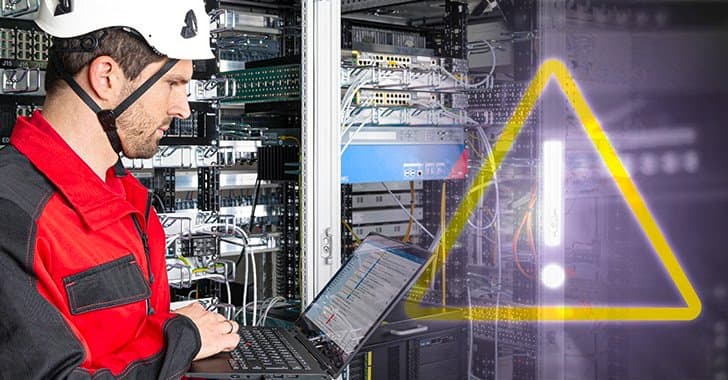
A comprehensive study of over 100 energy facilities worldwide has uncovered widespread cybersecurity vulnerabilities in operational technology networks, highlighting the urgent need for specialized security solutions in critical infrastructure.
A comprehensive study of over 100 energy facilities worldwide has uncovered widespread cybersecurity vulnerabilities in operational technology networks, highlighting the urgent need for specialized security solutions in critical infrastructure.
Critical Infrastructure Under Threat
The energy sector faces mounting cybersecurity challenges as operational technology (OT) networks in substations, power plants, and control centers reveal significant security gaps. A recent analysis by OMICRON, based on years of deploying their intrusion detection system StationGuard, paints a concerning picture of the current state of energy infrastructure security.
Drawing from data across dozens of countries, the findings reveal that many critical systems operate with unpatched devices, insecure external connections, weak network segmentation, and incomplete asset inventories. These vulnerabilities often manifest within minutes of security assessments, suggesting that many facilities remain dangerously exposed to potential cyber threats.
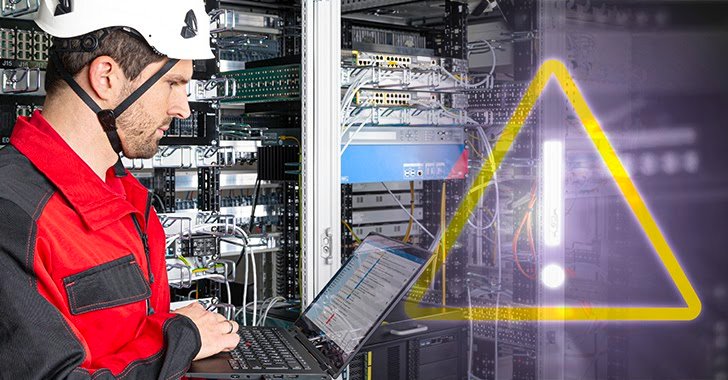
Why Traditional Security Approaches Fall Short
Unlike conventional IT environments, OT networks in energy systems present unique security challenges. Many devices operate without standard operating systems, making traditional endpoint detection solutions impractical. This limitation necessitates network-level detection capabilities that can monitor communication patterns without disrupting critical operations.
OMICRON's StationGuard deployments typically use network mirror ports or Ethernet TAPs to passively monitor communication flows. This approach provides several key benefits:
- Real-time visualization of network communication patterns
- Identification of unnecessary services and risky network connections
- Automatic asset inventory creation
- Detection of device vulnerabilities based on comprehensive monitoring
Technical Vulnerabilities Exposed
The analysis identified several recurring technical issues across energy OT networks. Perhaps most alarming is the prevalence of vulnerable PAC devices operating with outdated firmware. The study found numerous instances of the CVE-2015-5374 vulnerability, which allows denial-of-service attacks on protective relays through single UDP packets. Despite patches being available since 2015, many devices remain unpatched.
Other technical weaknesses include:
- Undocumented external TCP/IP connections, with some substations showing over 50 persistent connections to external IP addresses
- Unnecessary insecure services such as unused Windows file sharing and unsecured PLC debugging functions
- Weak network segmentation, with many facilities operating as single large flat networks
- Unexpected devices appearing on networks without documentation, including IP cameras and printers
Organizational Challenges Compound Risks
Beyond technical flaws, the study revealed significant organizational challenges that exacerbate cyber risks. The traditional model of IT departments managing OT security often struggles to address the unique requirements of energy infrastructure. Key organizational issues include:
- Departmental boundaries between IT and OT teams creating communication gaps
- Lack of dedicated OT security personnel with specialized expertise
- Resource constraints limiting the implementation of security controls
- Limited visibility into OT environments due to departmental silos
Operational Failures Impact Reliability
The security assessments also uncovered numerous operational problems that, while not directly related to cyber threats, significantly impact system reliability. VLAN issues emerged as the most frequent problem, often involving inconsistent VLAN tagging of GOOSE messages across networks. Other common operational failures included:
- RTU and SCD mismatches leading to broken communication between devices
- Time synchronization errors ranging from simple misconfigurations to incorrect time zones
- Network redundancy issues involving RSTP loops and misconfigured switch chips
These operational weaknesses not only affect availability but can amplify the consequences of cyber incidents when they occur.
The Path Forward for Energy Security
The findings underscore the urgent need for robust, purpose-built security solutions designed specifically for OT environments. OMICRON's StationGuard Solution offers several features that address these challenges:
- Deep protocol understanding for comprehensive monitoring
- Asset visibility through automated inventory creation
- Built-in allowlisting to detect deviations from expected behavior
- Signature-based detection for known threats in real time
- Monitoring of both IT and OT protocols including IEC 104, MMS, and GOOSE
For utilities looking to strengthen their security posture, the study suggests several critical steps:
- Implement network-level intrusion detection systems designed for OT environments
- Develop comprehensive asset inventories using both passive and active discovery methods
- Establish clear responsibilities for OT security within organizational structures
- Address network segmentation to limit the impact radius of potential incidents
- Regular security assessments to identify and remediate vulnerabilities
As IT and OT environments continue to converge, the energy sector must adapt its security measures to keep pace with evolving threats. The widespread vulnerabilities identified in this study serve as a wake-up call for utilities worldwide to prioritize OT security and invest in specialized solutions that can protect critical infrastructure from increasingly sophisticated cyber threats.
The convergence of IT and OT environments presents both opportunities and challenges. While integration can improve efficiency and enable new capabilities, it also expands the attack surface and requires security approaches that bridge the gap between traditional IT security and the unique requirements of operational technology.

For organizations seeking to address these security gaps, solutions like StationGuard provide the transparency and control needed to protect critical infrastructure while maintaining operational continuity. The ability to detect and respond to threats at every layer of the substation network represents a crucial advancement in energy sector cybersecurity.
As cyber threats continue to evolve in sophistication and frequency, the energy sector must remain vigilant in addressing both technical vulnerabilities and organizational challenges. The findings from this comprehensive study serve as a roadmap for utilities seeking to strengthen their security posture and protect the critical infrastructure that powers modern society.
Comments
Please log in or register to join the discussion