
Tact Machines, a startup developing haptic feedback technology for cultural sites, raises $12M in Series A funding to revolutionize how people experience art and architecture.
Tact Machines, a Florence-based startup developing tactile technology for cultural experiences, has secured $12 million in Series A funding led by European venture capital firm Renaissance Ventures. The company aims to transform how people interact with art and architecture by creating multisensory experiences that bridge the gap between visual appreciation and tactile understanding. 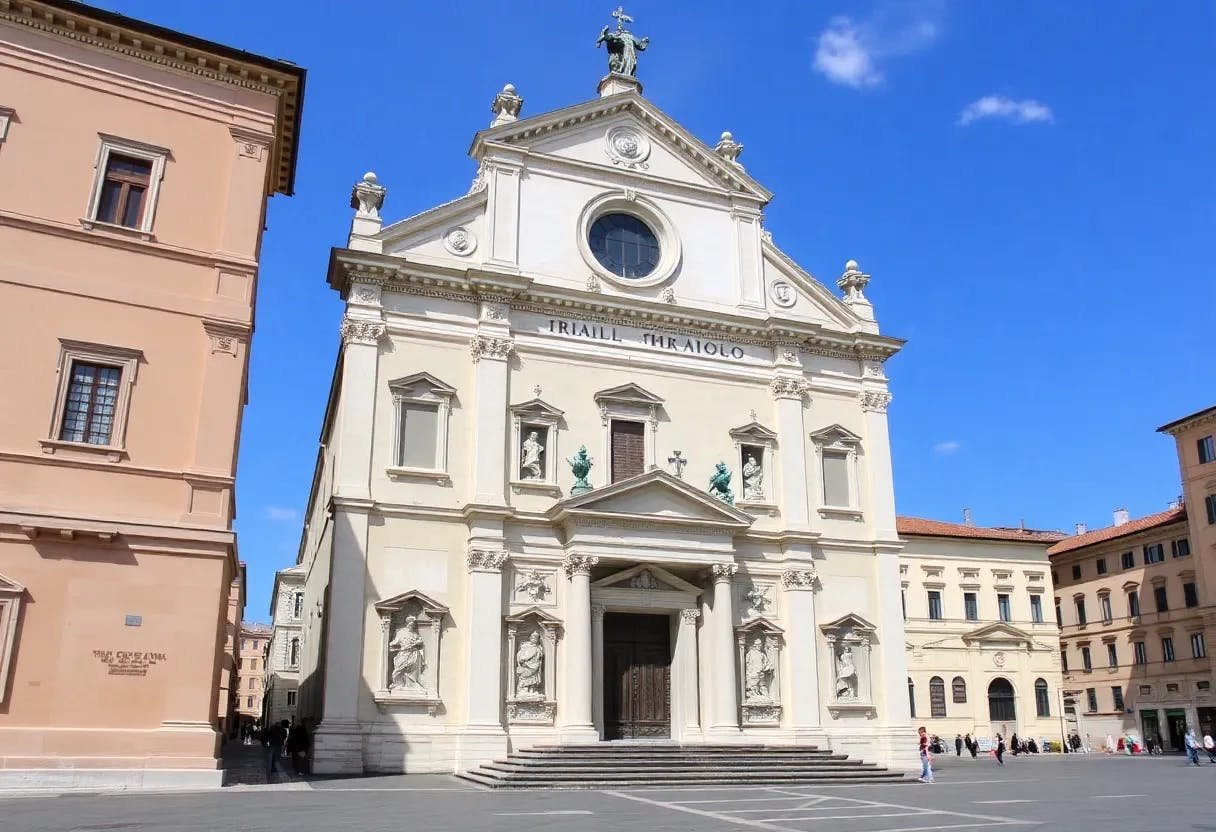
Founded in 2024 by Dr. Elena Rossi, a former MIT Media Lab researcher specializing in haptic technology, and Marco Bianchi, a digital preservation expert from the University of Florence, Tact Machines addresses a fundamental limitation in cultural tourism: the inability to touch historically significant artworks and structures.
"We've all stood before masterpieces like Giotto's frescoes in Santa Croce and wished we could feel the texture, the depth, the artist's touch," said Dr. Rossi in a recent interview. "Our technology creates a bridge between the visual and tactile, allowing visitors to experience art in a more profound, multisensory way."
The company's proprietary system uses high-resolution 3D scanning combined with advanced haptic feedback devices that recreate the tactile properties of surfaces. When a visitor interacts with a digital representation of an artwork, they can feel the brushstrokes, the relief, the texture – essentially experiencing the tactile values that art historians like John Ruskin emphasized in their analyses.
Tact Machines' technology has already been piloted at several Italian cultural institutions, including the Basilica of Santa Croce in Florence, where visitors can now experience Giotto's frescoes through a combination of visual displays and tactile feedback devices. The system allows users to feel the texture of the painted surfaces, the depth of the compositions, and even the temperature variations that might have existed when the works were created.
The $12 million funding round will enable Tact Machines to expand its technology platform, develop new applications for museums and historical sites, and scale its operations across Europe and North America. The company plans to use the funds to hire additional engineers, expand its sales and marketing efforts, and invest in research and development.
"Cultural institutions are facing significant challenges in engaging younger audiences who expect interactive, immersive experiences," said Marco Bianchi, co-founder and CTO of Tact Machines. "Our technology helps bridge this gap by creating meaningful connections between visitors and cultural heritage, making history tangible and accessible in ways traditional displays cannot."
The company's approach has resonated with investors who see significant market potential in the intersection of technology and cultural preservation. Renaissance Ventures, the lead investor, has a strong track record in supporting European technology companies focused on digital transformation.
"We were impressed by Tact Machines' innovative approach to solving a real problem in cultural preservation and education," said Sophie Dubois, partner at Renaissance Ventures. "Their technology creates new revenue streams for cultural institutions while enhancing visitor experiences. This represents a significant opportunity in the $2.5 billion global museum technology market."
Tact Machines has also formed partnerships with several major cultural institutions, including the Uffizi Gallery in Florence, the Vatican Museums, and the Louvre in Paris. These partnerships provide the company with access to high-profile installations and help validate the technology's effectiveness in real-world settings.
The technology works by creating highly detailed 3D scans of artworks and architectural elements. These scans capture not just visual information but also surface properties such as texture, temperature, and even subtle vibrations. When visitors interact with the system through specialized gloves or styluses, they receive tactile feedback that recreates these properties.
One of the key innovations of Tact Machines' system is its ability to convey the "tactile values" that art historians like John Ruskin emphasized in their analyses of works like Giotto's frescoes. By allowing visitors to feel the texture and depth of these works, the technology provides a more complete understanding of the artistic techniques and intentions.
The company's business model involves licensing its technology to cultural institutions, which can then create interactive exhibits for their visitors. Tact Machines also offers premium experiences for individual visitors, allowing them to schedule personalized tactile tours of artworks and historical sites.
Looking ahead, Tact Machines plans to expand its technology beyond visual art to include architectural elements, historical artifacts, and even natural landscapes. The company is also exploring applications in education, where tactile experiences could help students better understand historical periods and artistic movements.
"The potential applications for our technology are nearly limitless," said Dr. Rossi. "From helping visually impaired individuals experience art to creating immersive historical recreations, we're just beginning to scratch the surface of what's possible."
As cultural institutions continue to adapt to changing visitor expectations and technological advancements, Tact Machines appears well-positioned to become a key player in the evolution of cultural experiences. By making the invisible tactile aspects of art and architecture accessible to all, the company is helping to create a more inclusive and engaging approach to cultural heritage.
For more information about Tact Machines and their technology, visit their official website or explore their research publications on the intersection of haptic technology and cultural preservation.
Comments
Please log in or register to join the discussion