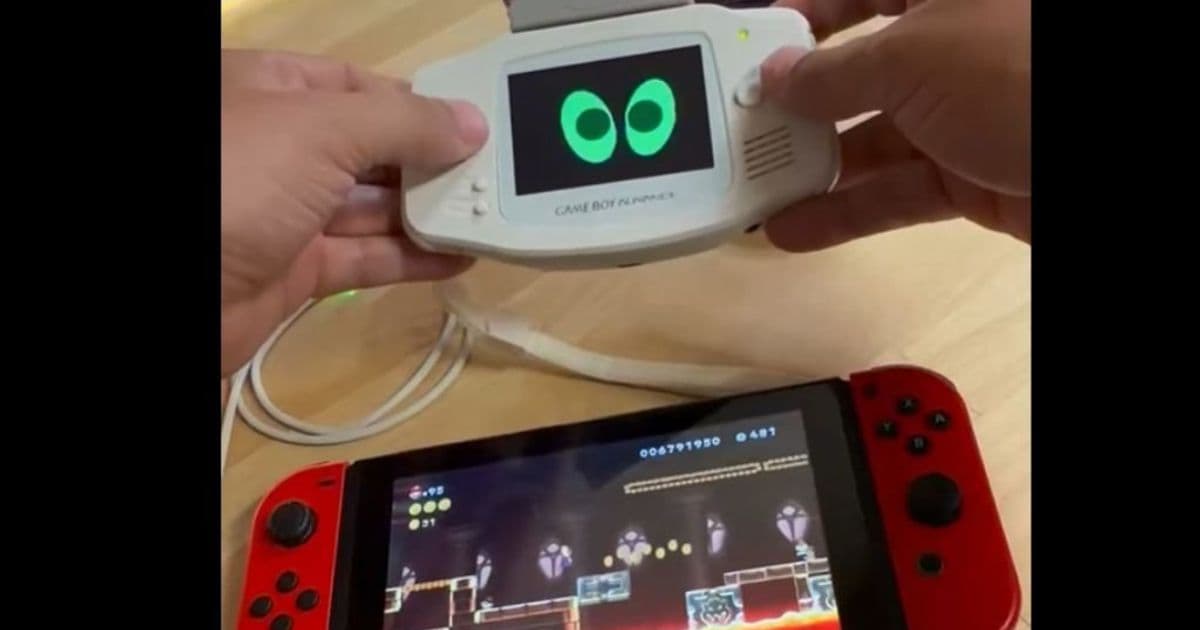
A creative modder has successfully repurposed a Game Boy Advance into a functional Nintendo Switch controller, reviving nostalgia while offering practical functionality for retro gaming enthusiasts.
What's New: Robert Dale Smith, a dedicated tinkerer and modder, has developed an ingenious solution that bridges the gap between Nintendo's classic handheld and its modern console. Using a standard Game Boy Advance, its proprietary link cable, and additional hardware components, Smith has created a functional controller for the Nintendo Switch. The mod allows users to play both digital and physical Game Boy Advance titles on the Switch using the original hardware as a controller.
Smith demonstrated this remarkable feat by playing Nintendo Switch Online's library of emulated GBA games, as well as the recently released physical copies of Pokémon FireRed and LeafGreen. The project was born from Smith's personal nostalgia for the GameCube and Game Boy Advance era, when Nintendo frequently utilized the handheld as a secondary screen or controller for console games.
The technical implementation relies on Smith's open-source Joypad OS firmware, which transforms the GBA into a USB controller compatible with multiple platforms. The process involves using the GBA link cable to sideload a small multiboot ROM into the handheld's memory, which then facilitates communication between the GBA and the Switch through the adapter. More information about the Joypad OS firmware can be found on Smith's GitHub repository.
How It Compares: This mod represents a significant evolution from previous attempts to connect classic Game Boy hardware to modern systems. Unlike simple USB controller adapters that merely map buttons, Smith's solution maintains the authentic GBA form factor while adding modern functionality. The mod preserves the original d-pad, face buttons, shoulder buttons, and even the shoulder triggers that were absent from the original GBA.
Compared to Nintendo's official approach to backward compatibility, this mod offers a more tactile and authentic experience. While the Switch's built-in emulation provides access to GBA games, players must use standard Switch controllers or the Joy-Con's horizontal orientation. Smith's solution allows for the precise control scheme that many GBA veterans prefer.
The mod also has advantages over third-party GBA-style controllers currently on the market. Unlike modern reproductions, this solution utilizes original hardware, providing the authentic feel, build quality, and even the slight screen curvature that defined the GBA experience. Additionally, the mod maintains the original's ergonomic design, which many players still find superior to modern alternatives.
Who It's For: This mod is particularly appealing to several distinct groups of gamers. First, retro gaming enthusiasts who still own their original Game Boy Advance hardware will appreciate the opportunity to repurpose their devices rather than purchasing additional controllers. The mod represents an excellent use for older hardware that might otherwise collect dust.
Second, collectors and preservationists will value this innovation as it keeps original hardware relevant in modern gaming ecosystems. Rather than being relegated to display cases, these classic devices can continue to serve their intended purpose while embracing new technology.
Third, speedrunners and competitive players who have developed muscle memory with the GBA's control scheme will benefit from the familiar layout when playing GBA titles on the Switch. The precise d-pad and button placement that many players mastered during the GBA era can provide a competitive advantage in certain games.
Finally, developers and tinkerers interested in hardware modification will find this project particularly inspiring. Smith has made the firmware open-source, inviting further innovation and potential commercial applications. As Smith noted, "If Nintendo ever wants to talk, then my DMs are open. We can easily make this happen. The open-source firmware is done. The hardware costs just a few bucks. Switch games just need a small software patch to bridge the gap."
Technical Details: The implementation relies on a Pico microcontroller that acts as an intermediary between the GBA and the Switch. When the Switch powers the adapter, it signals that it's in USB mode, allowing the system to recognize the GBA as a generic controller. The two-way communication between the GBA and the microcontroller enables more complex functionality beyond simple button mapping.
Smith's Joypad OS firmware supports the GBA as a USB controller across multiple platforms, including PC, PS3, Xbox 360, and now the Nintendo Switch. This versatility makes the mod even more valuable to multi-console owners who can use the same hardware across different gaming systems.
The project harkens back to the "wild couch co-op vibes" of classic GameCube titles like The Legend of Zelda: The Wind Waker, which utilized the GBA as a second screen or additional controller. While this modern implementation requires some external wiring and a microcontroller, it successfully captures that nostalgic feeling while making it functional in today's gaming landscape.
For those interested in attempting this mod themselves, Smith has made the firmware open-source, though the hardware components and specific assembly details would require additional research. The project serves as an excellent example of how classic hardware can find new life through creative modification and open-source development.
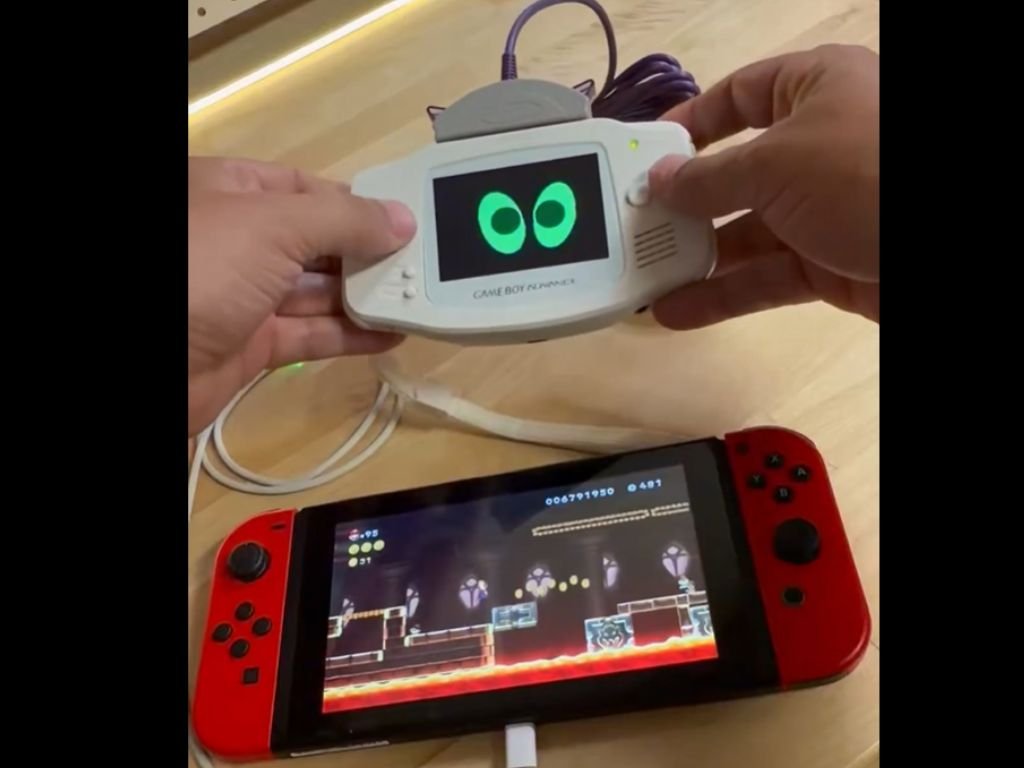
In conclusion, Robert Dale Smith's mod represents an impressive fusion of retro and modern gaming technology. By transforming a Game Boy Advance into a functional Switch controller, he has created a solution that honors gaming history while providing practical functionality for contemporary players. As gaming continues to evolve, innovations like this demonstrate how classic hardware can remain relevant and beloved by new generations of gamers.
Comments
Please log in or register to join the discussion