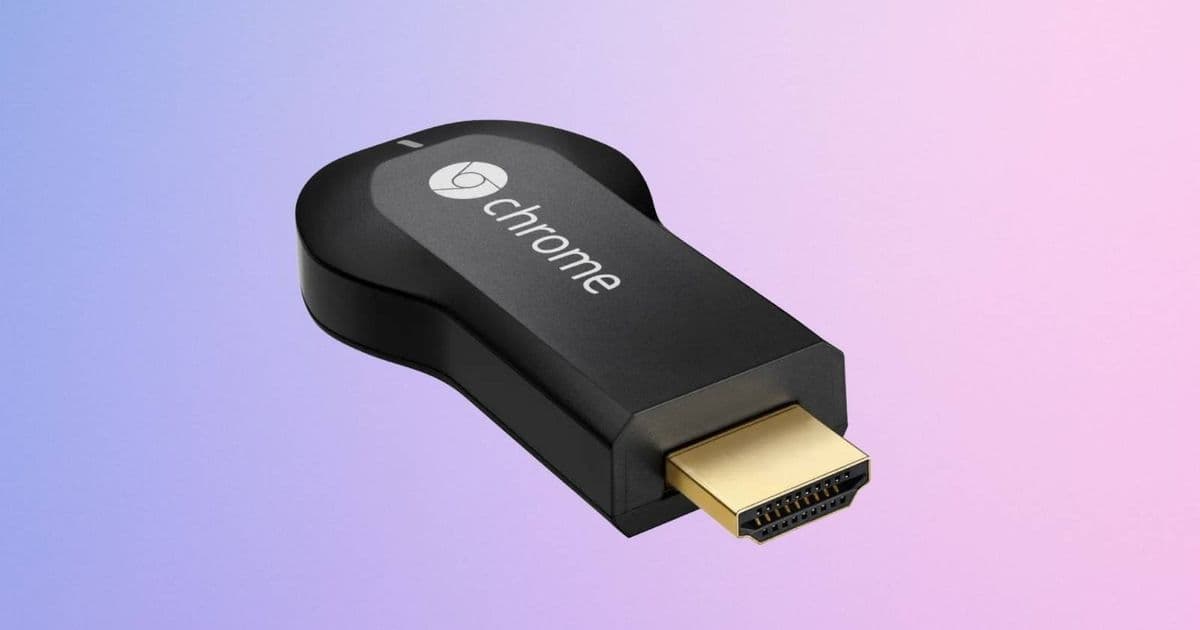
After years of speculation and multiple near-death experiences, Google appears to have finally discontinued support for the original Chromecast, leaving developers and users to consider migration options.
The original Chromecast, the device that kicked off Google's foray into streaming media hardware, appears to have reached its end-of-life. According to multiple sources within Google and retail partners, the company has ceased production of the first-generation Chromecast and has stopped providing security updates for the device.
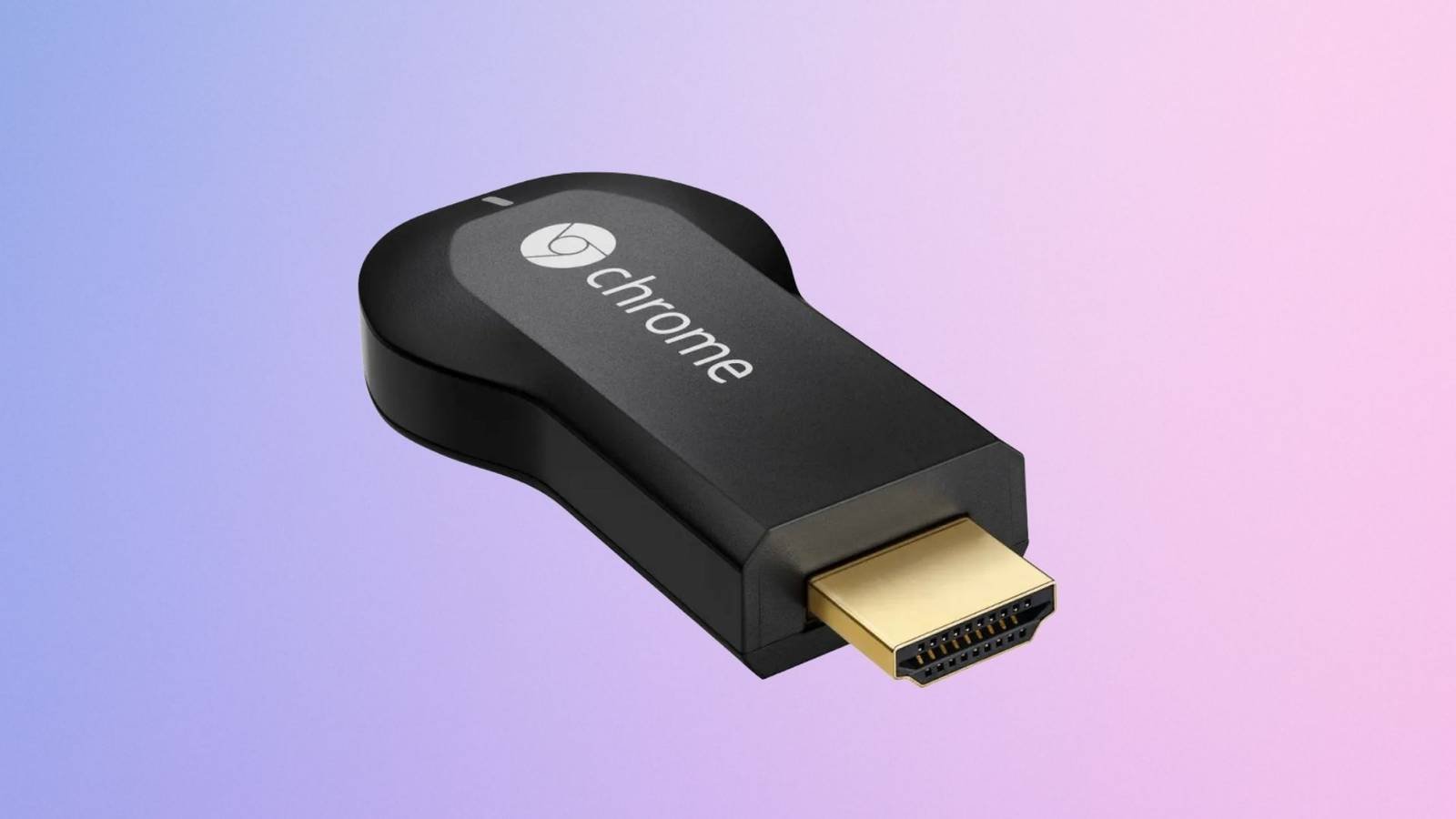
This isn't the first time the original Chromecast has been declared "dead." Over the years, Google has gradually shifted focus to newer models like the Chromecast with Google TV and Chromecast Ultra. However, this time appears different, with the company completely removing the original Chromecast from its developer documentation and ending support for the Cast SDK v1.
Platform Update
Google's developer documentation now lists the original Chromecast as "deprecated" with a notice that "support will be discontinued after Q4 2026." The Cast SDK v1, which powered the original device, has been replaced by Cast SDK v2 and v3, which offer improved performance, security features, and better cross-platform support.
The original Chromecast, released in 2013, used a custom version of Chrome OS and had limited processing power. It relied heavily on the host device (phone, tablet, or computer) to do the heavy lifting for streaming. This architecture made it vulnerable to security issues that newer models have addressed.
Developers looking to maintain compatibility with the original Chromecast will need to make significant changes to their applications. The Cast SDK v1 is no longer available for new applications in the Google Play Store and Apple App Store.
Google has provided a migration guide in its developer documentation, outlining the steps needed to update applications to use the newer SDK versions. The guide includes code examples and best practices for handling the transition.
Developer Impact
For developers who have maintained support for the original Chromecast, this presents both challenges and opportunities. The biggest challenge is maintaining backward compatibility while moving forward with newer SDK versions.
The Cast SDK v3, released in 2024, requires minimum API levels that are incompatible with the original Chromecast's operating system. This means developers must implement feature detection and fallback mechanisms to handle different device capabilities.
"Developers should prioritize migrating to Cast SDK v3 as soon as possible," says a Google spokesperson. "While we understand the need to support legacy devices, the security and performance benefits of the newer SDKs are significant."
The impact extends beyond just code changes. Developers will need to update their testing infrastructure to ensure compatibility with newer Chromecast models while potentially maintaining support for the original device until early 2027.
Google's official Cast SDK documentation provides detailed information about the differences between versions and migration strategies.
Migration Options
For users still using the original Chromecast, several options are available:
Upgrade to newer hardware: The Chromecast with Google TV starts at $49.99 and offers a significant upgrade in processing power, 4K support, and a remote control. Google's product page has more information.
Third-party alternatives: Devices like Roku Express, Amazon Fire Stick, and Apple TV offer similar functionality with active support. Roku's website and Amazon's Fire TV page provide details on these options.
Continue with legacy support: Some applications may continue to support the original Chromecast through unofficial channels, though this comes with security risks.
For developers, Google recommends:
- Implementing feature detection to identify device capabilities
- Using the Cast SDK v3 for new applications
- Planning a gradual phase-out of support for the original Chromecast
- Providing clear communication to users about the transition
The original Chromecast was a groundbreaking device that helped popularize streaming media and made casting content from mobile devices to TVs simple and affordable. While its end is inevitable, its impact on the streaming media landscape cannot be overstated.
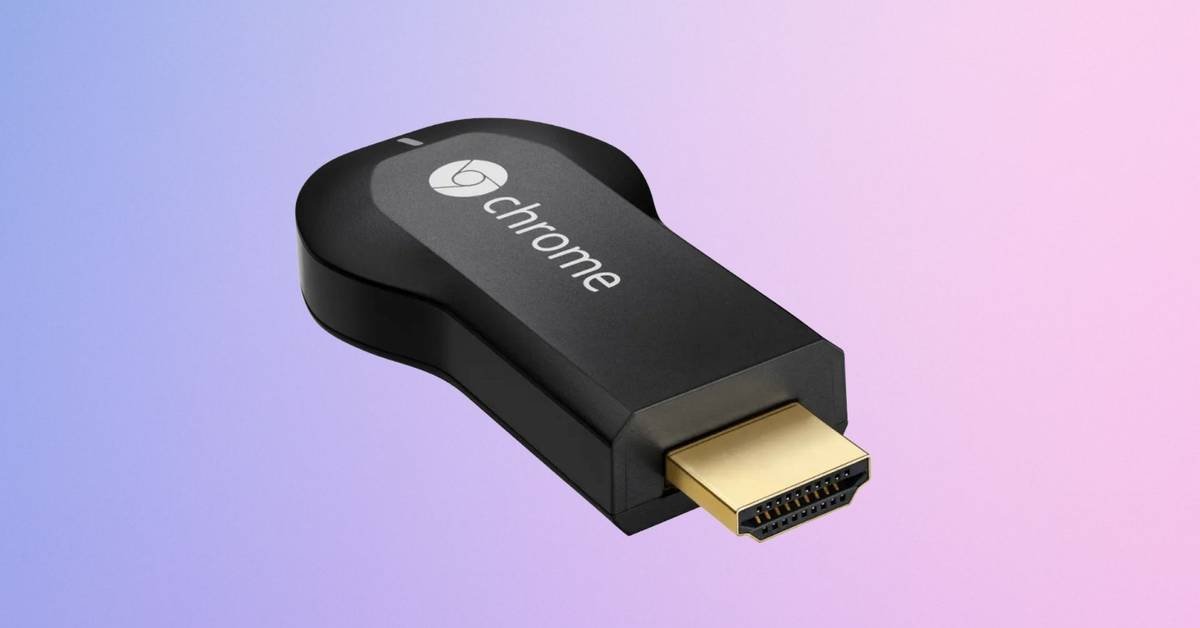
As Google shifts its focus to more powerful streaming devices with integrated interfaces, the original Chromecast will be remembered as the device that made streaming accessible to millions of users worldwide.
Comments
Please log in or register to join the discussion