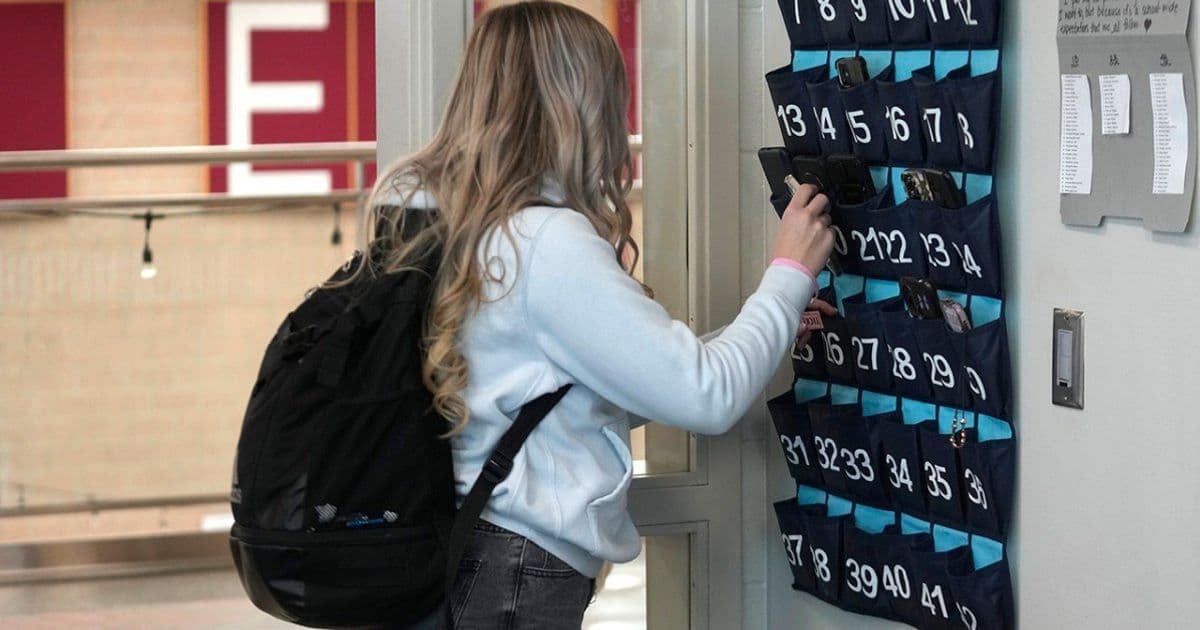
A Pew Research survey shows US teens are sharply divided on classroom phone bans, with 41% supporting restrictions during class time while 51% oppose them—and 73% rejecting full-day prohibitions.
The debate over smartphones in classrooms has reached a critical inflection point, with a new Pew Research Center survey revealing a stark generational divide. While schools nationwide implement increasingly strict phone policies, American teenagers themselves are deeply split: 41% of those aged 13-17 support banning phones during class time, but a majority (51%) oppose such restrictions. Opposition grows even stronger against full-day bans, with 73% of teens rejecting the idea.
This data arrives as education administrators grapple with mounting evidence about technology's impact on learning. Recent studies suggest that even the presence of smartphones reduces cognitive capacity, while classroom distractions from notifications have been shown to impair academic performance by up to 20%. Yet teens counter that their devices serve essential functions—accessing digital textbooks, coordinating group projects, and checking assignment portals like Canvas or Google Classroom.
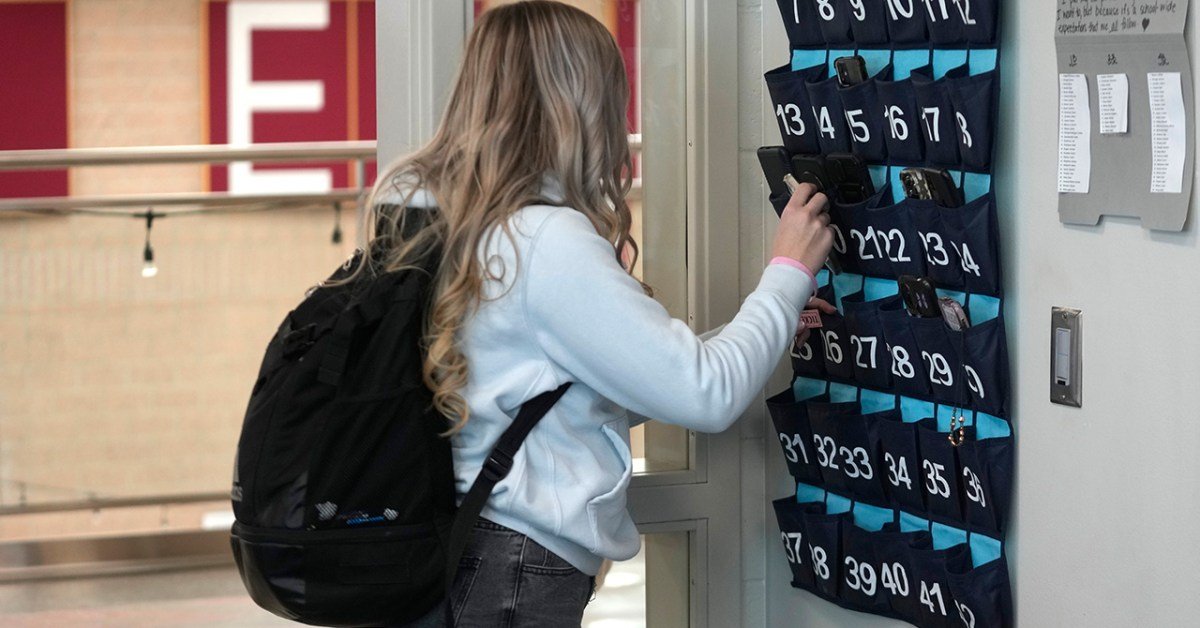
"It's not just about social media," explains Dr. Elena Rodriguez, an educational psychologist at Stanford University. "Today's curriculum assumes digital access. When schools implement blanket bans, they're often removing research tools alongside distractions." This tension manifests in policy experiments nationwide: Some districts install lockable pouches that temporarily disable phones during class hours, while others implement "phone hotels" where devices are stored but remain accessible during breaks.
Notably, teen opposition contrasts sharply with growing adult support for restrictions. Separate Pew data indicates parental approval for classroom phone bans has increased 15% since 2022. This generation gap highlights differing perceptions of technology's role—where adults see distraction machines, teens see lifelines to their social networks and academic resources.
Critics of outright bans point to equity concerns. "Not every student has a laptop or tablet," notes Brian Chen, a high school teacher in Chicago. "For many, their phone is their only internet-connected device. Removing that access during school hours disadvantages low-income students." Meanwhile, proponents cite mental health benefits, with studies linking reduced screen time during school hours to lower adolescent anxiety levels.
The survey suggests compromise solutions may gain traction: 68% of teens support allowing phones during lunch and free periods while banning them during instructional time. As schools weigh these complex tradeoffs, the debate reflects broader societal questions about technology integration—and who gets to decide where the line between tool and distraction should be drawn.
Comments
Please log in or register to join the discussion