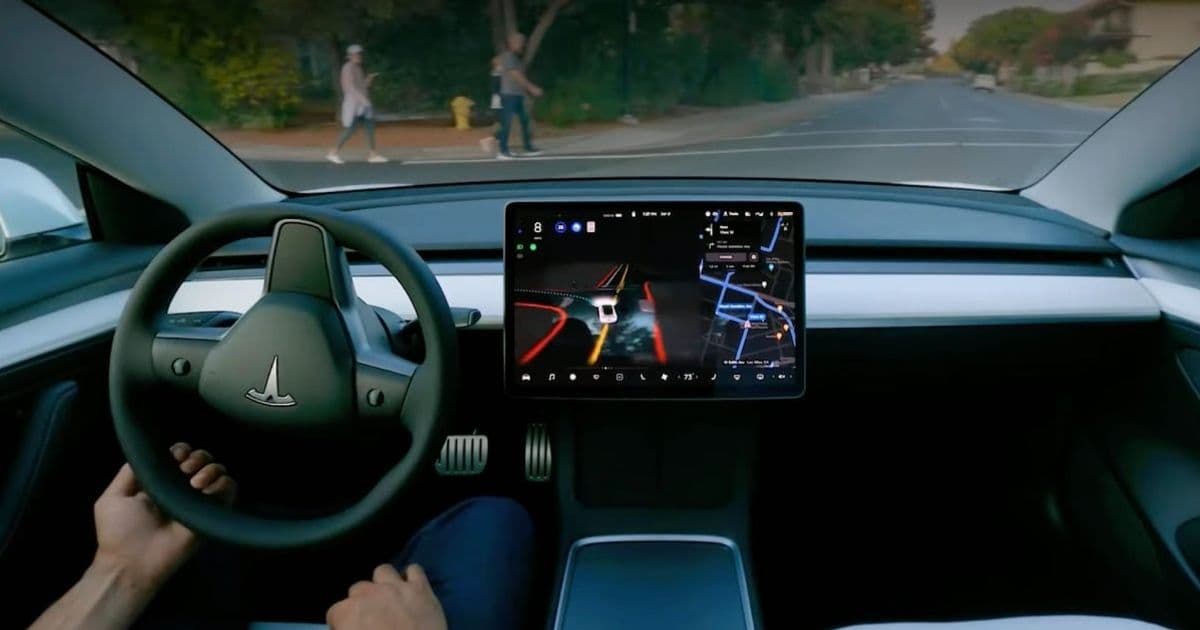
Tesla's autonomous vehicle program faces mounting scrutiny as crash data reveals a troubling safety record that's 4x worse than human drivers, with the company maintaining secrecy around incident details.
Tesla's autonomous vehicle ambitions are facing serious headwinds as new crash data reveals that its Robotaxi fleet in Austin, Texas, is experiencing safety incidents at a rate four times higher than human drivers, raising questions about the company's readiness to deploy fully driverless vehicles.
Crash Rate Exposes Safety Gap
The latest NHTSA data shows Tesla's Robotaxi fleet has now experienced 14 crashes since launching in June 2025, with five new incidents reported in December and January alone. When analyzed against mileage data, this translates to one crash every 57,000 miles - compared to Tesla's own benchmark of one minor collision every 229,000 miles for human drivers.
This performance gap becomes even more concerning when considering that every mile driven by Tesla's Robotaxis has included a trained safety monitor who could intervene at any moment. The fact that the fleet is still crashing at four times the human rate, despite having a human backup ready to take control, suggests fundamental issues with the autonomous system's capabilities.
Hidden Injuries and Lack of Transparency
Perhaps most troubling is Tesla's handling of crash reporting. The company quietly upgraded a July 2025 incident from "property damage only" to "minor with hospitalization" five months after the fact, revealing that someone involved in a Tesla Robotaxi crash required hospital treatment. This delayed disclosure raises serious questions about the company's transparency practices.
Adding to the concern, Tesla remains the only automated driving system operator to systematically redact crash details from public view. While competitors like Waymo, Zoox, and Aurora provide full narrative descriptions of their incidents in the NHTSA database, Tesla hides all crash details behind confidentiality provisions. This lack of transparency makes it impossible for independent observers to assess whether Tesla's system was at fault, whether safety monitors failed to intervene, or whether these were truly unavoidable situations.
Comparison to Industry Leaders
The contrast with Waymo is particularly stark. Waymo has logged over 127 million fully driverless miles - without safety drivers, monitors, or chase cars - and independent research shows its vehicles reduce injury-causing crashes by 80% and serious-injury crashes by 91% compared to human drivers. In Austin alone, Waymo reports 51 incidents in the same NHTSA database, but its fleet has driven orders of magnitude more miles than Tesla's supervised Robotaxis.
Regulatory Concerns and Future Outlook
The timing of Tesla's decision to begin offering rides without safety monitors in late January 2026, just after experiencing four crashes in the first half of the month, has alarmed safety advocates. With the service currently operating only 42 active cars in Austin at below 20% availability, the limited scale of operations makes the high crash rate even more concerning.
What makes this situation particularly frustrating is the apparent lack of regulatory intervention. Despite clear safety concerns and transparency issues, regulators have not stepped in to require greater disclosure or limit operations until safety improves. This regulatory inaction, particularly in Texas, suggests a permissive environment that may be prioritizing technological advancement over public safety.
As Tesla continues to push forward with its autonomous vehicle ambitions, the mounting crash data and persistent lack of transparency present a growing challenge to the company's claims of superior safety. Until Tesla can demonstrate that its Robotaxis can match or exceed human safety performance - even with safety monitors present - questions will continue to mount about the readiness of its autonomous driving technology for widespread deployment.
Comments
Please log in or register to join the discussion