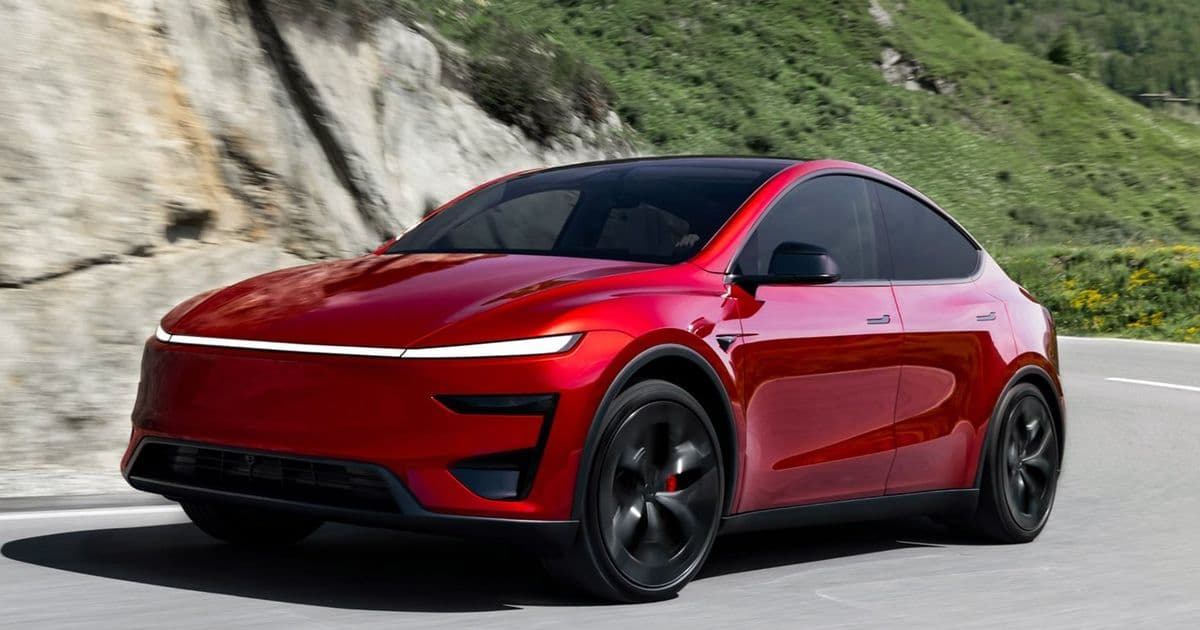
Tesla is moving 4680 battery production from the struggling Cybertruck to the Model Y, addressing previous charging and repairability issues while navigating supply chain challenges.
Tesla is making a significant pivot in its battery strategy, shifting 4680 cell production from the Cybertruck to the Model Y as the electric pickup continues to underperform in the market. This move comes after Tesla's initial attempt to use 4680 batteries in the Model Y faced serious challenges with energy density, charging speeds, and repairability.
The 4680 Battery's Troubled History
The 4680 battery cell was Tesla's ambitious attempt to revolutionize EV battery technology with its larger format and structural integration. However, the first generation of these cells suffered from multiple issues:
- Low energy density compared to expectations
- Poor charging curves that limited fast-charging capabilities
- Structural integration problems that made repairs nearly impossible
When Tesla first introduced the 4680 cells in the Model Y, they used a cell-to-pack design where the battery was integrated into the vehicle's chassis structure. This approach filled the spaces between cells with adhesive, making individual cell replacement impossible and turning battery failures into complete pack replacements.
Why the Cybertruck Shift?
The Cybertruck's disappointing sales performance appears to be the primary driver behind this battery reallocation. Tesla has already discontinued its premium Model S and Model X lines, with sales of these vehicles falling by 50% in 2025. The company is now considering repositioning the Cybertruck as an autonomous workhorse, but until that strategy materializes, the 4680 battery capacity is being redirected.
The Model Y Comeback
Tesla's CFO revealed that engineers are now implementing 4680 cells in "non-structural packs" for certain Model Y variants. This represents a significant improvement over the previous design:
- Repairability: The new approach places 4680 cells in trays within the existing 2170 pack housing
- Modular design: Individual cells can potentially be replaced when they fail
- Supply chain flexibility: Helps Tesla navigate tariff-related challenges
This change addresses one of the biggest criticisms of the original 4680 implementation while potentially improving manufacturing efficiency.
Performance Concerns Remain
Despite the improved design, Tesla acknowledges that 4680 cells still face challenges compared to the proven 2170 cells from Panasonic:
- Thermal inefficiency issues persist
- Charging curve limitations remain a concern
- Energy density improvements are still needed
The company hasn't specified which Model Y variants will receive the 4680 cells, but enthusiasts and reviewers will likely test these vehicles extensively to evaluate charging performance and overall efficiency.
Industry Implications
This strategic shift highlights several important trends in the EV industry:
- The difficulty of battery innovation - Even Tesla struggles with new battery technologies
- Supply chain vulnerabilities - Tariff issues are forcing strategic pivots
- The importance of repairability - Consumer and regulatory pressure is mounting
- Production flexibility - Tesla's ability to pivot between vehicle models demonstrates manufacturing agility
As Tesla continues to refine its battery technology, the success of this 4680 cell reintroduction in the Model Y will be closely watched by the entire EV industry. The company's willingness to acknowledge and address previous shortcomings suggests a more pragmatic approach to battery development moving forward.
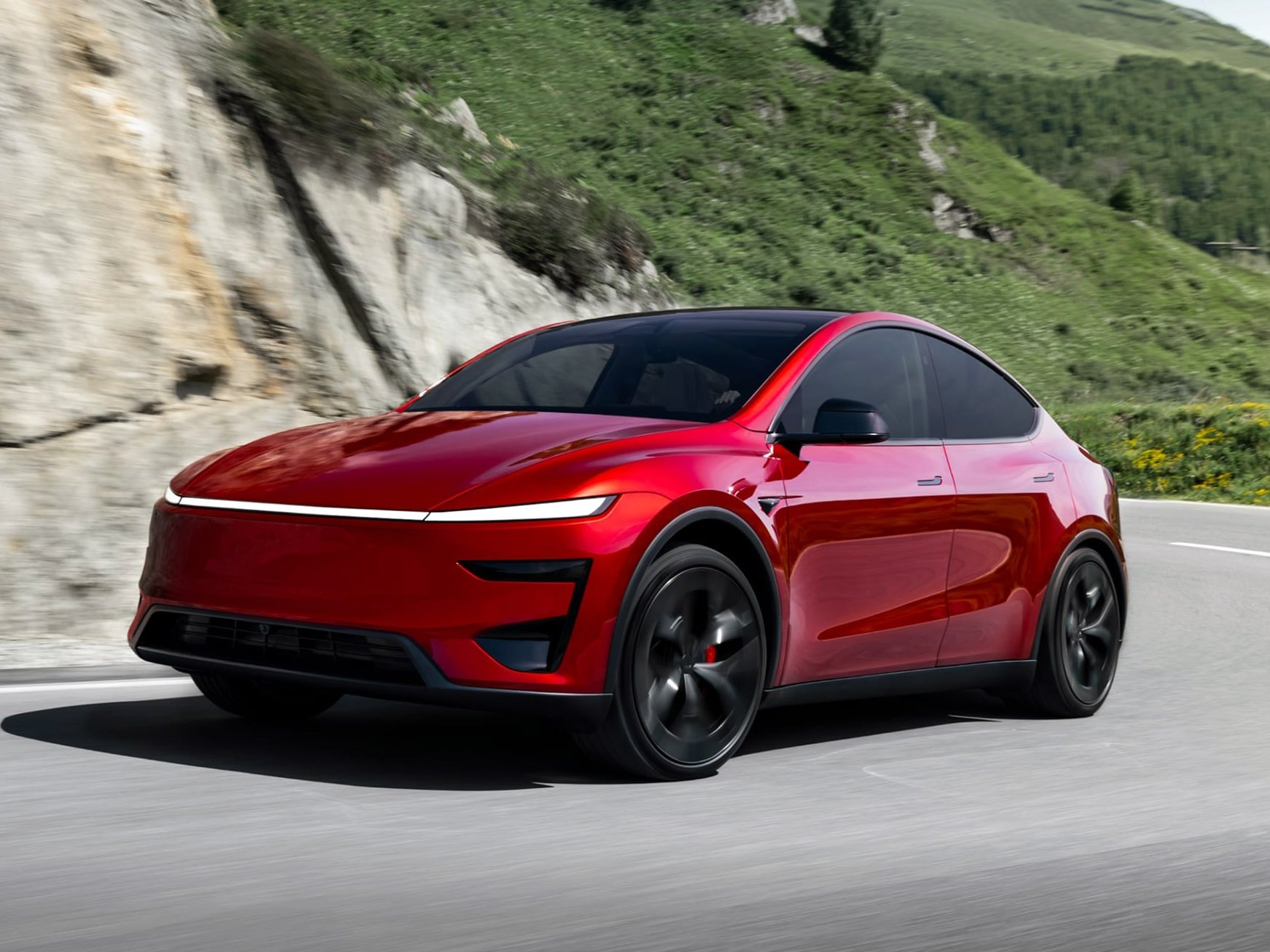
Source: Tesla
Comments
Please log in or register to join the discussion