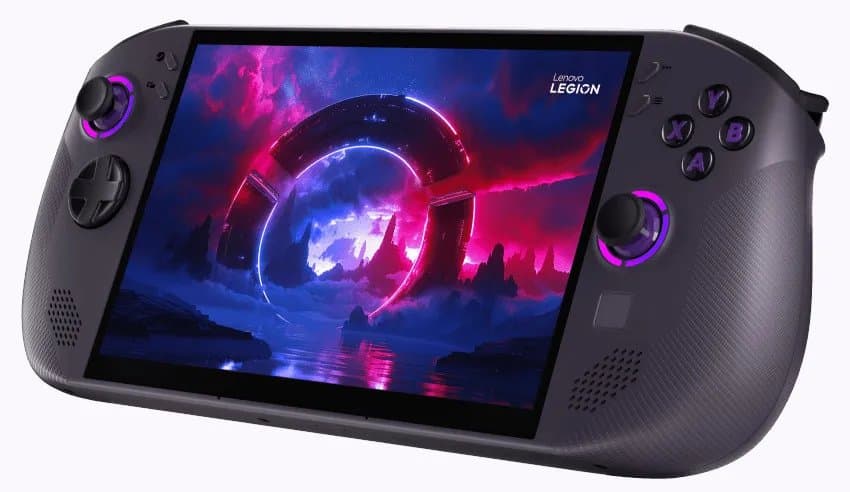
New kernel drivers will unlock full controller customization for Linux Legion Go users
The Lenovo Legion Go gaming handheld is getting enhanced Linux support with new Human Interface Device (HID) drivers set to land in Linux 7.1. The work by Derek Clark has been steadily improving the handheld's compatibility with the open-source operating system, and this latest development represents a significant step forward for Linux gaming enthusiasts using these devices.
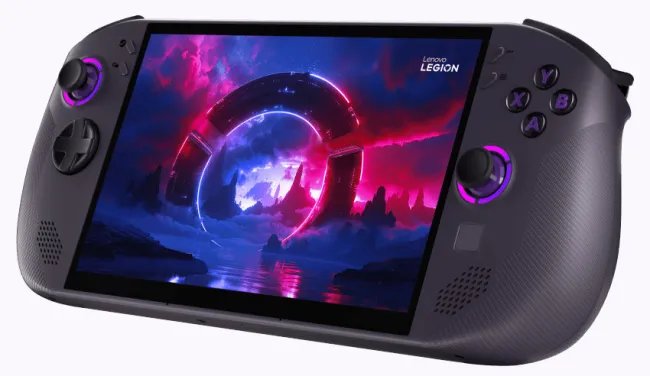
The new drivers consist of two separate modules: the "hid-lenovo-go" driver for the original Legion Go and the "hid-lenovo-go-s" driver for the Legion Go S Series. These drivers provide comprehensive access to the configurable settings of the handheld's controllers, addressing a key limitation that Linux users have faced since the device's release.
Once integrated into the mainline kernel, these HID drivers will expose a wide range of controller features through the Linux sysfs interface. Users will gain access to rumble and haptic feedback settings, allowing for proper vibration control in games. The drivers also provide calibration settings for ensuring accurate input detection, RGB LED controls for customizing the device's lighting, and touchpad attribute adjustments for fine-tuning the trackpad behavior.
The settings are exposed to user-space through two primary interfaces: the LEDs class for lighting controls and the /sys/bus/usb/devices/ interface for USB-specific settings. This approach follows Linux kernel conventions and allows for straightforward integration with existing user-space tools and configuration utilities.
These drivers were merged last week into HID's for-next Git branch, positioning them for inclusion in the Linux 7.1 merge window scheduled for April. The development process has spanned several months, with Clark refining the implementation to meet kernel standards and ensure proper functionality across different use cases.
For Linux users who have been waiting for full Legion Go support, this development removes a significant barrier to adoption. The ability to configure haptic feedback, adjust controller sensitivity, and customize the device's lighting directly within Linux brings the handheld's functionality closer to parity with its Windows counterpart.
This advancement is particularly relevant as Linux gaming continues to grow, with more users seeking alternatives to Windows for their gaming setups. The Legion Go, with its Windows-based architecture, has been an attractive option for Linux users, and these drivers help bridge the remaining functionality gap.
The timing of this release aligns well with the broader Linux gaming ecosystem, which has seen substantial improvements in recent years through projects like Proton and the increasing availability of native Linux games. As handheld gaming PCs become more popular, proper driver support becomes increasingly important for ensuring a quality user experience across different operating systems.
For those interested in testing these drivers before the official Linux 7.1 release, they are available in the HID for-next branch, though users should be aware that pre-release kernel code may contain bugs or instability. The mainline inclusion in Linux 7.1 will provide a stable foundation for Legion Go users running the latest kernel versions.
Comments
Please log in or register to join the discussion