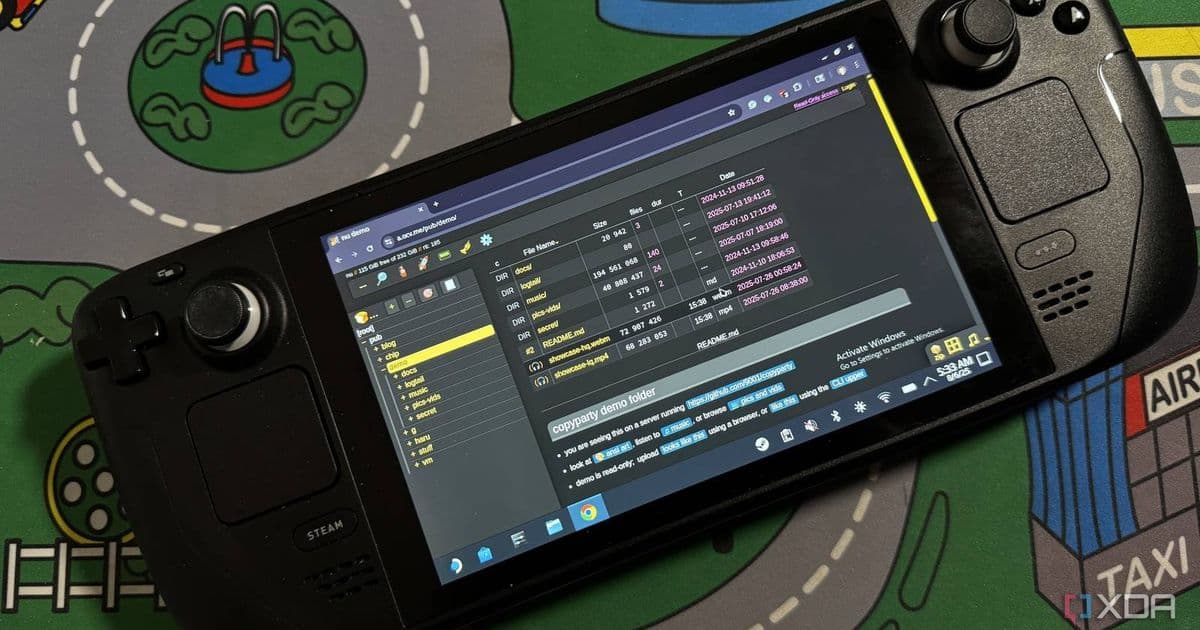
Valve is working to bring back Steam Deck availability despite persistent memory shortages and global supply chain disruptions that continue to impact production timelines.
Valve's portable gaming PC, the Steam Deck, is finally seeing more consistent restocks after months of limited availability. However, the company is navigating a complex landscape of memory shortages and global supply chain issues that continue to impact production and distribution. For mobile developers maintaining cross-platform compatibility, these supply constraints have implications for testing and development workflows.
Current Restock Situation
After a period of scarcity, Steam Decks are becoming more available through Valve's official channels and select retailers. The increased availability comes as Valve has adjusted its production strategy and worked with suppliers to overcome some of the initial bottlenecks that plagued the device's launch.
"We're making progress on increasing Steam Deck availability," said a Valve representative in a recent blog post. "While we're not yet at the point where anyone can order immediately, we're shipping more units each week than we were a few months ago."
The Steam Deck OLED model, released in late 2025, has been particularly sought after, with its improved display and battery life. However, the OLED version uses different memory components than the original model, creating additional supply complexity.
Memory Shortages Persist
The most significant challenge remains memory supply. The Steam Deck uses LPDDR5 memory modules, which have been in high demand across multiple industries including smartphones, tablets, and other portable devices.
"The memory market remains tight," explains industry analyst Mark Johnson. "Consumer electronics companies are all competing for the same memory components, and while production has increased, so has demand. Valve is competing with major smartphone manufacturers who typically have larger standing orders."
Valve has reportedly diversified its memory suppliers and worked with manufacturers to prioritize Steam Deck production in their allocation systems. The company has also adjusted its production schedule to work within available memory supply rather than trying to maximize output at all costs.
Global Supply Chain Disruptions
Beyond memory shortages, Valve continues to navigate broader supply chain challenges that affect the entire electronics industry. These include:
- Shipping delays and increased costs for international freight
- Component shortages beyond memory, including certain display panels and custom chips
- Labor shortages in manufacturing facilities
- Geopolitical tensions affecting trade routes
"The global electronics supply chain remains unpredictable," notes supply chain expert Sarah Chen. "Companies like Valve that can maintain flexible production schedules and strong supplier relationships are better positioned to weather these disruptions."
For developers targeting the Steam Deck, these supply constraints can impact testing schedules. The limited availability of hardware can make it challenging for development teams to acquire multiple units for testing different configurations.
Developer Impact and Cross-Platform Considerations
The Steam Deck's Linux-based SteamOS presents unique opportunities and challenges for developers. While the platform uses standard OpenGL and Vulkan APIs, developers must account for the specific hardware configuration and optimization requirements of the portable form factor.
"Developing for Steam Deck requires a different approach than traditional PC or mobile development," says indie developer Alex Rivera. "The power constraints and smaller display mean you need to optimize differently than you would for a desktop or even a high-end smartphone."
For developers maintaining cross-platform applications, the Steam Deck adds another layer of complexity. The device bridges the gap between mobile and traditional PC gaming, requiring developers to consider touch controls, traditional input methods, and performance optimization for a portable form factor.
Valve has provided extensive documentation and tools for developers targeting Steam Deck, including performance analysis utilities and controller emulation tools. The company has also updated its Steamworks SDK to better support the unique characteristics of the Steam Deck hardware.
Migration Strategies for Existing Projects
For developers looking to bring existing projects to Steam Deck, Valve recommends a phased approach:
- Initial assessment: Evaluate how the application performs on Linux and with Steam's controller API
- Input adaptation: Implement dual support for traditional controls and touch input where appropriate
- Performance optimization: Profile and optimize for the specific power constraints of portable hardware
- Steam integration: Implement Steam-specific features like cloud saves, achievements, and overlay functionality
Valve has also made improvements to its Proton compatibility layer, which allows many Windows games to run on Linux with minimal modification. This has significantly lowered the barrier to entry for developers looking to bring Windows-exclusive titles to Steam Deck.
Future Outlook
Looking ahead, Valve appears committed to increasing Steam Deck availability despite ongoing challenges. The company has indicated that it expects supply to continue improving throughout 2026, though full normalization may take longer.
"We're investing in long-term solutions to improve our supply chain resilience," the Valve representative stated. "This includes working more closely with component manufacturers, adjusting our production schedules based on real-time supply data, and continuing to diversify our supplier base."
For mobile developers, the Steam Deck represents an important emerging platform that bridges mobile and traditional gaming. As availability improves, we can expect to see more developers targeting this unique form factor, potentially leading to new cross-platform development approaches and tools.
The Steam Deck's success also underscores the growing importance of Linux gaming in the broader ecosystem. As Valve continues to invest in the platform, we may see increased support for Linux development tools and improved performance for Linux-based applications across the industry.
Developers can stay updated on Steam Deck availability and development resources through Valve's official Steam Deck developer page and the Steamworks SDK documentation.
Comments
Please log in or register to join the discussion