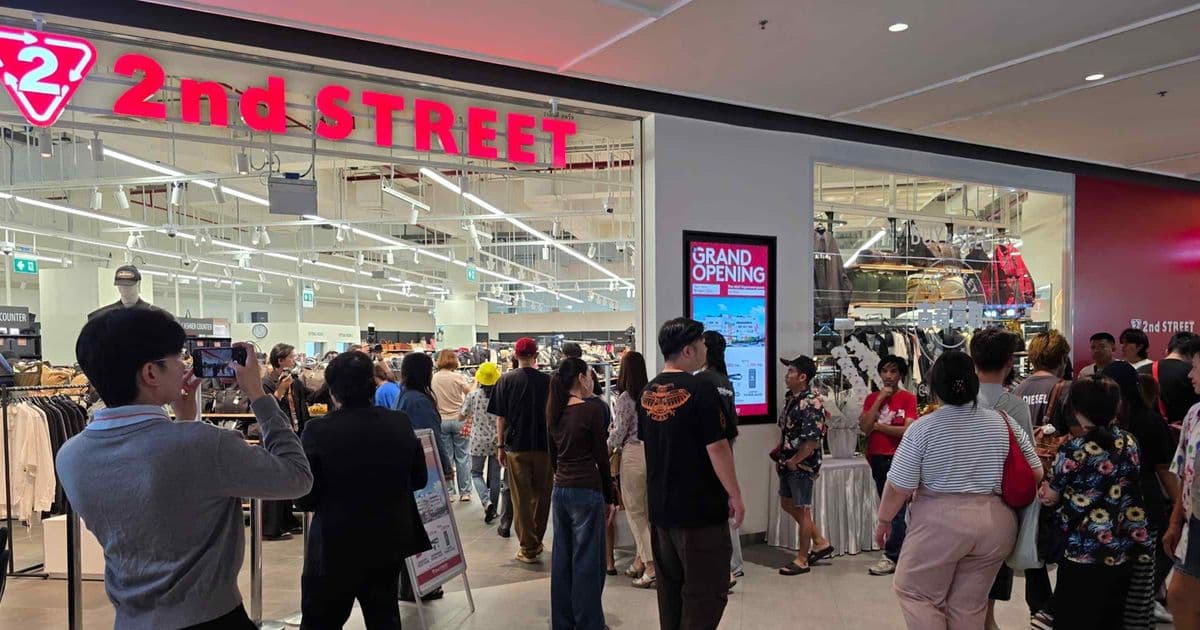
Secondhand fashion chain 2nd Street targets a five‑fold store footprint in Thailand by 2035, betting on a 45% CAGR in local resale sales and leveraging strong consumer demand for affordable, sustainable apparel.
Business news
Japan‑based 2nd Street, the operator of the popular Second Street thrift stores, opened its 10th outlet in Nonthaburi province north of Bangkok in April 2026. The company announced a strategic plan to reach 50 stores in Thailand by 2035, a five‑fold increase from its current footprint. The expansion will be financed through a mix of internal cash flow and a ¥12 billion (≈ $78 million) revolving credit facility secured from a consortium of Japanese banks.
Market context
Thai resale apparel sales have accelerated sharply over the past three years. According to Euromonitor, the sector grew from THB 4.2 billion in 2022 to THB 6.1 billion in 2025, representing a compound annual growth rate (CAGR) of 45%. The surge is driven by three converging trends:
- Price sensitivity – Thailand’s real‑wage growth has stalled at 2.1% YoY, while inflation remains above 4%, prompting consumers to seek lower‑cost alternatives.
- Sustainability awareness – A Nielsen survey shows that 62% of Thai shoppers aged 18‑34 consider environmental impact when buying clothing, up from 38% in 2019.
- Digital‑first discovery – Platforms such as TikTok Shop and Shopee’s “Live Thrift” channels have introduced thrift culture to younger audiences, expanding the addressable market beyond traditional brick‑and‑mortar shoppers.
2nd Street’s parent, Fast Retailing Co., reported ¥1.2 trillion in net sales for FY2025, with overseas operations contributing ¥310 billion (26%). The Thai market now accounts for roughly ¥22 billion of that overseas revenue, a share that the company expects to lift to ¥110 billion once the 50‑store target is met.
What it means
The aggressive rollout signals that Japanese apparel retailers view Southeast Asia, and Thailand in particular, as a growth engine capable of offsetting slowing domestic demand. Several strategic implications emerge:
- Capital efficiency – By using a revolving credit line rather than equity dilution, Fast Retailing can preserve its strong balance sheet (FY2025 net debt‑to‑equity ratio of 0.18) while funding rapid store roll‑outs.
- Supply‑chain adaptation – 2nd Street plans to source 70% of its inventory from local collection points and regional sorting hubs, reducing logistics costs by an estimated 15% compared with importing Japanese‑origin secondhand stock.
- Competitive pressure – The move puts pressure on rivals such as UNIQLO’s GU and home‑grown Thai chains like Pomelo to sharpen their own sustainability narratives and consider resale formats.
- Regulatory risk – Thailand’s recent amendment to the Waste Management Act imposes stricter reporting on textile waste, which could raise compliance costs for thrift operators. 2nd Street’s early investment in traceability technology should give it a compliance edge.
Overall, the expansion reflects a broader shift among Japanese retailers: pivoting from volume‑driven fast fashion toward higher‑margin, sustainability‑linked concepts that resonate with price‑conscious, digitally native consumers.
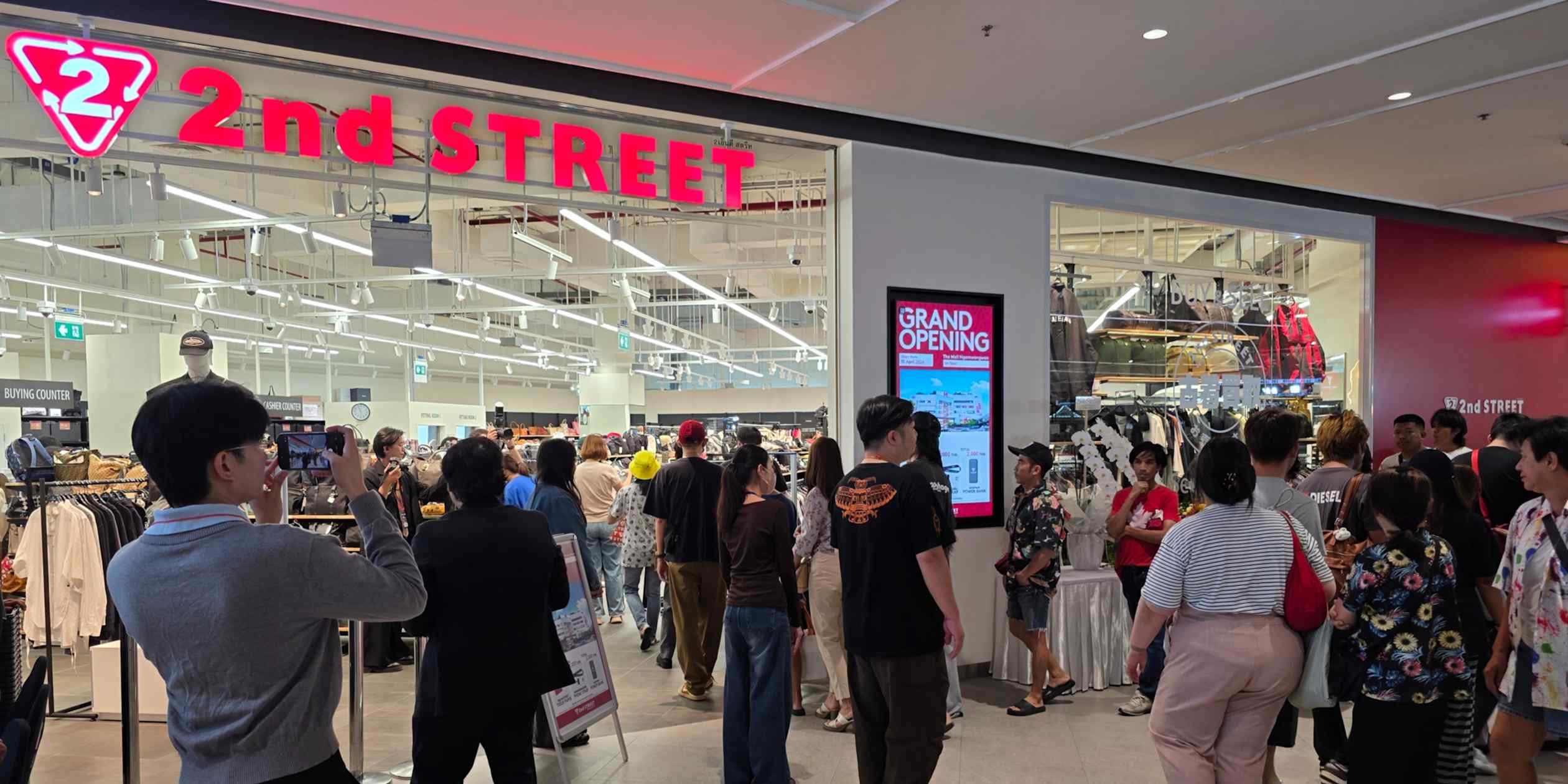
The new Nonthaburi store, the 10th Second Street location in Thailand, opened in April 2026.
Comments
Please log in or register to join the discussion