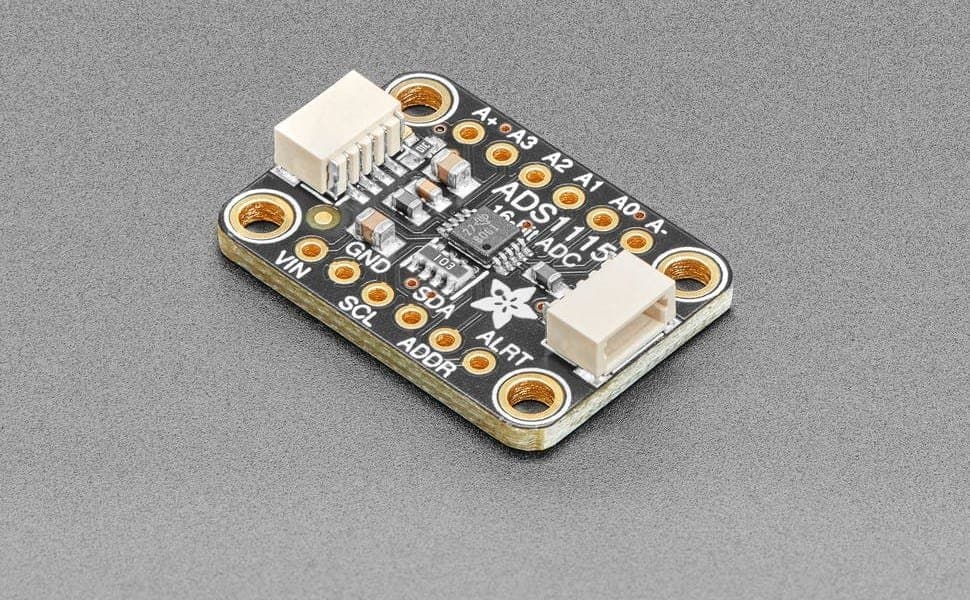
An investigation into suspiciously cheap ADS1115 ADC modules reveals significant deviations from specifications—including timing flaws and voltage inaccuracies—raising alarms about counterfeit electronics in the hobbyist supply chain. While calibration can mitigate some issues, the findings underscore critical risks for embedded developers relying on ultra-low-cost components.
The $2.97 ADC Gamble: When Bargain Hardware Bites Back
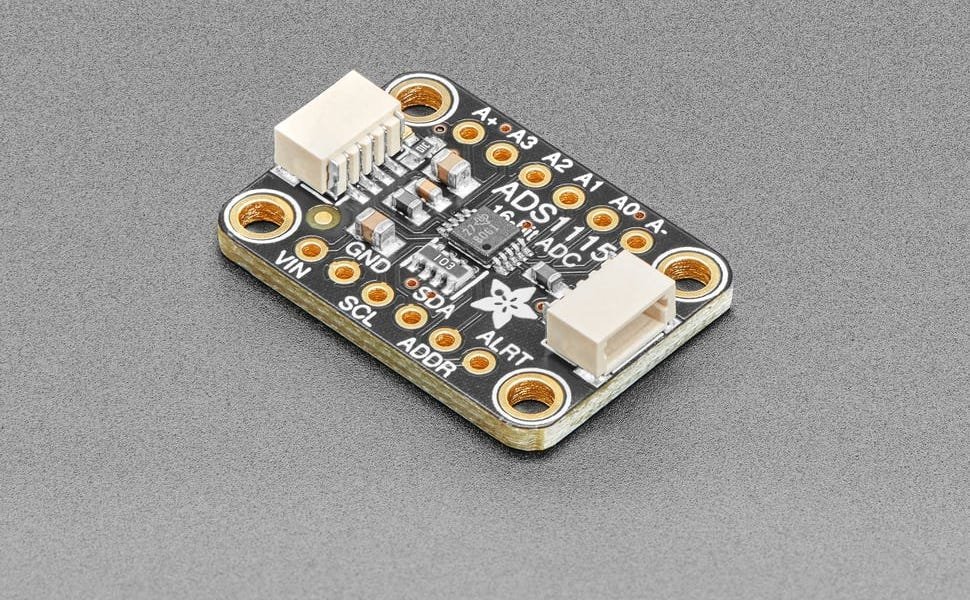
For embedded engineers, Texas Instruments' ADS1115 has long been a go-to solution for precision analog-to-digital conversion. With its 16-bit resolution, programmable gain amplifier (PGA), and internal voltage reference, it promises high-fidelity measurements—especially for low-voltage signals where its ±0.256V range delivers 7.8µV precision per LSB. But when James Bowman spotted ADS1115 breakout boards on Amazon for just $2.97 (a fraction of DigiKey's $4/chip price), skepticism set in. What compromises lurk beneath such radical discounts?
Cracks in the Foundation
Initial tests suggested authenticity: The bargain modules delivered true 16-bit outputs, functional PGA adjustments, and correct polarity handling in differential mode. Yet deeper scrutiny exposed alarming flaws:
- Wildly erratic timing: One unit sampled at 300SPS—over 3x faster than its 860SPS spec—injecting noise and violating TI's ±10% data rate tolerance. Others ran slower than permitted.
- Voltage inaccuracies: A calibrated 2.50067V source read as 2.4883V—a 0.5% error versus TI's claimed 0.15% maximum gain error.
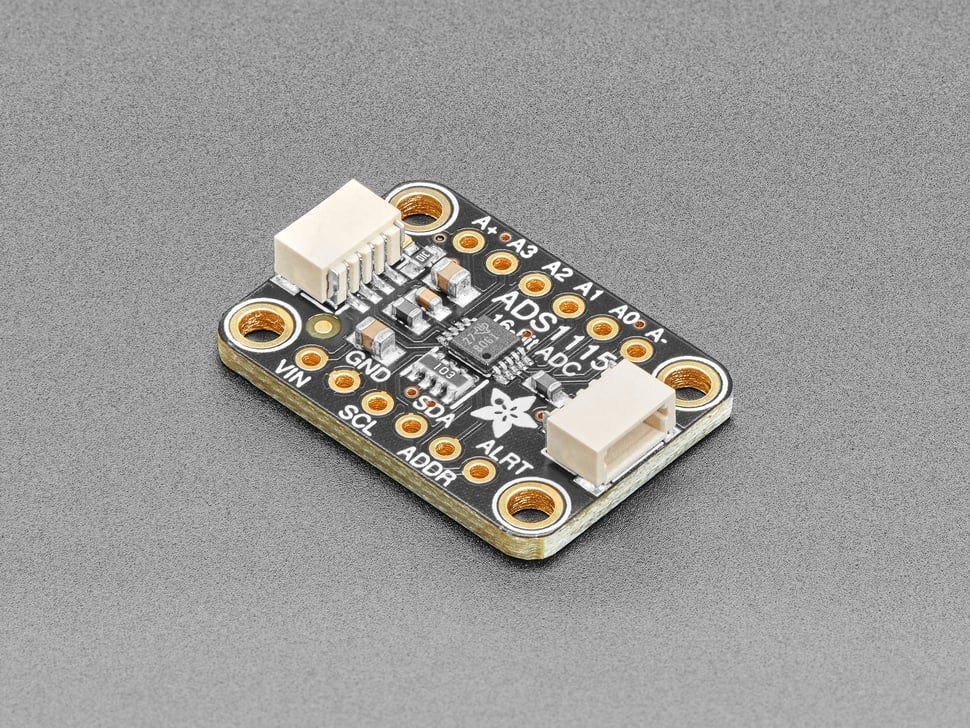 Cheap ADS1115 breakout boards like this one showed inconsistent performance
Salvageable—But at What Cost?
A linear correction calibration resolved voltage inaccuracies to within 10µV, proving the hardware isn't useless. But as Bowman notes: "How many end users would actually notice it’s running faster (and hence noisier) than it’s meant to?"* This highlights the invisible risks—uncaught timing flaws could derail sensor integrations or control systems.
The Hobbyist's Dilemma
The units likely originate from LCSC's $0.60 ADS1115s—either counterfeits or factory rejects. With Adafruit's $12.50 (presumably authentic) module en route for comparison, the experiment underscores a harsh reality: ultra-cheap components carry hidden expenses in validation time and reliability risks. For prototyping? Maybe. For production? Potentially catastrophic.
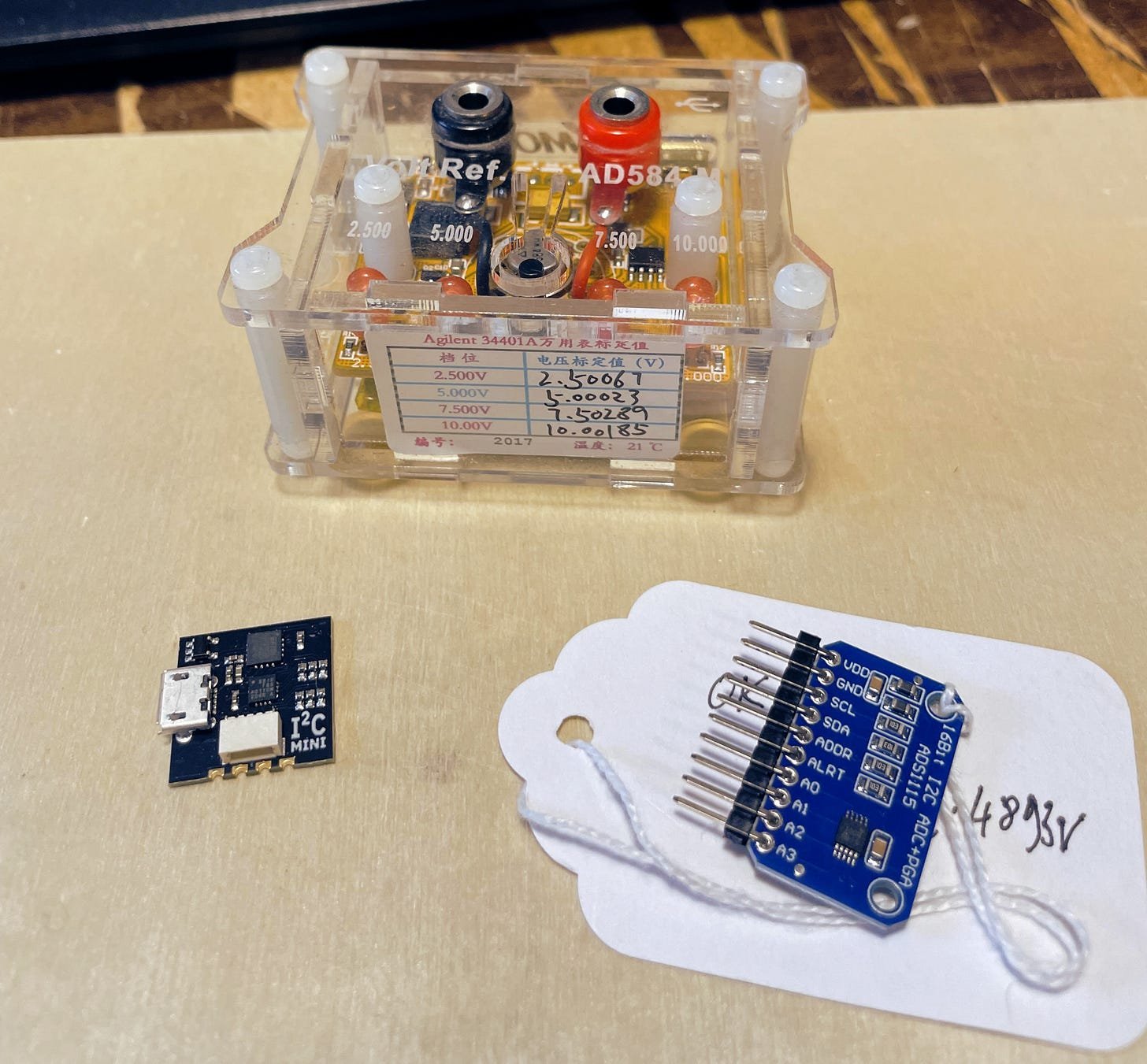
As supply chain opacity grows, Bowman’s probe is a stark reminder: In electronics, price anomalies often signal engineering tradeoffs. When a chip costs less than coffee, skepticism isn't optional—it's essential.
Source: How bad can a $2.97 ADC be? by James Bowman
Comments
Please log in or register to join the discussion