
Generative AI has crossed the adoption chasm with enterprise deployments accelerating globally, triggering $300B+ market shifts and forcing strategic realignments across industries.
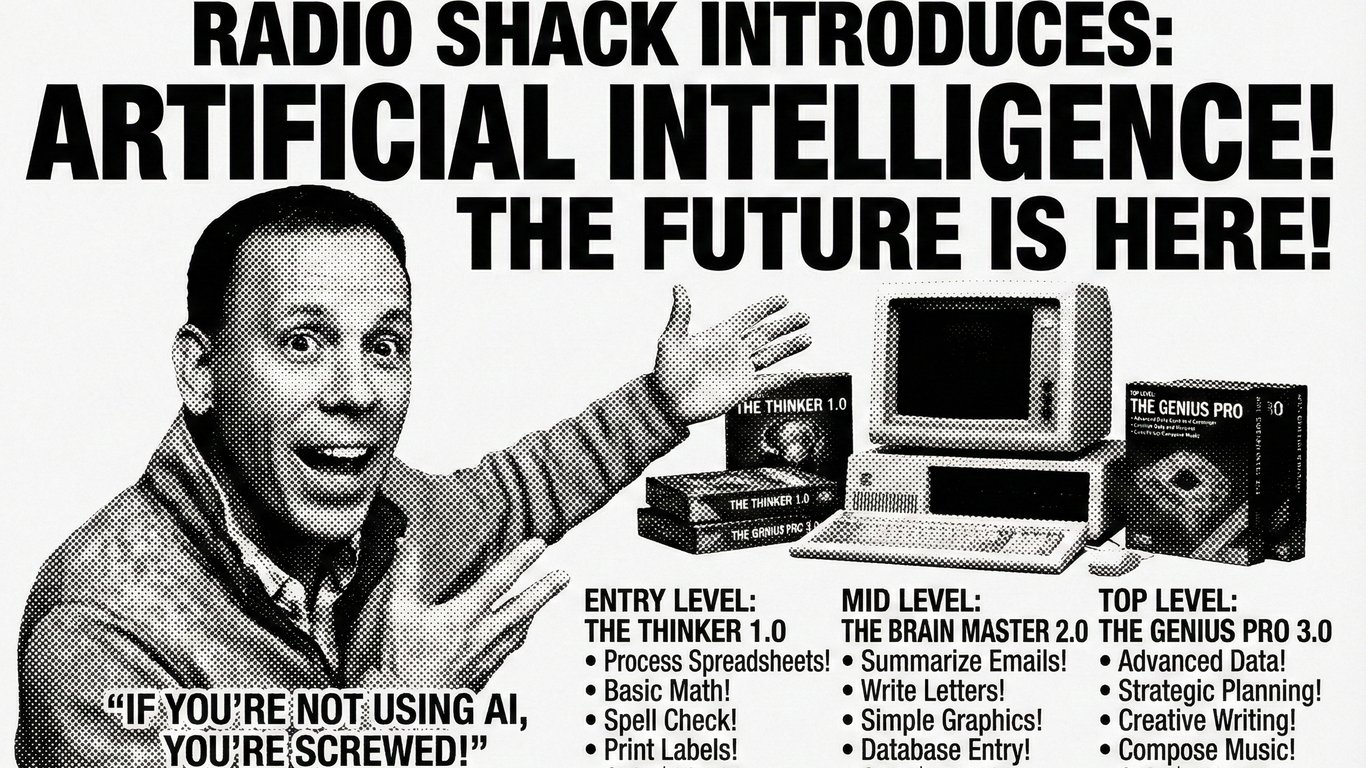
Artificial intelligence has transitioned from experimental technology to core business infrastructure at unprecedented speed. Recent quarterly earnings reveal seismic shifts: Microsoft reported a 31% Azure growth driven by AI services, while Google Cloud's AI revenue surged 63% year-over-year. These figures confirm what industry analysts predicted: we've reached the inflection point where AI capabilities directly impact corporate balance sheets.
Market Acceleration Metrics
- Global AI investment reached $152B in Q1 2024, a 28% YoY increase (IDC)
- Enterprise adoption jumped from 22% to 58% in 18 months across Fortune 500 companies (McKinsey)
- Productivity gains: Early adopters report 17-24% cost reductions in content production and customer service operations (Gartner)
Strategic Imperatives Emerging
Infrastructure Overhaul: Cloud providers are allocating 40-50% of new data center capacity exclusively for AI workloads. Amazon's $150B data center expansion targets GPU clusters optimized for large language models.
Workforce Recalibration: While Goldman Sachs projects AI could displace 300M jobs globally, it simultaneously creates premium roles in prompt engineering ($170k avg salary) and AI governance. Companies like Accenture are retraining 600,000 employees on AI tools.
Competitive Fragmentation: The market is dividing into three distinct tiers:
- Platform dominators (Microsoft/OpenAI, Google, Anthropic) controlling foundation models
- Vertical specialists (Scale AI for autonomous vehicles, Hippocratic AI for healthcare)
- Enterprise enablers (NVIDIA's H100 GPUs, Databricks MosaicML) providing infrastructure
Forward Projections The next phase involves consolidation:
- Expect 30-40% of current AI startups to be acquired by 2026 as enterprises seek to internalize capabilities
- Regulatory frameworks will crystallize around data provenance (EU AI Act) and copyright (NY Times vs OpenAI precedent)
- Hardware innovation remains critical as AI compute demand outpaces supply by 3x (SemiAnalysis)
Companies delaying AI integration face existential risk - analysis shows organizations implementing AI at scale grow revenue 5x faster than laggards. The transformation isn't coming; it's operationalized. Strategic allocation of capital toward AI fluency and infrastructure now determines market position for the next decade.
Key Resources:
- AI Index Report 2024 (Stanford HAI)
- Global AI Adoption Trends (McKinsey)
- Generative AI Economic Potential (McKinsey)
Comments
Please log in or register to join the discussion