
The assassination of Charlie Kirk exposes a chilling nexus between social isolation, algorithmic amplification of extremist content, and real-world violence. Research reveals how 'sedentary leisure alone' among young men, combined with platforms rewarding negativity and out-group animosity, creates a perfect storm for radicalization. This analysis delves into the 'dark laws' of digital engagement and their dire societal consequences.
The assassination of conservative commentator Charlie Kirk wasn't just a political tragedy—it was a digitally orchestrated event steeped in the pathologies of our online age. From the Discord-sourced memes on the killer's bullets to the viral aftermath of polarized outrage, this act underscores a disturbing reality: the internet isn't merely reflecting societal divides; it's actively amplifying them into violence. As Derek Thompson notes in his source analysis, political violence emerges from a 'local weather system' we collectively create. For developers and tech leaders, understanding this system—particularly how algorithms and platform design exacerbate isolation and extremism—is critical to mitigating future harm.
 Photo by Majestic Lukas on Unsplash
The Rise of 'Sedentary Leisure Alone' and Its Digital Quicksand
At the heart of this crisis is the epidemic of isolation among young men. A 2024 University of Maryland study led by Liana Sayer reveals that single men without children spend over four hours daily in 'sedentary leisure alone'—primarily online activities like gaming and social media—far exceeding any other demographic. This isn't just about screen time; it's about substituting physical-world social bonds with digital interactions that lack moderating forces. As Thompson emphasizes, while most isolated individuals don't turn violent, studies consistently link excessive sedentary leisure to poor mental health, creating fertile ground for radicalization when combined with toxic online ecosystems.
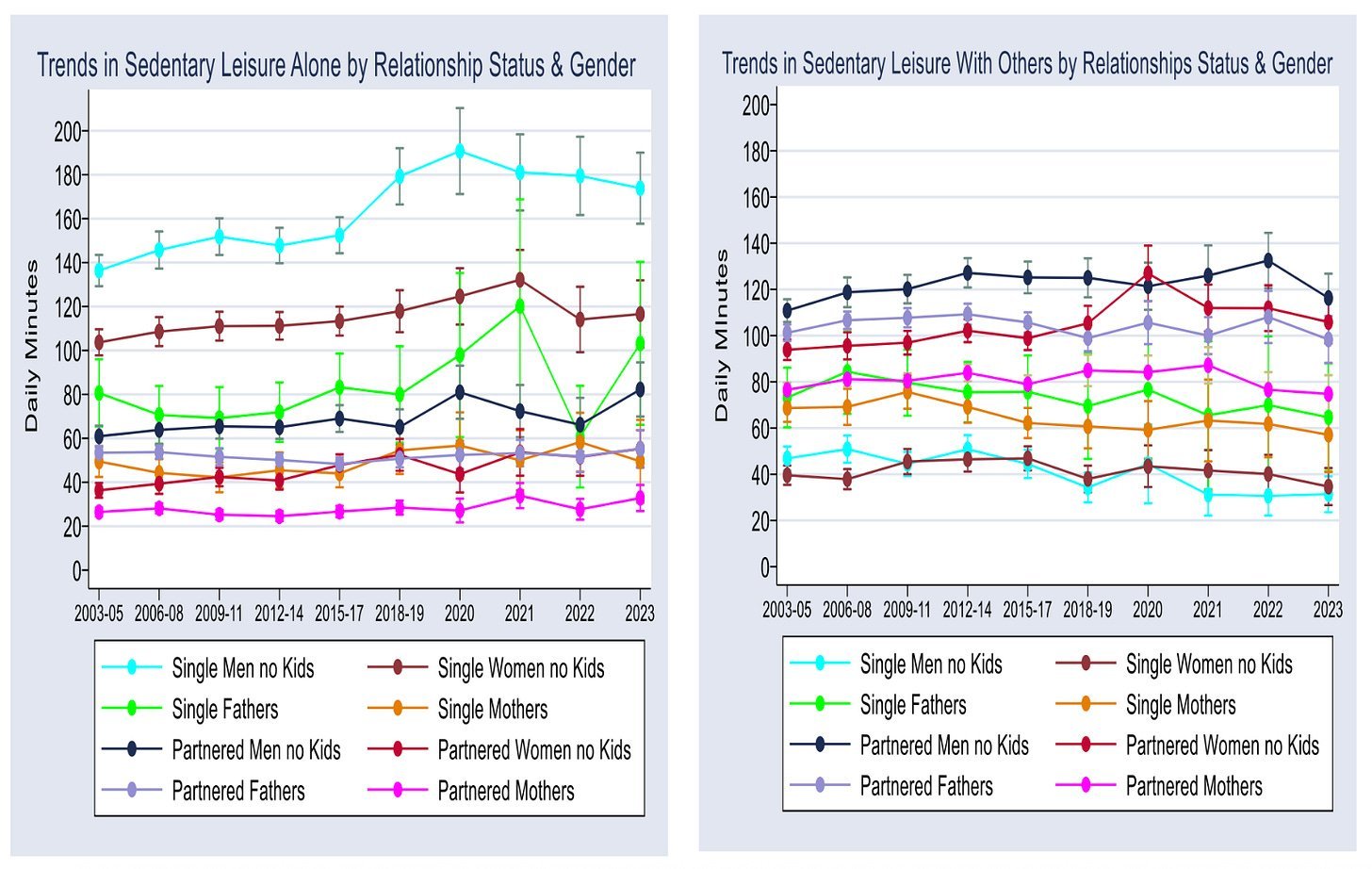 Source: Sayer et al
The 'Dark Laws' of Online Engagement: How Platforms Reward Extremism
When isolated users retreat online, they enter a realm governed by psychological triggers that prioritize engagement over ethics. NYU psychologist Jay Van Bavel's research uncovers four algorithmic realities driving this:
- Negativity bias increases clicks: Each additional negative word in headlines boosts click-through rates by 2+ percentage points, incentivizing outrage.
- Extreme opinions dominate: Just 10% of users generate 97% of political content on platforms like X, with moderation algorithms amplifying the most inflammatory takes.
- Out-group animosity fuels virality: Posts attacking opposing groups are shared twice as often as in-group praise, with derogatory language increasing engagement by 67%.
- Moral-emotional language entrenches echo chambers: High-arousal rhetoric (e.g., 'civil war' cries) spreads rapidly within bubbles but alienates outsiders.
'Online spaces permit rhetorical violence with no immediate threat to moderate our most extreme statements,' Thompson observes. 'The internet allows people to cosplay as militant revolutionaries from the comfort of air-conditioned rooms.'
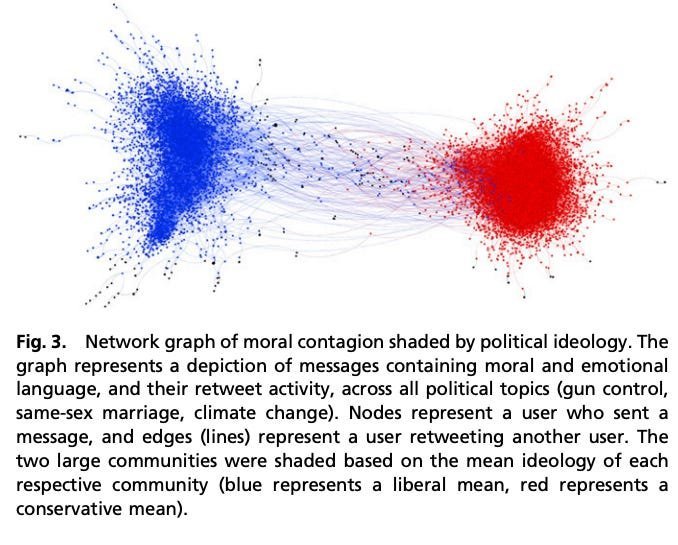 Source: Van Bavel, et al
From Loneliness to 'Need for Chaos': The Path to Salad-Bar Extremism
This digital environment nurtures what Danish researcher Michael Bang Petersen terms the 'need for chaos'—a mindset where socially isolated individuals, craving recognition over connection, embrace destruction as a form of agency. Petersen's studies show these users indiscriminately share anti-elite conspiracies, agreeing with statements like 'just let [institutions] all burn.' The FBI corroborates this shift, labeling modern extremism 'salad-bar' radicalization: isolated individuals stitch together incoherent ideologies from online fragments, driven more by violent impulses than coherent dogma. Examples include attackers like Frank James, whose online presence blended Black nationalism, far-right racism, and nihilism.
Re-Engineering the Digital Climate
For tech professionals, this isn't just a social issue—it's a design challenge. Algorithms optimizing for 'dark law' engagement metrics must be reevaluated to de-emphasize negativity and extremism. Developers can advocate for features that promote nuanced discourse, like weighted feeds favoring constructive dialogue or tools that flag high-arousal language. As Thompson concludes, 'We cannot stop each lightning bolt, and yet we are the weather.' Building a healthier digital ecosystem requires recognizing that every line of code shaping online interaction carries profound real-world responsibility—one that demands urgent, ethical innovation.
Comments
Please log in or register to join the discussion