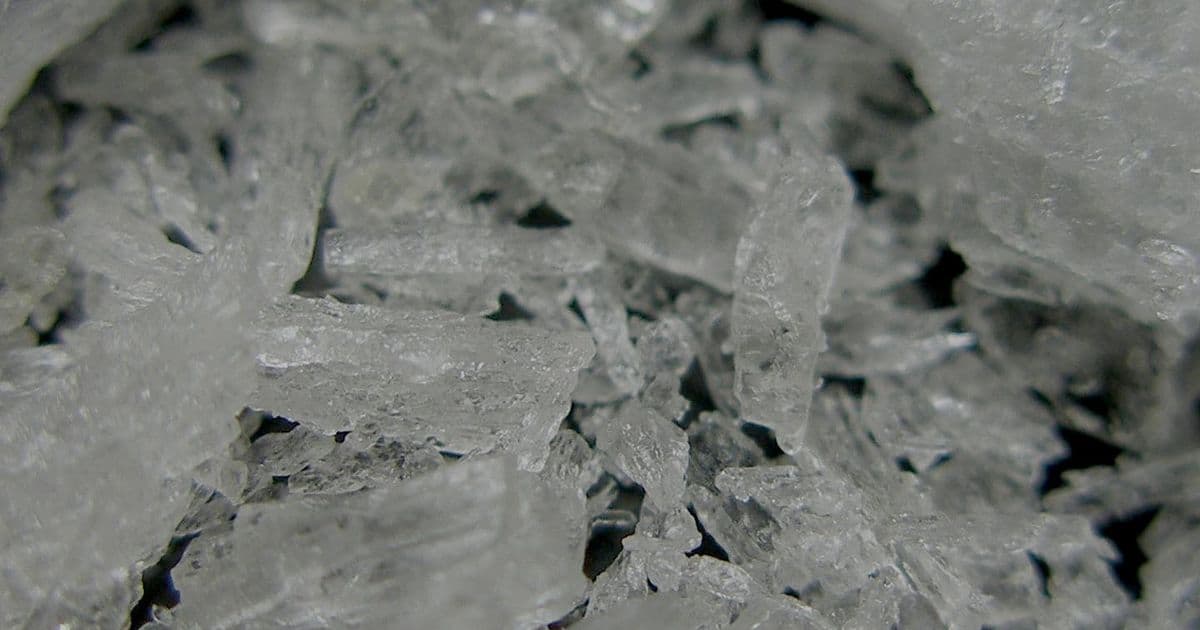
A detailed examination of the differences between traditional ephedrine-based methamphetamine and modern P2P methamphetamine, analyzing chemical composition, purity, production methods, and societal impact. The article finds that while P2P meth has different production characteristics, the primary difference is the vastly increased availability and usage, not necessarily a more sinister chemical composition.
The Chemistry and Impact of P2P Methamphetamine: Quantity Over Quality
Sam Quinones has been discussing methamphetamines and homelessness, suggesting that "old" meth made from ephedrine differed significantly from "new" meth made from Phenylacetone (P2P). He claims that P2P meth is "a very sinister drug" that brings users inside, causing them to isolate themselves and experience bizarre thoughts and conspiracies. This raises important questions: What do we actually know about the chemical differences between these two forms of methamphetamine?
The Shift from Ephedrine to P2P Synthesis
Methamphetamine production in the US underwent a significant transformation between 2009 and 2012. Prior to this shift, meth was primarily made using ephedrine or pseudoephedrine. However, regulatory changes disrupted this production method:
- In 2006, the US banned over-the-counter sales of pseudoephedrine
- In 2008, Mexico banned almost all sales of ephedrine
In response, meth producers shifted to P2P synthesis, which can be produced from various widely available precursor chemicals. The DEA's seizure data clearly shows this transition, with P2P-based synthesis (shown in red) rapidly displacing the older ephedrine-based method (shown in blue) starting around 2009.
Chemical Differences: Isomers and Contaminants
There are two potential ways P2P meth could differ from ephedrine meth:
- Different molecular forms of methamphetamine
- Contamination with other chemicals during production
Isomers: l-meth vs. d-meth
A key chemical difference relates to isomers. Methamphetamine exists in two forms (enantiomers):
- d-methamphetamine (d-meth): The form that increases dopamine in the brain, producing the euphoric effects associated with meth. This is also the form prescribed for ADHD and obesity in the US.
- l-methamphetamine (l-meth): This form has no significant effect on dopamine and is presumably much less psychoactive.
The synthesis method determines which isomers are produced:
- Ephedrine-based synthesis produces only d-meth
- Naive P2P synthesis produces an equal mixture of both d-meth and l-meth
However, analysis of DEA data shows that l-meth content in P2P meth has decreased significantly over time, with modern P2P meth being nearly pure d-meth (around 95% potent by 2019). This makes it unlikely that l-meth is responsible for any increased "sinister" effects of P2P meth.
Interestingly, l-meth is found in various legal products:
- Vicks VapoInhalers contain 50mg of l-meth
- It's also produced as a metabolite of Selegiline, a drug for Parkinson's and depression
Contaminants in Production
The purity of methamphetamine has actually increased with P2P synthesis. DEA data shows that modern street meth is higher quality than ever, with around 95% d-meth on average when considering both purity and potency.
P2P meth can be produced through several different synthesis routes:
- NTS (Nitrostyrene) route: Uses benzaldehyde and nitroethane to produce nitrostyrene, which is then converted to P2P
- PAA (Phenylacetic acid) route: Uses ethyl phenylacetate to make phenylacetic acid, which is then converted to P2P
These synthesis methods have shifted over time:
- Around 2009: EtPA to PAA method was predominant
- Around 2014: Shift toward NTS synthesis
- Around 2018: Shift back toward PAA synthesis
Some have speculated that lead acetate (used in PAA synthesis) might be causing increased psychiatric effects, but the timeline doesn't support this theory. Lead acetate was less prevalent between 2014-2018 when NTS synthesis was dominant, yet reports of negative effects continued.
The Real Difference: Quantity and Availability
While chemical differences between ephedrine and P2P meth exist, the more significant factor appears to be the sheer quantity of meth now available. Multiple data sources confirm this trend:
Border Seizures
UN data shows that methamphetamine seizures at the US-Mexico border have skyrocketed in recent years, indicating dramatically increased supply.
Sewage Analysis
The European Sewage Analysis Core Group measures drug use through biomarkers in wastewater. Seattle participates in this program, and data shows a doubling of meth usage around 2017, after which levels remained consistently high.
Usage Surveys
SAMHSA data reveals that while the number of meth users has increased, the most dramatic growth is in heavy users:
- The number of people using meth daily tripled between 2015 and 2019
- This suggests a shift toward more problematic use patterns
Price Changes
Increased supply should correlate with decreased prices, and this is exactly what we see:
- DEA data shows meth prices declining significantly since 2005
- The Kansas Bureau of Investigation reports a pound of meth dropping from around $15k in 2014 to approximately $4k in 2019
- A California public TV station reported prices falling from $6k to $1k per pound in the same timeframe
Overdose Deaths
Perhaps most concerning is the dramatic increase in methamphetamine overdose deaths:
- From the National Institute on Drug Abuse, overdose deaths involving methamphetamine and other psychostimulants have skyrocketed
- 2020 saw 24,076 deaths, with the trend continuing to accelerate
- While many deaths involve combinations with opioids like fentanyl, a substantial number are meth-only
To put these numbers in context, meth users typically take doses 15× larger than prescribed amphetamine doses (Adderall), with heavy users consuming 300-800mg per day. While it's difficult to overdose on meth alone (estimates suggest an 80kg person would need around 4400mg for a 50% chance of death), the increasing prevalence of polydrug use contributes to the rising death toll.
Conclusions
After examining the evidence, several conclusions emerge:
l-meth is unlikely to be causing increased psychiatric effects: Modern P2P meth is nearly pure d-meth, and l-meth content peaked before reports of increased negative effects began.
Contaminants don't explain the phenomenon: Nearly all meth has been P2P-based since 2012, yet purity has actually increased over time with shifts in production methods.
The primary difference is quantity: All available data—seizures, sewage analysis, usage surveys, prices, and overdose statistics—indicate that vastly more meth is available and being used than in previous eras.
While it's possible that trace contaminants in the remaining 3-5% of non-meth compounds could have significant effects, the evidence strongly suggests that the "sinister" nature of modern methamphetamine is better explained by its unprecedented availability and the resulting increase in heavy use patterns.
As the data clearly shows, quantity has a quality all its own.
Comments
Please log in or register to join the discussion