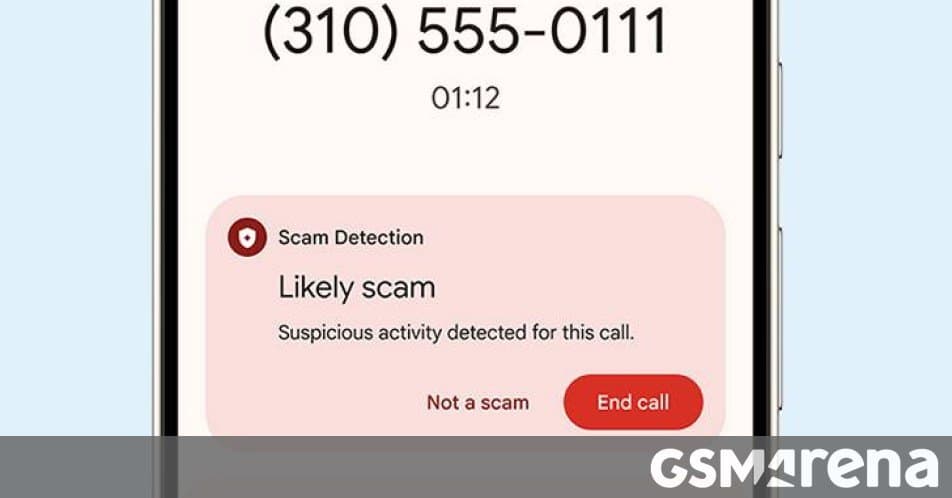
The FCC is proposing stricter Know-Your-Customer rules for carriers, requiring more customer verification and threatening penalties based on the volume of illegal calls that pass through their networks.
For over a decade, spam calls have plagued smartphone users, despite various attempts by tech companies and carriers to mitigate the problem. While Google first introduced spam call warnings in Android back in 2016, and we've seen numerous iterations of anti-spam features since, the issue persists. Now, the Federal Communications Commission (FCC) is taking a more aggressive approach by targeting the root cause: inadequate customer verification by carriers.
The FCC has recently opened a proposal for public comment that would significantly strengthen existing "Know-Your-Customer" (KYC) rules. These regulations currently require carriers to verify their customers and terminate service for those using their networks for illegal activities, including spam calls. However, carriers have largely failed to enforce these requirements effectively, allowing spammers to continue operating with relative impunity.
Under the proposed new rules, carriers would need to implement more stringent verification processes for both new and existing customers when they renew their service. The FCC is considering requiring customers to provide not just their name and address, but also government-issued identification and alternative phone numbers for verification purposes. This multi-layered approach would make it significantly more difficult for spammers to obtain and maintain phone lines under false pretenses.
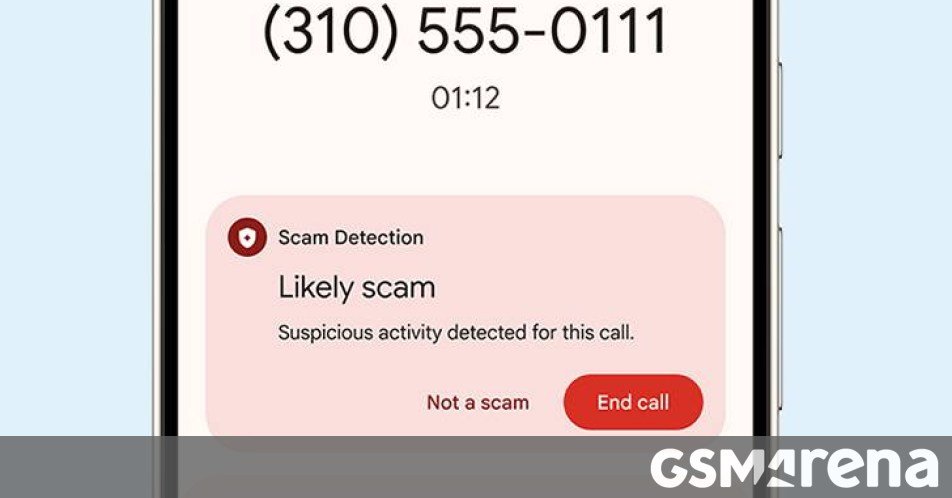
Perhaps more impactful is the FCC's proposal to establish a penalty system tied directly to the number of illegal calls that carriers allow to pass through their networks. The Commission explicitly states that penalties should be "in line with the harm caused by callers," suggesting that carriers with higher volumes of spam calls would face stiffer consequences. This creates a direct financial incentive for carriers to invest more heavily in call authentication and blocking technologies.
The FCC's proposal recognizes that preventing spammers from obtaining phone numbers is only part of the solution. The Commission is also calling for carriers to actively block any spam calls they detect, rather than merely relying on post-facto customer termination. Additionally, carriers would be required to provide more detailed information about incoming calls to help consumers identify potential spam before answering. This aligns with existing technologies like STIR/SHAKEN (Secure Telephone Identity Revisited/Signature-based Handling of Asserted information using Tokens), which helps authenticate caller ID information to prevent spoofing.
Google has been investing heavily in artificial intelligence to combat spam calls, developing sophisticated algorithms that can identify and flag suspicious numbers based on calling patterns, user reports, and other data points. While these approaches have had some success, they operate at the device level rather than preventing spam calls at the source. The FCC's proposal would shift the burden of prevention from individual users to the carriers themselves.
The timing of this proposal is particularly relevant as carriers continue to roll out their own anti-spam features. For example, T-Mobile has implemented its "Un-Carrier" initiative focused on reducing spam calls, while Samsung has added voice phishing detection to its One UI 8 phone app. These efforts, while valuable, have been largely reactive rather than preventive.
Carriers will likely push back against the increased regulatory burden, arguing that stricter verification requirements could create friction for legitimate customers and potentially slow down the activation process. However, given the persistent and costly nature of the spam call problem – which not only annoys consumers but also facilitates fraud and scams – the FCC appears determined to force carriers to take more responsibility.
The public comment period will allow industry stakeholders, consumer advocates, and ordinary citizens to provide feedback on the proposed rules. After considering these comments, the FCC will finalize the regulations, which could go into effect as early as next year if approved. For consumers, this could mean fewer spam calls and better protection against phone-based scams, but the ultimate effectiveness will depend on how vigorously the FCC enforces these new rules once they're implemented.
For those interested in following the development of these regulations, the official FCC proposal document provides detailed information on the proposed changes and the reasoning behind them. Additionally, the FCC's consumer guide to avoiding unwanted calls offers practical advice for protecting oneself in the meantime.
Comments
Please log in or register to join the discussion