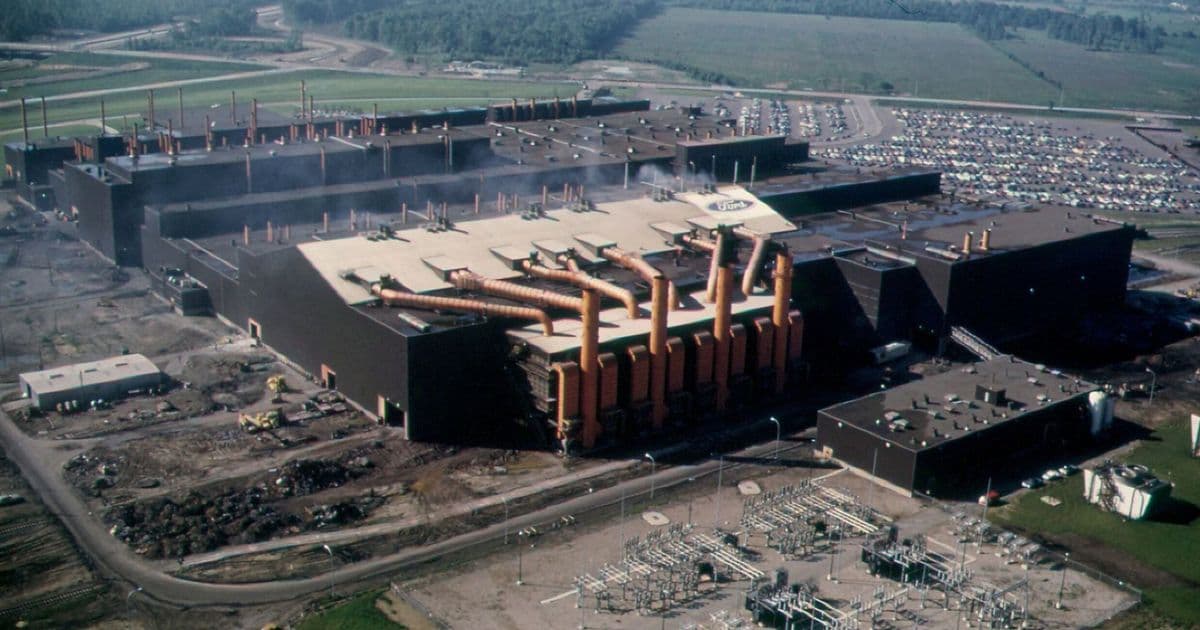
On January 25, 1979, 25-year-old Robert Williams became the first person killed by a robot when a casting arm at Ford's Flat Rock plant struck him, leading to a landmark $10 million lawsuit and establishing new safety protocols for industrial automation.
On January 25, 1979, a tragedy at Ford Motor Company's casting plant in Flat Rock, Michigan, marked a grim milestone in industrial automation. Robert Williams, a 25-year-old factory worker, became the first human fatality directly caused by a robot—a mechanical arm that swung into him while he performed his duties. The incident, now widely regarded as the first documented case of a robot killing a human, would take three and a half years to resolve through litigation, culminating in a record-setting $10 million compensation payout and fundamentally altering how manufacturers approached human-robot interaction in factory environments.
The Incident: A Routine Task Turned Fatal
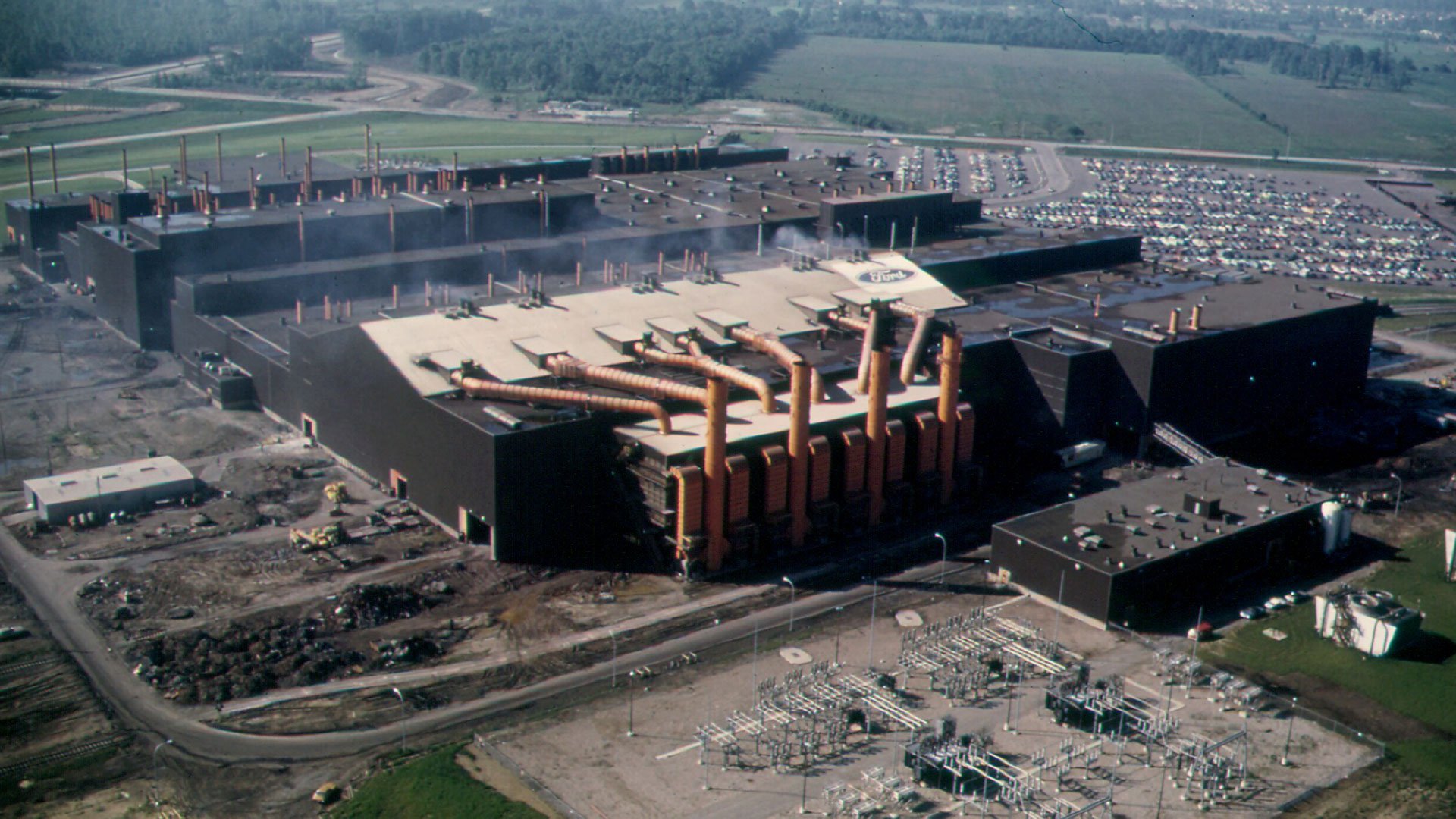
The accident occurred during a standard shift at Ford's casting facility, where robotic arms were responsible for moving heavy castings between storage shelves and production lines. According to contemporary reports from the New York Times, Williams was asked by a fellow production team member to climb up to a shelf where castings were stored by robotic arms. The request stemmed from the robot reporting "what seemed like erroneous information on the number of parts on the shelves."
The robotic system in question was a one-ton cart unit designed to place castings onto shelves five stories high and retrieve them as needed. While Williams was accessing the shelf area, the robotic arm unexpectedly swung into motion, striking him directly on the head. Multiple accounts of the incident confirm that Williams died instantly from the impact. The robot's movement was not malicious or intentional—it was a mechanical failure in what was likely a combination of sensor error, programming oversight, and inadequate safety protocols that failed to account for human presence in the robot's operational zone.
The Legal Aftermath: Setting a Precedent
The Williams family's pursuit of justice took years, but the outcome was unprecedented. After a lengthy court case, they were awarded $10 million in compensation—the largest such payout in Michigan's history at the time. The case established critical legal principles regarding employer liability for automation-related accidents.
The attorney representing the Williams family delivered a prescient warning to the court: "we have to be very careful that we don't go backwards to the kind of notions we had during the industrial revolution that people are expendable." This statement highlighted the tension between technological progress and worker safety, a debate that continues today as automation expands into new sectors.
The lawsuit forced Ford and other manufacturers to re-evaluate their approach to industrial robotics. Prior to this incident, robots were often viewed as tools that operated independently of human workers, with minimal consideration for safety interlocks or collision detection. The Williams case demonstrated that without proper safeguards, these machines could pose lethal risks.
Technical Context: Industrial Robotics in 1979
To understand the significance of this incident, it's important to consider the state of industrial robotics in the late 1970s. The first industrial robot, the Unimate, had been installed at a General Motors plant in 1961, but by 1979, the technology was still relatively primitive by modern standards.
Robots of that era typically operated using:
- Limited sensor arrays - Most robots relied on basic limit switches and position sensors rather than the sophisticated vision systems and proximity sensors common today
- Simple programming - Robots followed pre-programmed paths with minimal ability to detect unexpected obstacles
- Minimal safety integration - Unlike modern systems with emergency stops, light curtains, and safety-rated controllers, 1970s robots often had basic emergency stop buttons that required human intervention
- No collaborative capabilities - The concept of "cobots" (collaborative robots) that can safely work alongside humans didn't emerge until the 1990s
The robot that killed Williams was likely a hydraulic or electric arm mounted on a mobile cart, similar to the early models used in automotive casting operations. These systems were powerful and precise but lacked the sophisticated safety features that would become standard in subsequent decades.
The Ripple Effect: Changing Industrial Safety Standards
The Williams tragedy catalyzed significant changes in industrial safety regulations and practices:
Immediate Changes
- Enhanced safety interlocks: Manufacturers began implementing more robust safety systems, including light curtains that would stop robot motion when human presence was detected
- Improved training protocols: Workers received better training on robot operational zones and safety procedures
- Redesigned workspaces: Facilities began physically separating human work areas from robot operational zones
Long-Term Regulatory Impact
The incident contributed to the development of more comprehensive safety standards. While the Occupational Safety and Health Administration (OSHA) had been established in 1970, the Williams case highlighted gaps in its application to emerging automation technologies. This led to:
- More specific guidelines for robot safety in manufacturing
- The development of standards by organizations like the Robotic Industries Association (now the Association for Advancing Automation)
- International standards like ISO 10218 (Robots and robotic devices) that would later be adopted globally
Subsequent Incidents and Evolving Risks
Unfortunately, Williams was not the last person to be killed by an industrial robot. Since 1979, there have been several other documented fatalities involving industrial robots, including:
- 1981: A worker in Japan was killed by a robot at a die-casting facility
- 1989: A technician in the United States was crushed by a robot at an automotive plant
- 2015: A technician in Michigan was killed by a robot at a parts manufacturer
Each incident has led to incremental improvements in safety technology and protocols. Modern industrial robots now typically include:
- Multiple redundant safety systems including emergency stops, safety-rated controllers, and dual-channel monitoring
- Advanced sensing capabilities using laser scanners, vision systems, and force sensors to detect human presence
- Collaborative robot designs that limit force and speed when humans are nearby
- Comprehensive risk assessments required before robot installation
Modern Context: From Factory Floors to Autonomous Systems
As we approach the 50th anniversary of the Williams tragedy, the landscape of robotics and automation has transformed dramatically. Industrial robots have become more sophisticated, safer, and more widespread, but new challenges have emerged.
Current State of Industrial Robotics
Modern manufacturing facilities use robots that are orders of magnitude more advanced than those in 1979:
- Vision-guided robots that can identify and adapt to changing environments
- Force-sensing capabilities that allow for delicate operations and collision detection
- Machine learning integration that enables robots to optimize their own movements
- Cloud connectivity for remote monitoring and predictive maintenance
Despite these advances, the fundamental safety challenge remains: ensuring that powerful, fast-moving machines operate safely around human workers. The automotive industry, where Williams worked, continues to be a major adopter of robotics, with modern assembly lines featuring hundreds of robots working in coordinated systems.
Beyond the Factory: New Frontiers of Risk
The conversation around robot safety has expanded beyond manufacturing floors. Today, we see:
Autonomous Vehicles: Self-driving cars and trucks represent a new category of autonomous systems that operate in public spaces. While not traditional robots, they share similar challenges regarding sensor reliability, decision-making algorithms, and safety in unpredictable environments.
Delivery Drones: Companies like Amazon and Wing have developed autonomous delivery drones that navigate urban and suburban areas. These systems must avoid not only each other but also people, animals, and obstacles in three-dimensional space.
Military Applications: The development of autonomous weapons systems and combat drones raises ethical questions about machine decision-making in lethal situations. Unlike factory robots, these systems are designed to operate in environments where their primary function involves potential harm.
Service Robots: From hospital delivery robots to warehouse fulfillment systems, robots are increasingly operating in spaces shared with humans, requiring new safety paradigms.
Lessons from History: Balancing Progress and Protection
The Williams tragedy offers several enduring lessons for the robotics industry:
1. Technology Outpaces Regulation
In 1979, industrial robots were advancing faster than safety standards could adapt. This pattern repeats today with autonomous vehicles, drones, and AI systems. Proactive safety development must accompany technological innovation.
2. Human Factors Matter
The Williams incident involved a human worker performing a task that the robot system couldn't handle properly. This highlights the importance of designing systems that account for human behavior and error, not just technical specifications.
3. Cost-Benefit Analysis Must Include Safety
The $10 million settlement in 1979 was unprecedented, but it paled in comparison to the human cost. Modern companies must recognize that investing in safety technology is not just a regulatory requirement but a fundamental business and ethical obligation.
4. Transparency and Learning
The Williams case was well-documented and analyzed, contributing to industry-wide safety improvements. Today's robotics industry must maintain similar transparency about incidents and near-misses to drive continuous improvement.
Looking Forward: The Next 50 Years
As we reflect on this anniversary, the robotics industry stands at another inflection point. Artificial intelligence is enabling robots to make more complex decisions, while the proliferation of autonomous systems in public spaces creates new safety challenges.

The automotive industry where Williams worked continues to be a leader in robotics adoption. Modern automotive plants feature sophisticated robotic systems that work alongside humans in collaborative arrangements—something unimaginable in 1979. However, as automation expands into new sectors like agriculture, construction, and healthcare, the lessons from the Williams case remain relevant.
The fundamental question remains: how do we harness the productivity benefits of automation while ensuring that human safety remains paramount? The answer likely lies in continued innovation in safety technology, comprehensive risk assessment methodologies, and a culture that prioritizes safety over speed or cost savings.
Robert Williams' death was a tragedy that should never have occurred, but the changes it prompted have undoubtedly saved countless lives in the decades since. As we continue to push the boundaries of what robots can do, we must never forget the human cost of technological progress and the responsibility we have to protect workers in an increasingly automated world.
For those interested in learning more about industrial robot safety standards and best practices, the Association for Advancing Automation provides extensive resources, and the Occupational Safety and Health Administration offers guidelines for safe robot implementation in workplaces.
Comments
Please log in or register to join the discussion