Driven by privacy concerns and system instability, more users are abandoning Windows 11 for Linux. This deep dive explores the real-world experience of switching, from distribution choices to smartphone integration challenges, revealing why the trade-offs are worth it for many.
A noticeable shift is occurring across desktop computing landscapes. What began as whispers in developer forums has grown into a measurable migration: users abandoning Windows 11 entirely for Linux distributions. This trend isn't confined to tech enthusiasts; it's reaching mainstream users frustrated by Microsoft's approach to data collection and system stability. The motivations are consistent – telemetry fatigue and unpredictable performance – but the journey reveals both Linux's strengths and its very real learning curve.
The Breaking Point: Windows 11's Twin Troubles

For many, the decision stems from two core frustrations with Windows 11. First, its pervasive telemetry feels increasingly invasive. The operating system collects extensive hardware data, application usage patterns, and user behaviour metrics, often without clear opt-out mechanisms. Features like Copilot, positioned as AI assistance, amplify these concerns by design. Second, stability remains elusive. Users report frequent crashes, forced updates introducing new bugs, and a disjointed settings experience where multiple control panels handle the same functions without coordination. As one convert noted, experiencing 2-3 full system crashes weekly on capable hardware (Ryzen 7 6800H, 32GB RAM) became untenable.
Choosing the Linux Path: Distros, Differences, and Decisions

The leap to Linux requires navigating its diverse ecosystem. Initial alternatives like macOS offer polish but hardware limitations and restrictive environments. Linux, promising broad hardware support and software freedom, becomes the logical choice. However, the sheer variety of distributions (distros) presents its own challenge. While core functionality remains consistent across major distros, differences in package management, default software, and system initialization matter deeply.
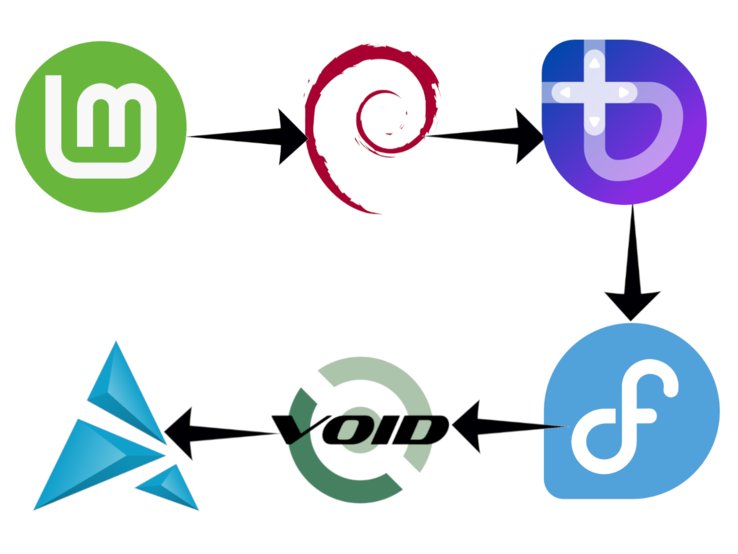
Beginners often gravitate towards 'just works' options like Linux Mint, praised for out-of-the-box driver support and pre-installed applications. Yet, others seek more control and minimalism. After trialing Debian (solid for work machines), Fedora, Bazzite, and Void (noted for sparse repositories), many land on Arch-based systems like Artix Linux. Artix offers Arch's vast software availability via the Arch User Repository (AUR) while replacing the systemd init system for potentially faster boot times and lighter resource use. The trade-off? Less pre-configured convenience.
Navigating the Rough Terrain: Drivers, Desktop Environments, and Device Quirks
Adoption isn't without friction. Hardware compatibility, particularly with Apple devices, remains a hurdle. Installing Artix on a MacBook Air required manually fetching Broadcom Wi-Fi drivers via a wired connection – a solvable but frustrating initial barrier. Desktop environments introduce another layer: attempting to install KDE Plasma led to graphical glitches and a vanished network indicator, necessitating terminal commands to reconfigure network managers – a process demanding forum diving and manual edits.
Software gaps exist. Not all Windows applications have direct Linux equivalents (e.g., Greenshot, uMark), forcing workflow adjustments. Game compatibility, while strong via Steam Proton, isn't universal; titles like Civilization III required workarounds via Lutris. Surprisingly, iPhone integration proved smoother than expected using KDE's Dolphin file manager, bypassing iTunes entirely for direct file access – a notable advantage over Windows.
Why the Hassle is Worth It: Control, Stability, and Rediscovered Joy
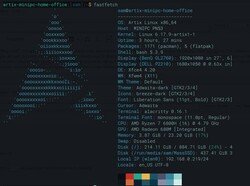
Despite the challenges, converts cite compelling benefits. System stability is paramount; crashes plaguing Windows installations vanish. Performance often improves due to lighter resource demands, allowing older hardware like a 2014 MacBook Air to remain viable. Customization is unparalleled – from granular desktop tweaks in XFCE to system monitors like Conky – enabling users to tailor their environment precisely. Package management simplifies software handling, and transferring configurations between machines becomes trivial.
The most resonant benefit, however, is intangible: engagement. Users report rediscovering enjoyment in computing. The ability to troubleshoot, customize deeply, and understand the system fosters a sense of ownership and capability absent in more locked-down environments. While distributions like Mint offer near-instant usability, the flexibility to choose a distro matching one's technical appetite – from beginner-friendly to highly hands-on – is Linux's core strength.
The Verdict: A Viable Alternative Demanding Investment
The migration from Windows 11 to Linux is a reaction to specific frustrations, but it requires commitment. Success hinges on selecting an appropriate distro and accepting a learning curve for troubleshooting. For users valuing privacy, system control, stability, and the satisfaction of mastering their tools, Linux offers a compelling and increasingly mature alternative. While not effortless, the growing exodus suggests the payoff – a stable, private, and deeply personalized computing experience – is worth the journey for many. As Windows continues its current trajectory, this trend shows no sign of slowing.
Relevant Links:
Comments
Please log in or register to join the discussion