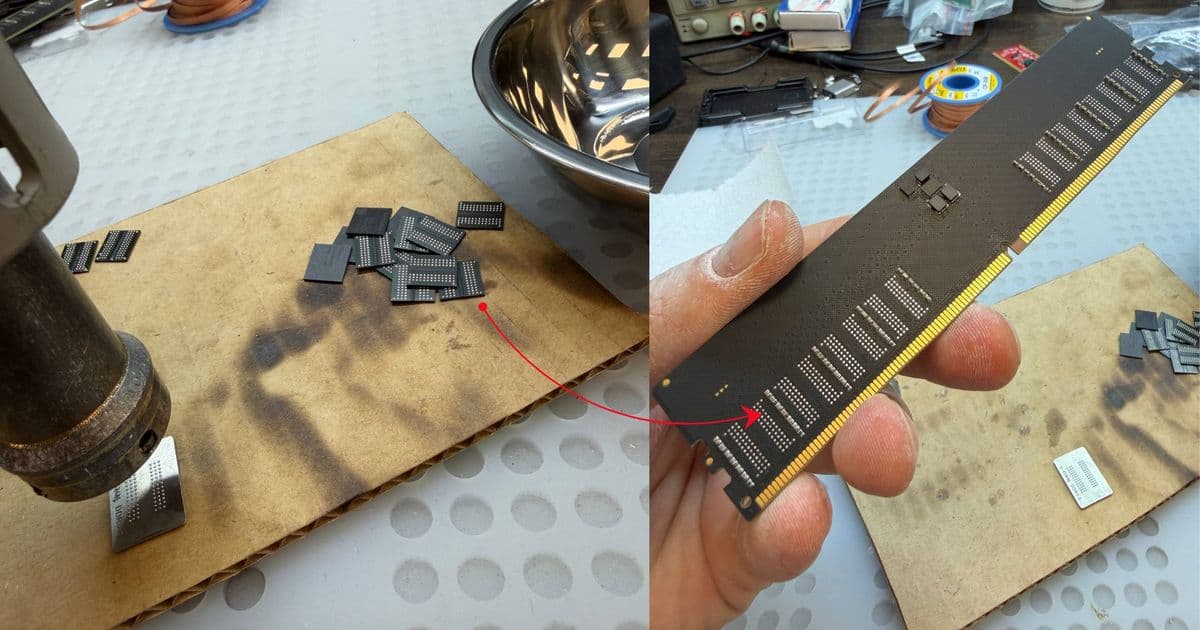
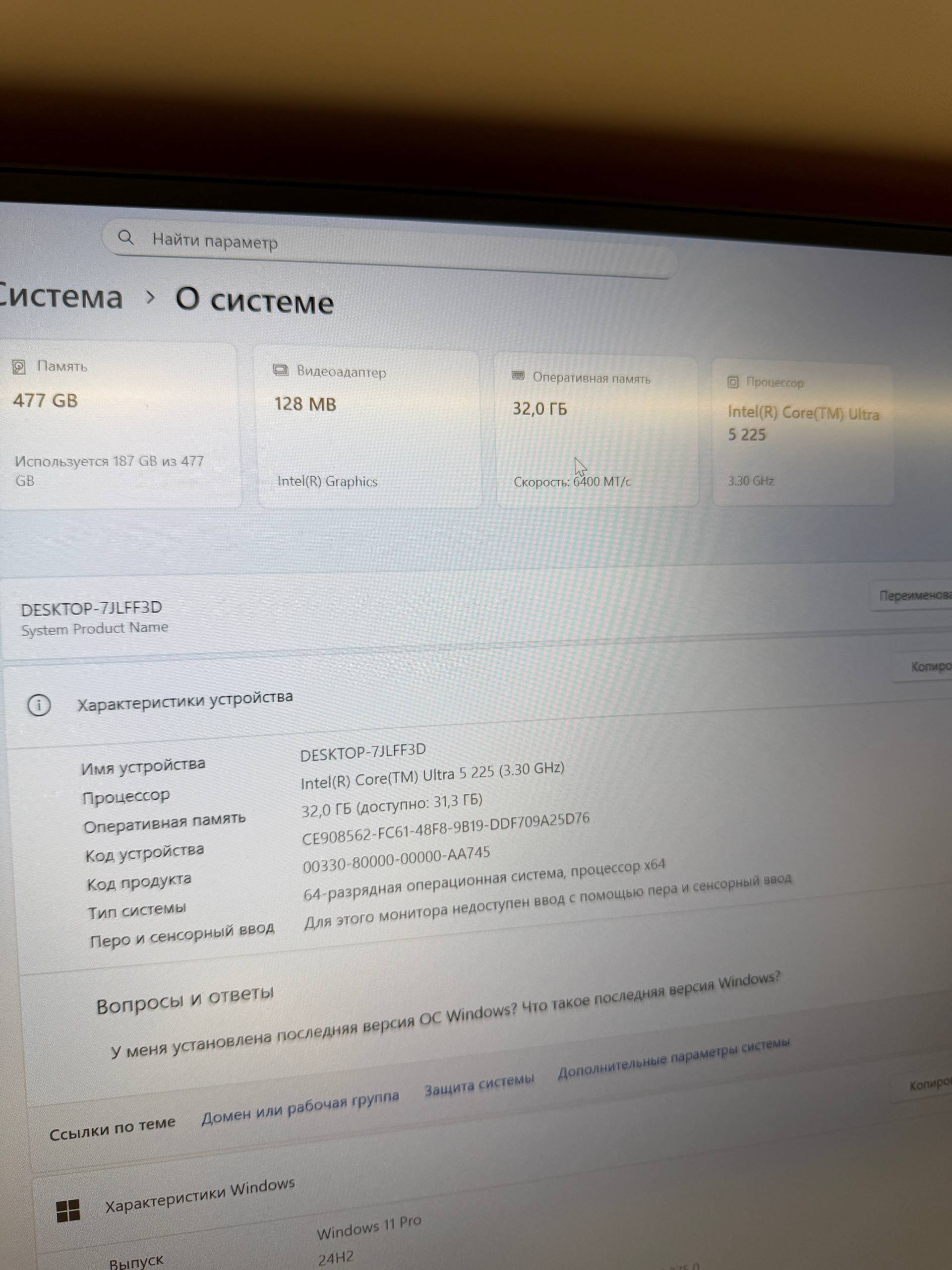
Russian modder VIK-on successfully built functional 32GB DDR5 desktop memory modules using scavenged laptop SO-DIMMs soldered to custom PCBs, achieving 6400 MT/s speeds with XMP support at 40% lower cost than retail equivalents.
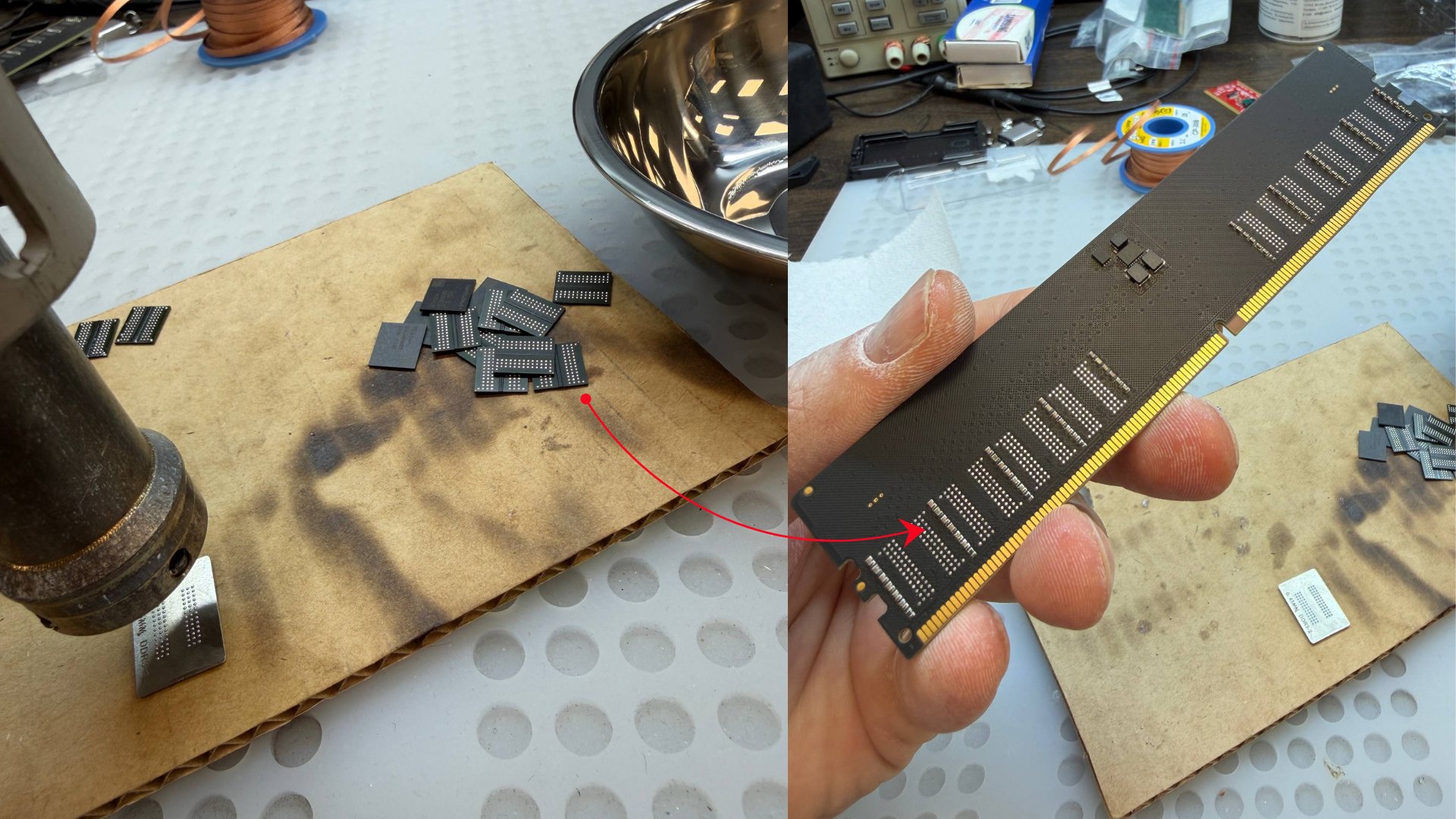
Russian hardware enthusiast VIK-on has demonstrated a cost-effective method for assembling high-performance DDR5 desktop memory by repurposing laptop components. The completed build delivers 32GB capacity at 6400 MT/s speeds with XMP support, costing approximately $218 versus $350+ for retail equivalents—a $130+ savings.
Component Economics and Sourcing
VIK-on sourced two SK Hynix 16GB DDR5 SO-DIMM modules (typically used in laptops) for 8,000 Rubles each ($100), significantly below desktop DIMM pricing. The base PCB was acquired from Chinese suppliers for 600 Rubles ($7.50), with an AliExpress heatsink adding 415 Rubles ($5.23). Total project cost reached 17,015 Rubles ($218), contrasting sharply with retail 32GB DDR5 modules currently priced at $278-$350 in Western markets.
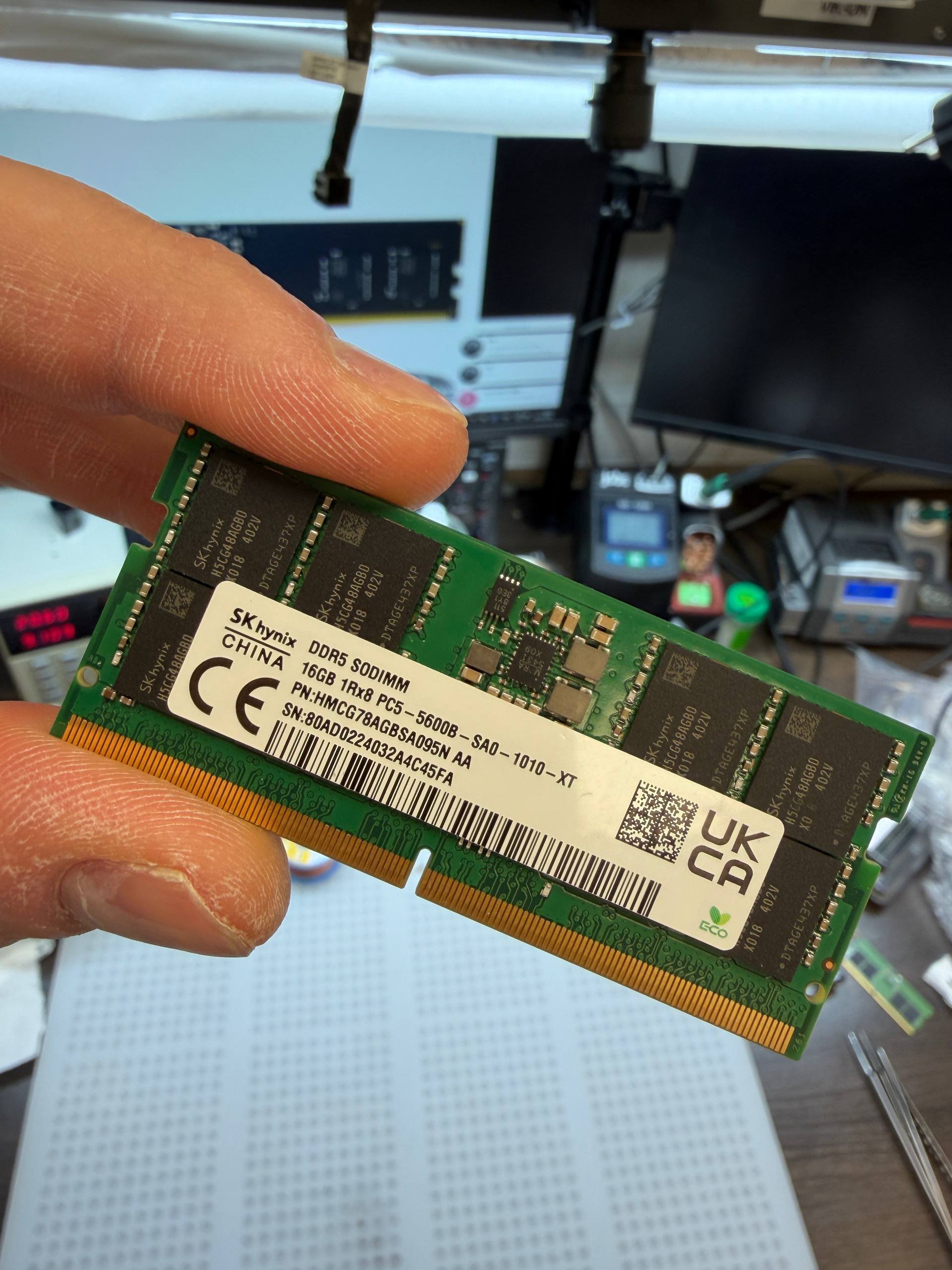
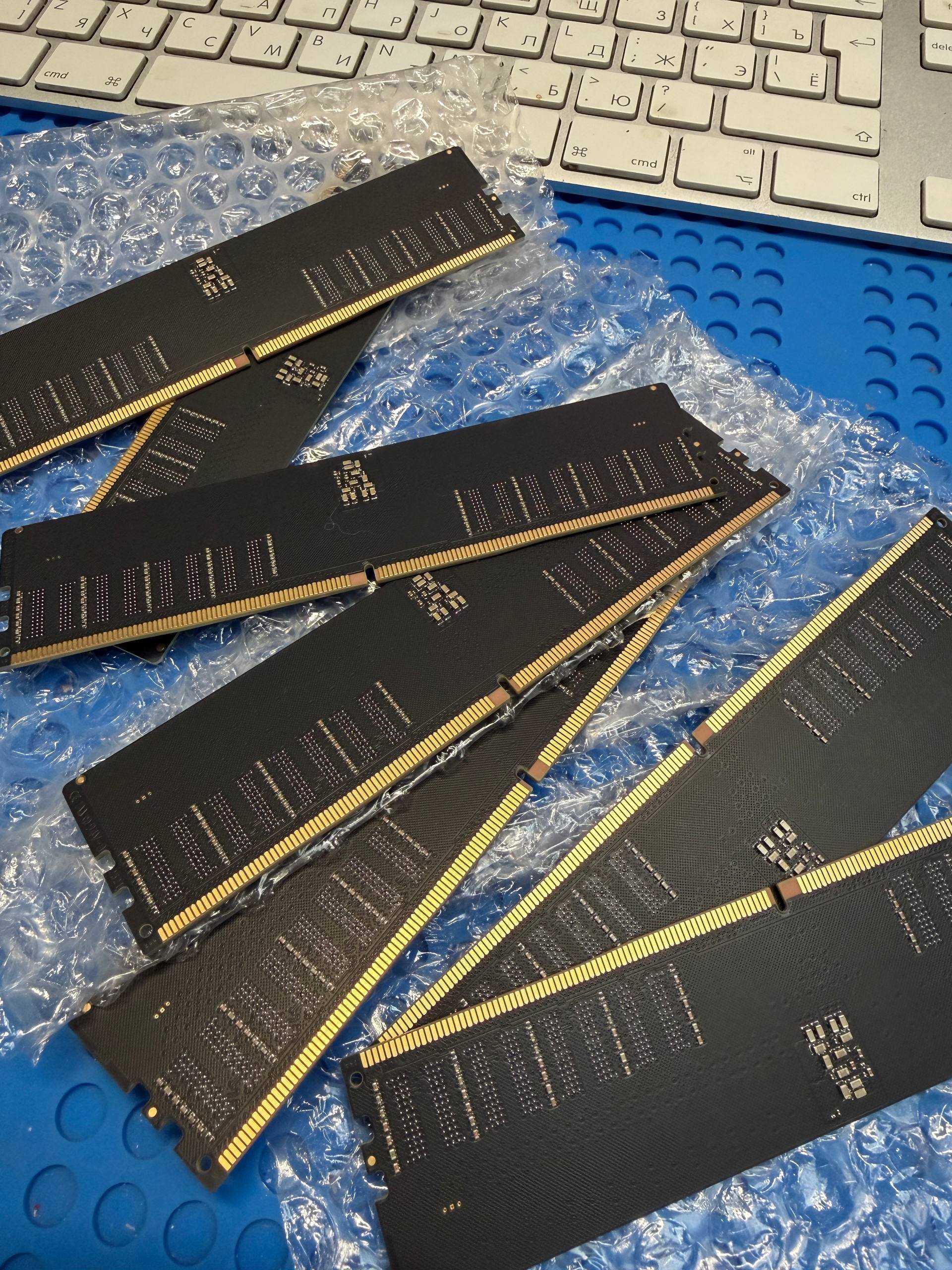
 Building DIY DDR5 desktop memory using laptop sticks (Image credit: VIK-on via Videocardz)
Technical Execution Challenges
The process required advanced BGA rework skills for desoldering memory chips from SO-DIMMs and reballing them onto the desktop PCB. This procedure demands precise temperature control and alignment tools to prevent damage to the 1.1V DRAM components. VIK-on's experience proved critical, as improper soldering risks signal integrity loss or complete component failure.
After physical assembly, VIK-on flashed custom firmware adapted from an Adata retail kit. This enabled XMP profile recognition in desktop motherboards, allowing the modules to operate at 6400 MT/s—matching mainstream retail performance tiers. The DIY modules exhibit no latency penalties versus native desktop DIMMs, unlike adapter-based solutions.
Market Implications and Scalability
This approach highlights supply chain workarounds amid global memory pricing disparities. Russia's current 32GB DDR5 pricing exceeds global averages, making DIY solutions economically viable. VIK-on notes further cost reductions are possible by using 8GB SO-DIMMs (~$50-60 each), potentially lowering total build costs below $150.
While SO-DIMM-to-DIMM adapters exist, they introduce latency penalties of 5-10ns due to signal path extensions. VIK-on's direct-solder method maintains original signal characteristics, making it preferable for performance-sensitive applications. The project underscores how component-level modifications can address regional supply gaps, though it requires specialized equipment like BGA rework stations typically unavailable to consumers.
As DDR5 adoption accelerates, such ingenuity may inspire localized memory production in markets facing import restrictions or premium pricing. However, mainstream viability depends on improved accessibility to DRAM programming tools and PCB sourcing channels.
 Hassam Nasir
Comments
Please log in or register to join the discussion