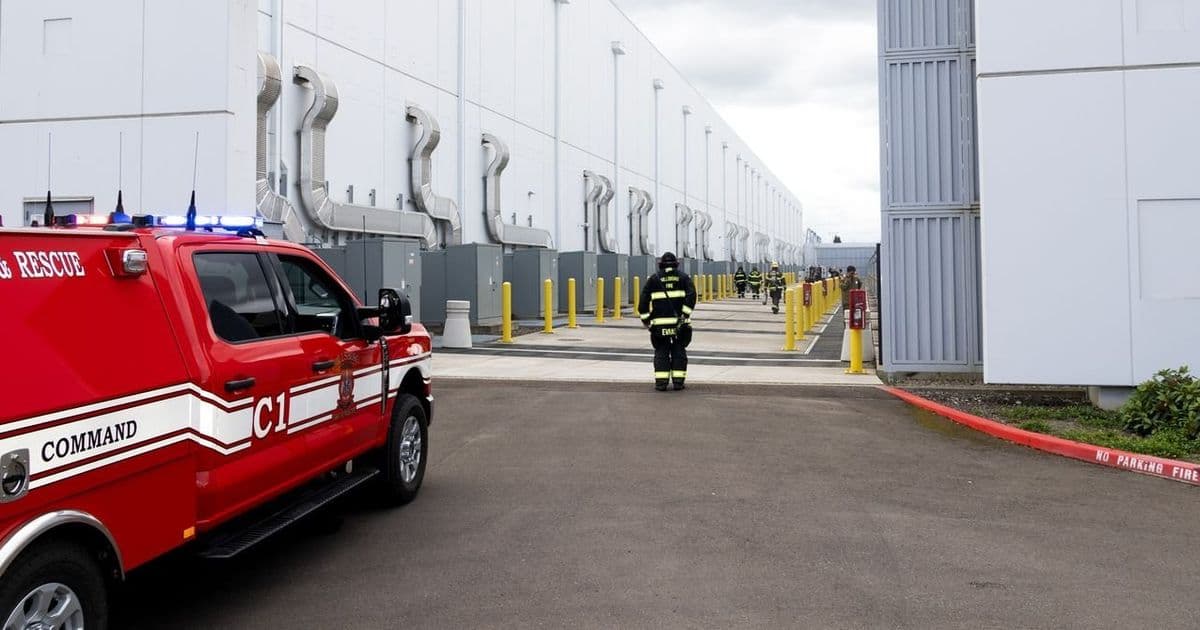
A fire at an X-linked Oregon data center, ignited within a critical power backup system, underscores emerging vulnerabilities as AI's massive computing demands strain infrastructure. The incident, part of a pattern at operator Digital Realty, highlights risks beyond lithium-ion batteries in an era of unprecedented power density.
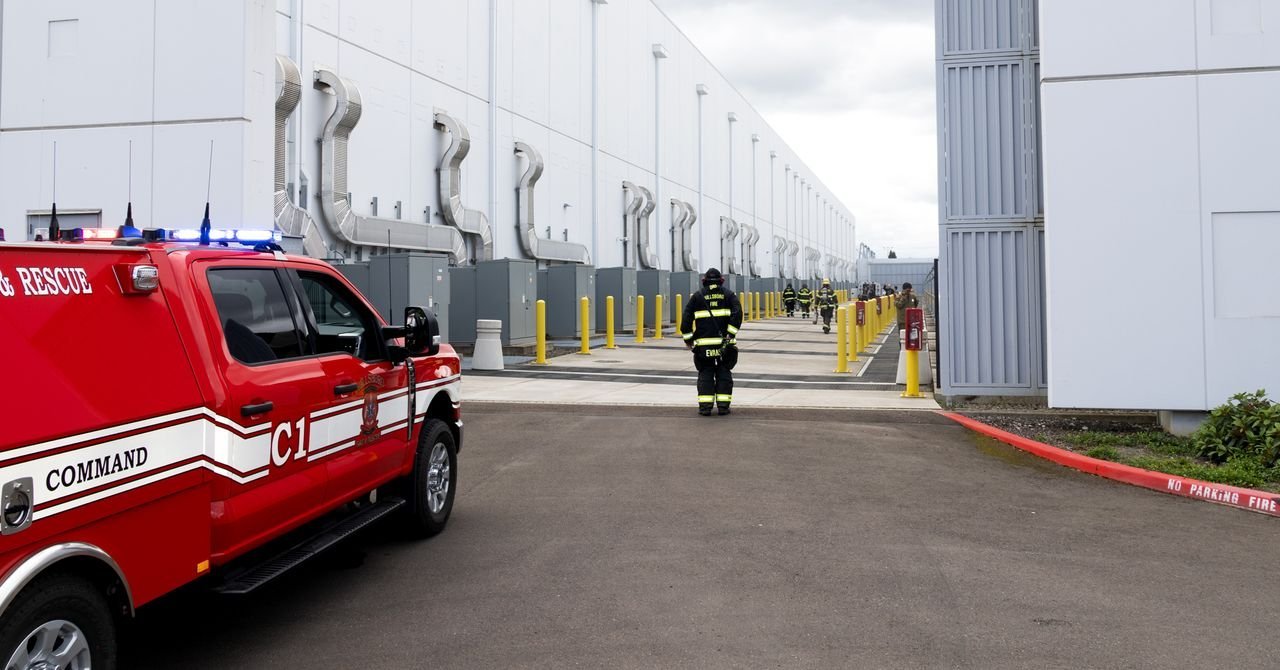
When smoke alarms blared at a Hillsboro, Oregon data center on May 22nd, firefighters rushed to a scene becoming unnervingly familiar: a critical facility powering the digital world ablaze. The building, operated by Digital Realty and housing servers for Elon Musk's X platform, suffered an electrical fire within a Schneider Electric Galaxy VX uninterruptible power supply (UPS) cabinet – a vending-machine-sized unit designed as a fail-safe against outages. While initial fears pointed to volatile lithium-ion batteries, the Hillsboro Fire & Rescue investigation confirmed the ignition stemmed from an electrical or mechanical failure within the complex UPS system itself, causing an estimated $260,000 in damage.
"A UPS houses large battery packs which, much like electric-vehicle batteries, can be susceptible to fires caused by electrical failures or temporary high loads," explains Shaolie Ren, Electrical and Computer Engineer, UC Riverside. "This incident highlights a critical pressure point."
The official fire report, obtained by WIRED, details how the blaze charred the cabinet from the inside out, though investigators couldn't pinpoint the exact component failure. Cooling fans designed to prevent overheating were present, raising questions about monitoring efficacy or unexpected stress points. Digital Realty confirmed the fire was "electrical in nature" and stated they've implemented "improvements to prevent recurrence" while sharing updates with affected customers, including X. Schneider Electric and X did not comment.
This Oregon fire isn't isolated. It echoes incidents at other Digital Realty facilities:
- El Segundo, California (May 2023): A server stack fire caused $75k in losses, attributed to "failure of equipment or heat source."
- Singapore (September 2023): A fire reportedly involving a lithium-ion battery.
While data center fires remain statistically rare among thousands of global facilities, experts warn the explosive growth of power-hungry AI infrastructure is creating new risks. AI clusters push power density and thermal loads to unprecedented levels, stressing backup systems like UPS units.
"Inadequate cooling and temperature monitoring of power systems are frequent culprits," notes Russell Carroll, Electrical Engineer and fire investigator at EMI Sleuth. "Even with ventilation, transient high loads or component degradation can lead to catastrophic failure."
The push for efficiency and uptime drives data centers towards advanced, dense power systems and lithium-ion batteries. However, the Hillsboro incident serves as a stark reminder that complexity breeds new failure modes. As society's reliance on always-on AI, healthcare, and emergency services intensifies, understanding and mitigating these hidden infrastructure vulnerabilities – beyond the battery hype – becomes paramount. The true cost of these fires isn't just the charred cabinets; it's the potential disruption to the increasingly fragile digital backbone we all depend on.
Comments
Please log in or register to join the discussion