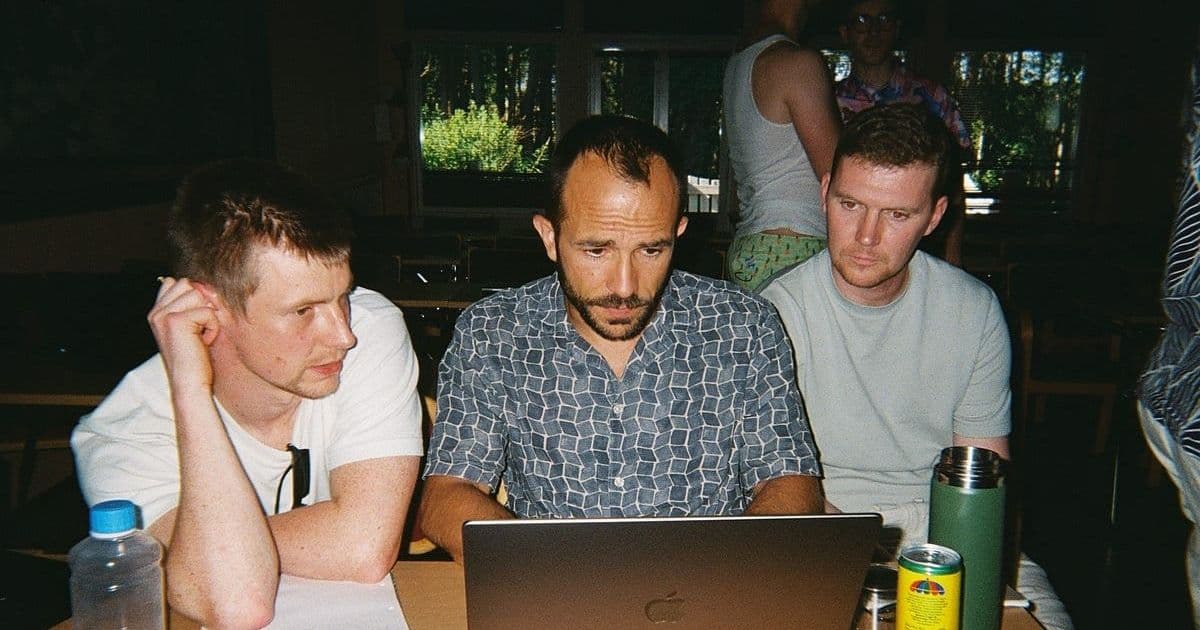
A deep examination of how organizations degrade through growth obsession, contrasted with the intentionally exclusive model that made Better Software Conference a triumph.
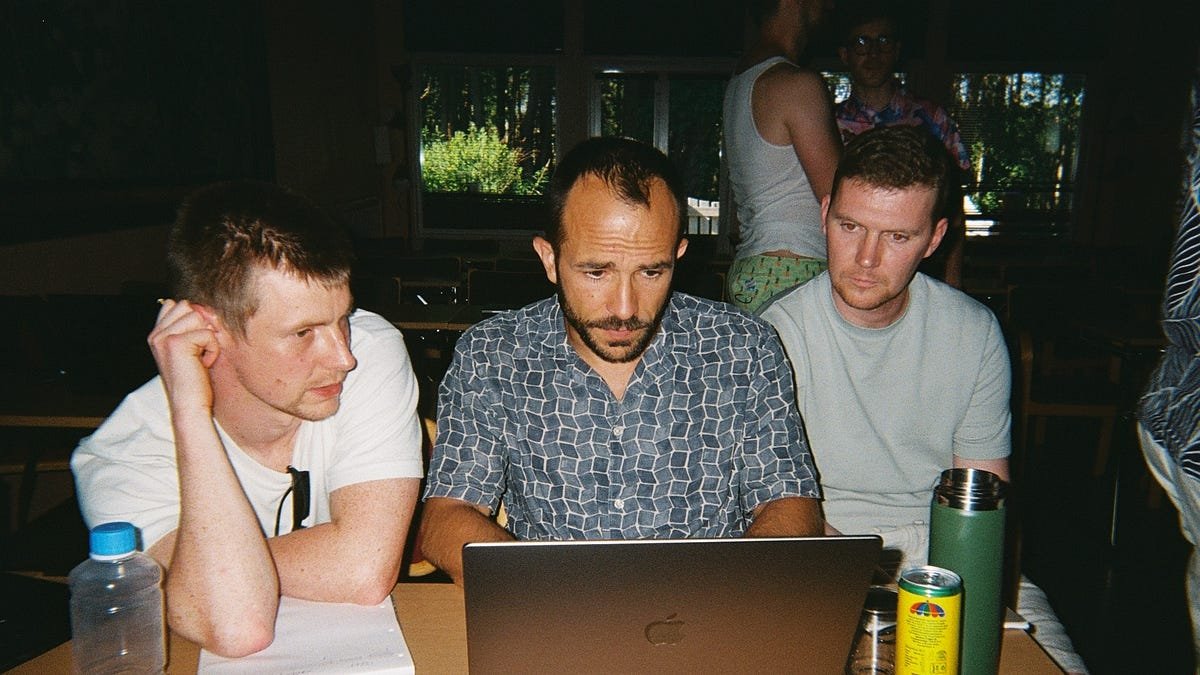
The Eternal Paradox of Growth
Organizational decay through uncontrolled expansion isn't a new phenomenon, but its mechanics remain poorly understood. The historical case of Usenet's "Eternal September" in 1993 provides the archetype: When previously exclusive communities lose selectivity, cultural coherence disintegrates. What began as a high-signal network for academic elites became diluted beyond recognition when internet service providers opened floodgates to the general public. The influx overwhelmed moderation capabilities and erased shared norms, transforming specialized forums into chaotic bazaars.
This pattern repeats across institutions: Bell Labs' evolution from fundamental research powerhouse to corporate R&D department; Apple's journey from garage revolutionaries to trillion-dollar conglomerate; Google's transformation from "Don't Be Evil" pioneers to advertising optimization engine. In each case, the sacrifice of exclusivity for growth triggered irreversible cultural entropy.
The Google Crucible
The internal conflict between early Google engineer Ben Gomes and later executive Prabhakar Raghavan epitomizes this decay. Gomes' 2013 internal memo warned against monetization obsession: "I've been thinking... we are getting too close to the money... concerned that growth is all we are thinking about." His plea to focus on long-term user trust and innovation contrasted sharply with Raghavan's approach optimizing for query volume and ad impressions. This represented more than policy disagreement—it signaled the displacement of founding ethos by spreadsheet metrics.
The Non-Fungibility of Human Capital
Central to understanding this decay is recognizing people aren't interchangeable units. Selective groups develop potent synergy through shared:
- Depth of craft knowledge
- Commitment to first-principles thinking
- Willingness to challenge orthodoxies
- Tolerance for unconventional solutions
When membership criteria broaden, these bonds weaken. Common purpose fragments as participants diverge in fundamental motivations—some seek profit maximization, others artistic fulfillment, others career advancement. The resulting organization regresses toward generic corporatism, losing the distinctive alchemy that fueled its initial excellence.
The Better Software Counterexample
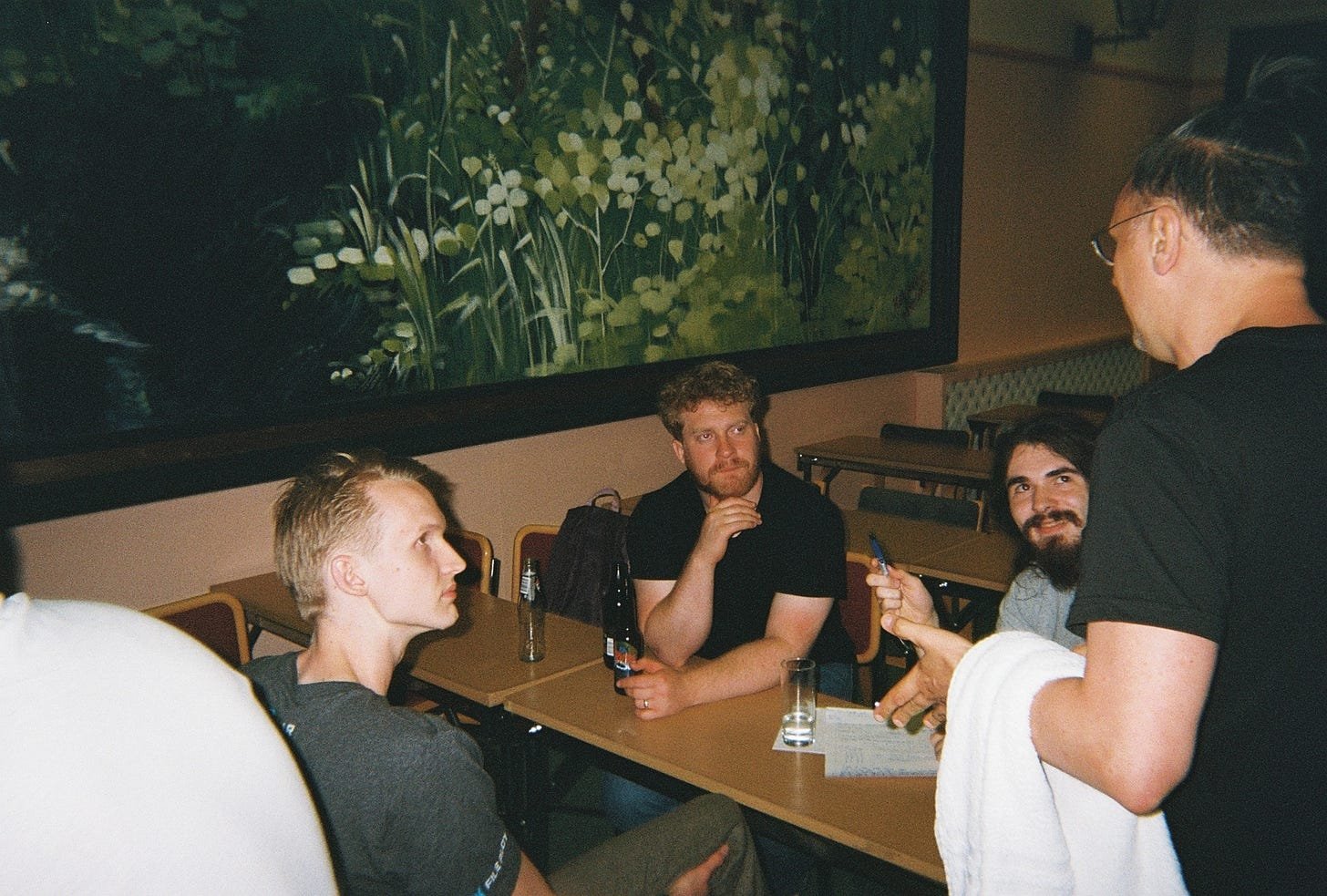
The inaugural Better Software Conference (BSC) in July 2025 demonstrated an alternative model. By deliberately maintaining exclusivity—not through demographic gatekeeping but through selection for demonstrated passion about software craftsmanship—organizers created conditions reminiscent of early Usenet or 1990s Google. Attendees shared such fundamental commonality that conversations sparked instantly:
"It was safe to assume a 'stranger' knew about John Carmack's engine work, RAD Game Tools, Casey Muratori's Handmade Hero, or Jonathan Blow's projects. More importantly, everyone had shipped substantive work—like Teardown creator Dennis Gustafsson or File Pilot developer Vjekoslav Krajačić."

Practical execution reinforced this ethos:
- Isolated location: A remote Swedish town requiring 4-hour train travel filtered for commitment
- Unstructured time: Brazilian jiu-jitsu sparring, lake swims, and marathon conversations replaced rigid scheduling
- Speaker freedom: No time limits or topic constraints enabled deep technical exploration
- Invite-only curation: Selection prioritized shared values over arbitrary diversity metrics
The result was reversed social thermodynamics: Instead of interactions draining energy as at conventional conferences, engagements became generative. Attendees described postponing sleep to prolong conversations—a stark contrast to the emotional exhaustion typical at industry events.
The Exclusivity Debate
Criticism of BSC's model emerged quickly on social media, accusing it of being a "frat party" or "dudes duding it up." These reactions misunderstand the selection criteria. As organizer Charlie Malmqvist clarified, exclusivity wasn't about demographics but about selecting for "people who care about better software. It's in the title."
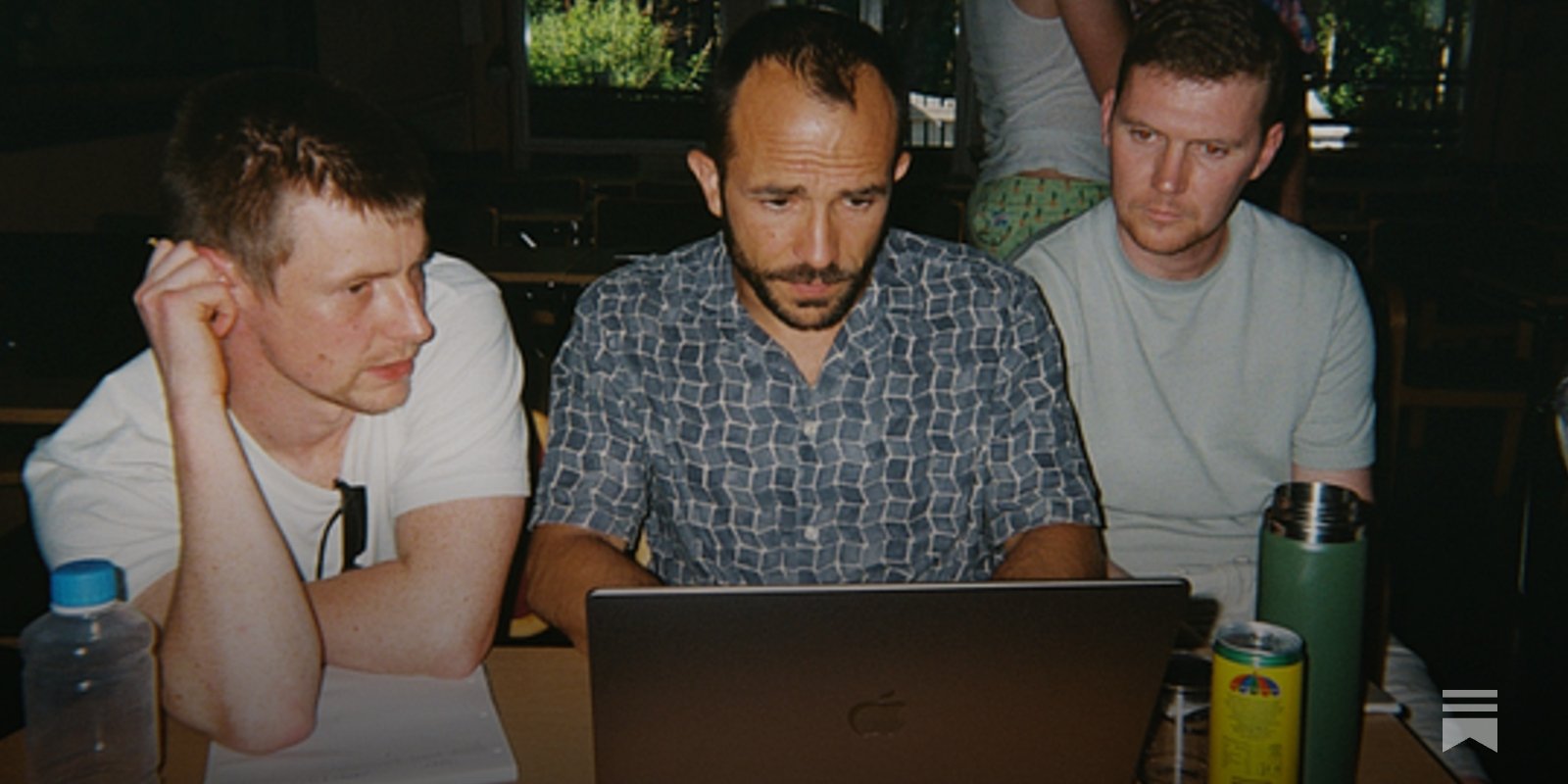
This distinction exposes a critical insight: Demands for inclusivity often mask power grabs using different vocabulary. Corporate boards seeking growth and online commentators demanding representation both ultimately push for expansion—just with different justification frameworks. Both reject the uncomfortable truth that excellence requires boundaries.
Preservation Strategies
BSC's success suggests preservation frameworks for high-performance organizations:
| Strategy | Usenet (Pre-1993) | Better Software Conference |
|---|---|---|
| Selection | Academic access | Invitation-based curation |
| Barriers | Technical skill | Demonstrated craftsmanship |
| Social Glue | Shared research | Passion for quality |
| Growth Model | Organic | Intentional limitation |
Formalizing these mechanisms may extend organizational lifespan. Bell Labs maintained excellence for decades through rigorous hiring committees. Open-source projects like PostgreSQL preserve quality through meritocratic commit access. The alternative—the Eternal September trajectory—remains the default because exclusion triggers discomfort, while growth delivers immediate metrics.
The Uncomfortable Imperative
The uncomfortable truth illuminated by BSC is that preserving excellence requires resisting growth imperatives. Conferences, companies, and communities face a binary choice: Optimize for scale and accept cultural entropy, or enforce selectivity and preserve coherence. There exists no third path where unlimited growth coexists with undiluted quality.
As software permeates every human endeavor, the stakes transcend conference logistics. The Better Software Conference offers more than a compelling event model—it provides a blueprint for building institutions that resist the entropy afflicting Google, Usenet, and countless others. Its success proves that when people share fundamental values and exceptional ability, magic happens. The challenge lies in having the courage to say "enough" before expansion destroys what made growth desirable in the first place.
Comments
Please log in or register to join the discussion