Amazon Web Services facilities in UAE and Bahrain suffer outages after being struck by objects during Iranian retaliatory attacks, disrupting cloud services across the Middle East region.
Multiple Amazon Web Services (AWS) availability zones across the Middle East are experiencing significant outages and degraded connectivity following Iranian missile and drone attacks on targets throughout the Gulf region, marking a concerning escalation of regional conflict into critical cloud infrastructure.
At 1251 UTC on Monday, Amazon began investigating a disruption to its mec1-az2 availability zone in the United Arab Emirates. Approximately five hours later, the company revealed that the facility "was impacted by objects that struck the data center, creating sparks and fire." Local authorities cut power to the facility to contain the blaze, though Amazon has not specified what those objects were.
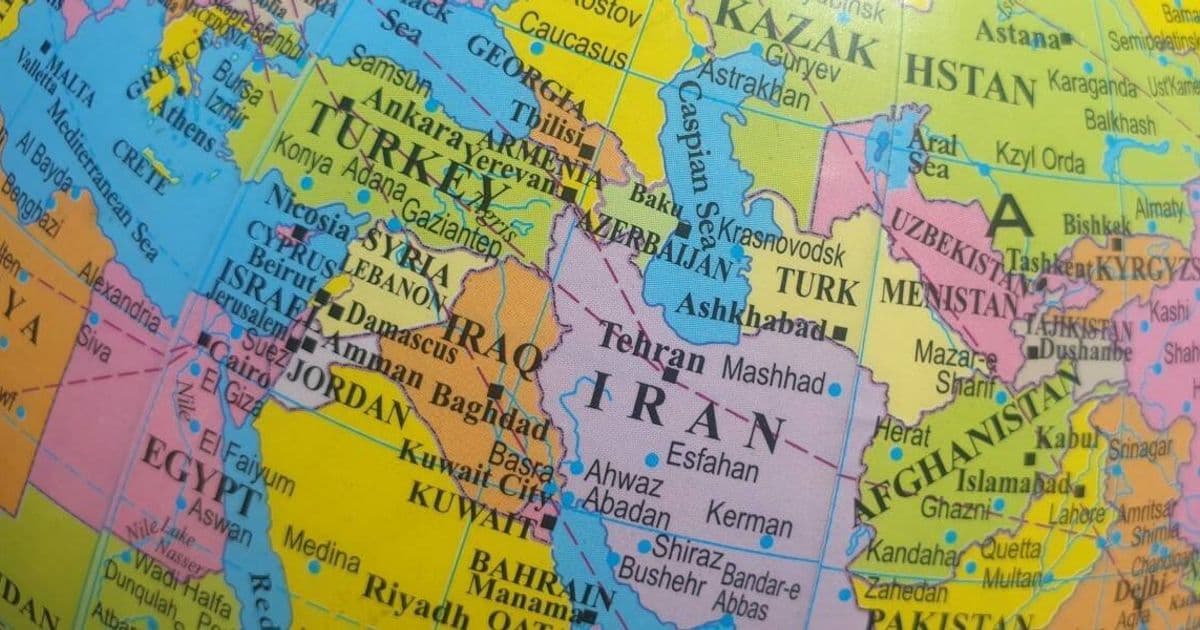
The timing and nature of the incident strongly suggest the datacenter was caught in the crossfire between US and Iranian forces. The disruptions followed a day after the US and Israel launched strikes on Iran, prompting Tehran to launch a series of missile and drone attacks across the Gulf region. These attacks have targeted or hit US military bases and other sites in multiple countries including the United Arab Emirates, Bahrain, Saudi Arabia, Kuwait, and Qatar.
By 1846 UTC, power disruptions had spread to another Amazon availability zone (mec1-az3) in the UAE, significantly impacting services like S3 storage. Amazon notes that S3 is designed to withstand the loss of a single zone within a region, but with two of three zones impaired, "customers are seeing high failure rates for data ingest and egress."
The company estimates that restoring service to the affected datacenters could take "at least a day," citing the need for repairs to facilities, cooling and power systems, coordination with local authorities, and careful safety assessments for operators.
Amazon is also facing disruptions at its mes1-az2 availability zone in Bahrain, where the facility suffered a "localized power issue" around 0656 UTC on Monday. As of the company's last report at 1423 UTC, power had "not yet been restored," with recovery expected to take at least a day while repairs are made.
The Bahrain disruptions appear related to Iranian strikes on targets in the country. Multiple reports indicate Iranian armaments struck the headquarters of the US Navy's Fifth Fleet in Manama, Bahrain on Saturday, while a high-rise building in Bahrain was also hit by what's believed to be an Iranian drone.
These outages have had knock-on effects for software-as-a-service providers in the region. Data management firm Snowflake attributed service disruptions in the region to the AWS outage in the UAE on Sunday.
The conflict's impact on cloud infrastructure highlights the growing vulnerability of critical digital services in geopolitically sensitive regions. Over the past decade, the Middle East has emerged as a hub for big tech as wealthier nations in the region seek to diversify their economies away from petroleum dependence. Countries like Saudi Arabia and the UAE have invested heavily in artificial intelligence, partnering with major tech companies including Nvidia, AMD, OpenAI, and Cerebras to expand datacenter capacity.
According to DataCenterMap, which maintains a database of datacenters worldwide, there are approximately 326 datacenters across the Middle East, with the largest concentrations in Israel, Saudi Arabia, and the UAE. While most are operated by local companies such as the UAE's Khazna Data Centers and Gulf Data Hub, and Saudi Arabia's Center3, US cloud giants have steadily expanded their presence in the region over the past decade.
Google, Amazon, Microsoft, and Oracle all operate facilities in nations now under bombardment by Iranian forces, according to the Associated Press. Thus far, only Amazon's status pages report outages related to the conflict, though the situation remains fluid as regional tensions continue to escalate.
This incident raises serious questions about the resilience of cloud infrastructure in conflict zones and the potential for geopolitical instability to disrupt critical digital services that businesses and governments worldwide depend upon. As the Middle East continues to position itself as a major hub for AI and cloud computing, the vulnerability of these facilities to regional conflicts presents a significant challenge for tech companies and their customers.
Comments
Please log in or register to join the discussion