Phison now demands pre-payment or shorter payment windows from SSD customers as NAND flash prices surge 3-4x since Q2 2025, following similar moves by SanDisk, Kioxia, and Samsung.
Phison, a major SSD controller and drive manufacturer, has begun demanding upfront payments or shorter payment windows from its customers as the NAND flash shortage intensifies across the supply chain. The move comes just weeks after Phison's CEO revealed that at least one NAND foundry had started requesting advance payments from its clients, illustrating how the squeeze is cascading through the semiconductor ecosystem.
According to a report from DigiTimes Asia, Phison sent a letter to customers explaining that "key suppliers have recently adjusted their payment requirements as advance payment or shorten payment" (sic). The company stated it has been "extending financial support for [customers'] orders over the past period," suggesting Phison had already begun absorbing some of the upfront costs from its own suppliers before passing the burden downstream.
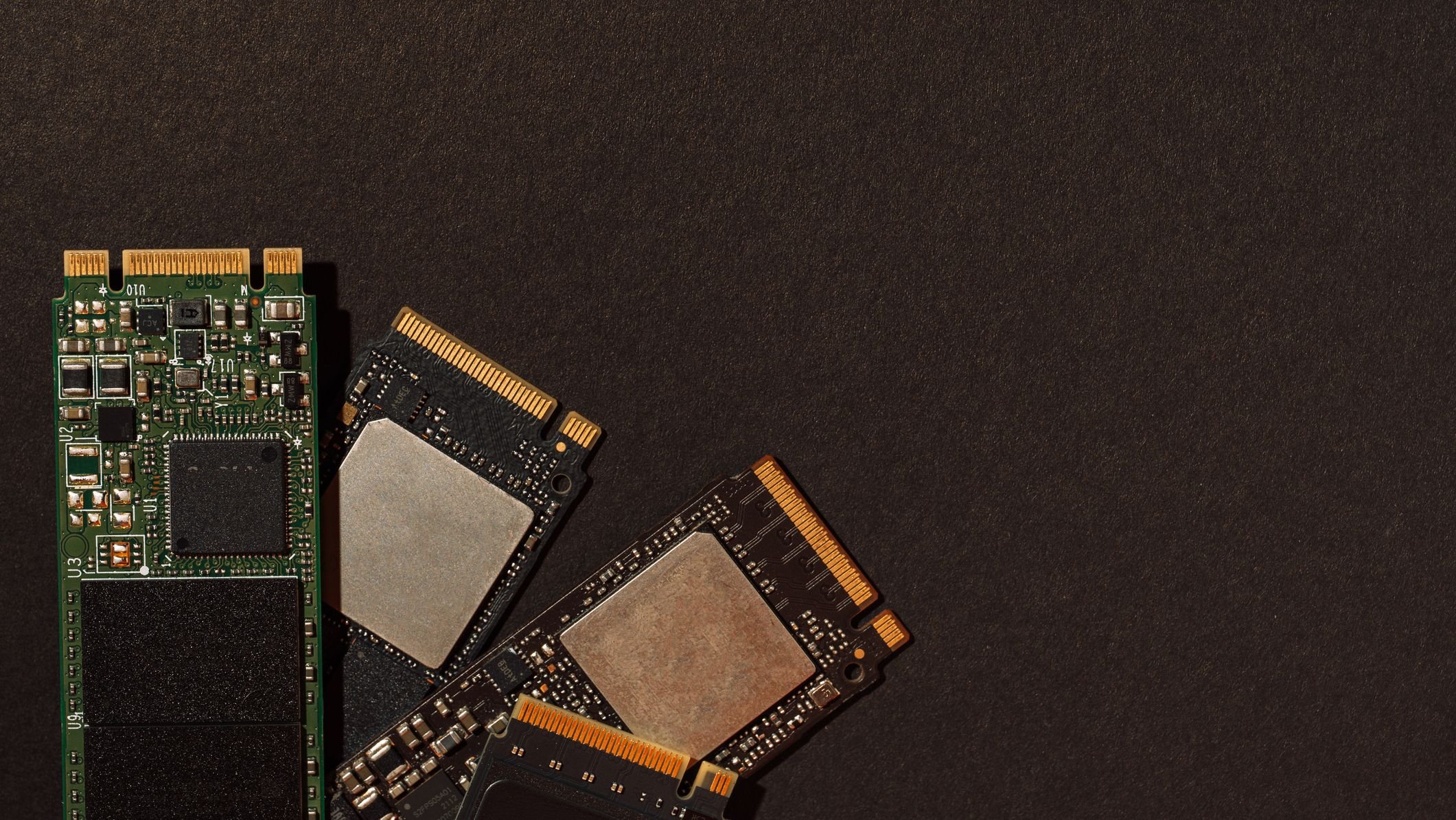
This development represents a significant shift in the SSD supply chain dynamics. Phison is primarily known for its SSD controllers, but the company also manufactures complete drives for enterprise and automotive customers. The decision to demand pre-payment or shorter payment terms from clients demonstrates how severely the NAND shortage is affecting even established players in the storage industry.
The timing of Phison's move aligns with dramatic price increases in the NAND flash market. Current pricing estimates place NAND chips at roughly 3-4 times their Q2 2025 levels, with no clear indication of stabilization in the near or medium term. This surge has already prompted similar actions from other major players in the flash memory space.
SanDisk and Kioxia have reportedly begun demanding pre-payment for long-term NAND contracts, mirroring earlier moves by DRAM manufacturers facing similar supply constraints. Samsung, the world's largest flash memory producer, has shifted to quarterly NAND pricing renegotiations, creating additional uncertainty for customers who previously enjoyed more stable pricing arrangements.
The ripple effects of these changes extend far beyond SSD manufacturers. As AI data centers continue their rapid expansion, consuming massive amounts of memory and storage, the pressure on NAND suppliers has intensified. The automotive industry, already grappling with chip shortages, now faces additional challenges as NAND scarcity compounds existing supply chain issues.
Phison's letter notably lacks specificity about which customers will face pre-payment requirements versus shorter payment windows, suggesting the company will evaluate terms on a case-by-case basis. This approach likely reflects the complex nature of Phison's customer relationships and the varying degrees of leverage different clients may have.
Industry analysts anticipate that larger customers may receive more favorable terms and priority allocation, given Phison's reference to "rapid changes from AI infrastructure" in its communication. This prioritization makes business sense but could create additional challenges for smaller SSD manufacturers and system builders who lack the negotiating power of major cloud providers and enterprise customers.
The NAND shortage and resulting price increases represent a significant reversal from the oversupply conditions that plagued the flash memory market in 2023 and early 2024. During that period, NAND prices fell dramatically as manufacturers had overbuilt capacity in anticipation of demand that failed to materialize at expected levels.
Now, the pendulum has swung in the opposite direction. The combination of AI-driven data center expansion, automotive electrification, and general electronics demand has created a perfect storm for NAND suppliers. Memory makers are projected to earn $551 billion from the AI boom, providing strong financial incentives to maintain tight supply conditions.
For SSD manufacturers and their customers, these developments mean higher costs and greater financial risk. Companies that previously operated on standard payment terms must now either secure larger credit lines or pay substantial upfront costs to maintain their NAND supply. This change could particularly impact smaller SSD brands and system integrators who operate on thinner margins and have less negotiating leverage.
The situation also raises questions about the long-term stability of the NAND supply chain. If major players like Phison are forced to demand pre-payment from customers, it suggests that even well-established companies are struggling to manage cash flow and inventory in an increasingly volatile market.
As the industry navigates these challenges, several factors will determine how long the current conditions persist. The pace of new NAND fabrication capacity coming online, the trajectory of AI infrastructure growth, and the ability of manufacturers to optimize their existing processes will all play crucial roles in determining when supply might begin to catch up with demand.
For now, SSD prices are likely to remain elevated, and the financial burden will continue to shift through the supply chain. What began as payment demands from NAND foundries has now reached SSD manufacturers like Phison, and from there, the effects will inevitably flow to system builders, enterprise customers, and ultimately consumers.
The NAND squeeze affecting Phison and its customers represents more than just a temporary market fluctuation. It signals a fundamental shift in how the storage industry operates, with greater emphasis on financial stability, supply chain resilience, and the ability to navigate increasingly complex supplier relationships. As AI continues to drive unprecedented demand for computing resources, companies throughout the storage ecosystem will need to adapt to these new realities or risk being left behind.
Comments
Please log in or register to join the discussion