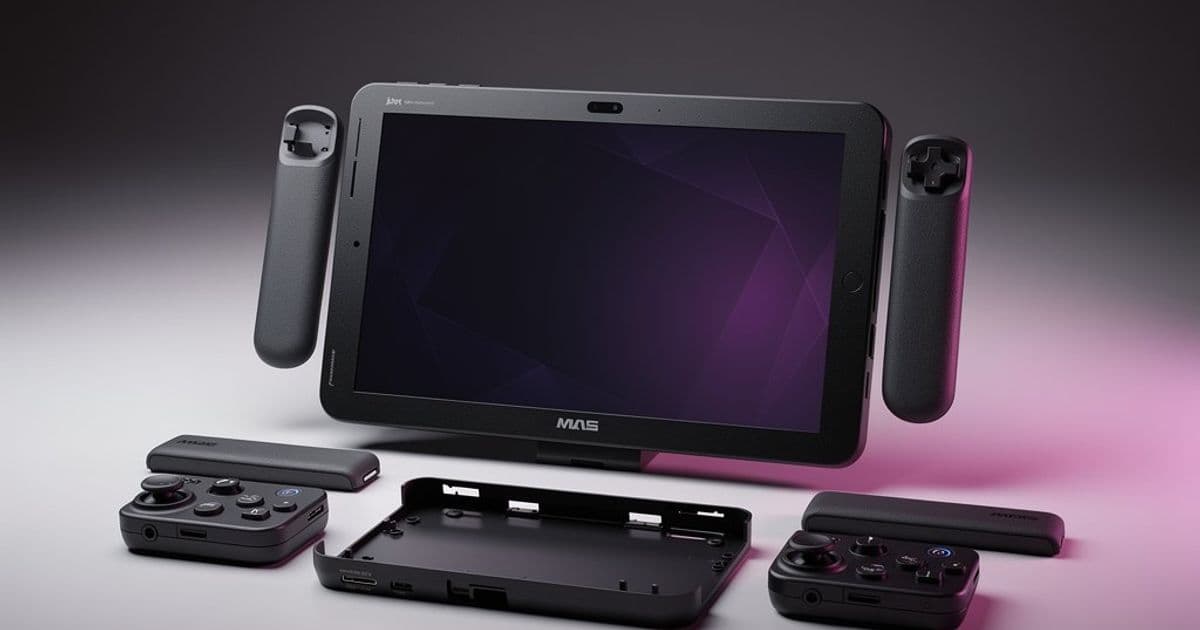
A new Kickstarter campaign for the Mecha Comet handheld Linux PC has shattered its funding goal by nearly 1000%, offering a unique open-source platform where users can swap control modules and repair the device themselves. The project's hardware and software are fully open-source, with the OS on GitHub and hardware licensed under CERN-OHL-S-2.0.
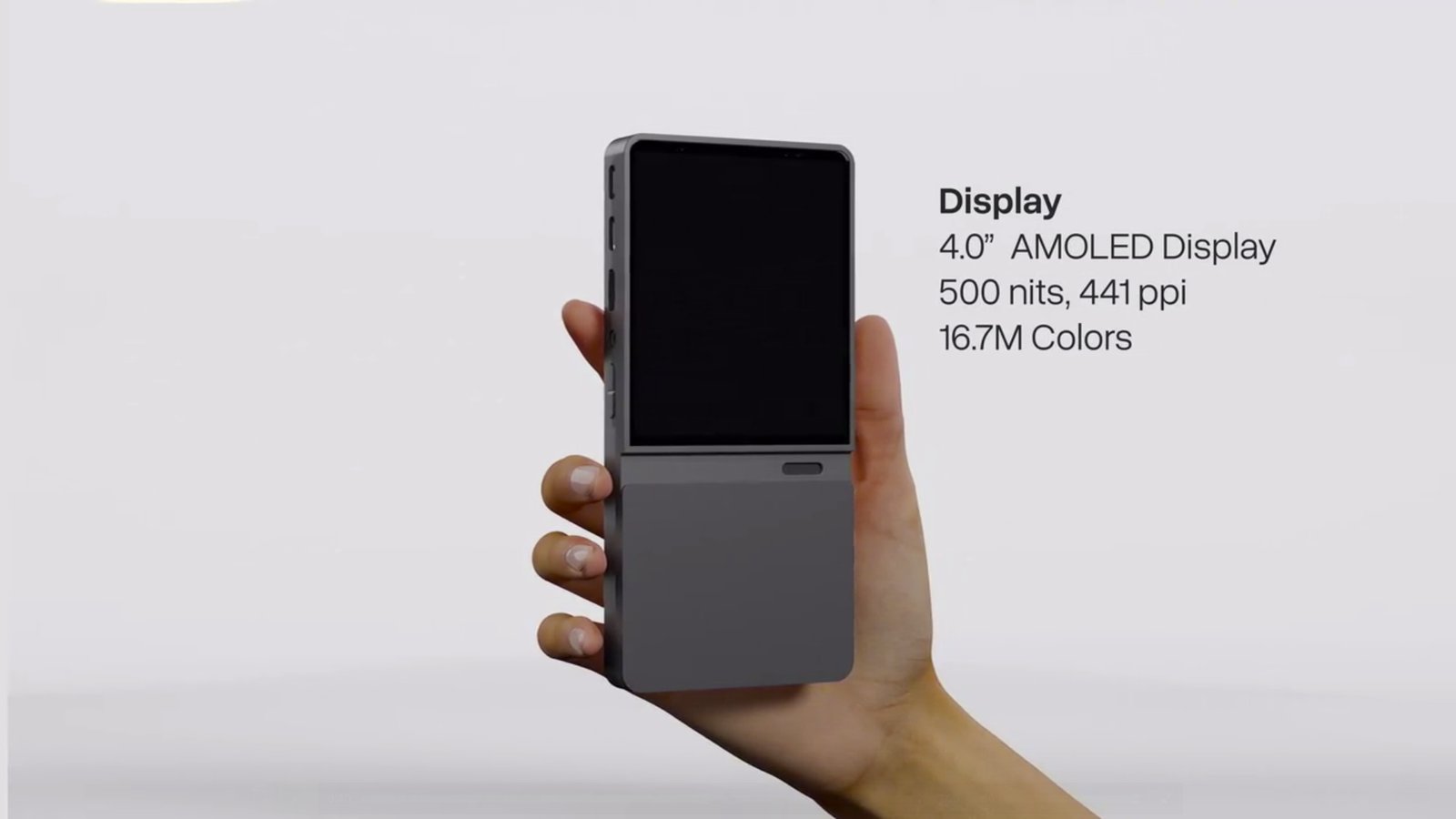
The Mecha Comet isn't just another Linux handheld—it's a modular, repairable, and fully open-source platform that puts control back in the hands of the user. Currently live on Kickstarter, the project from Mecha Systems Inc has already surpassed its original funding goal by nearly 1000%, demonstrating significant community interest in a device that breaks from the typical closed ecosystem of most consumer electronics.
What Makes the Mecha Comet Different
At its core, the Mecha Comet is a handheld Linux computer built around a modular design philosophy. Unlike traditional handhelds with fixed controls and layouts, the Comet features a swappable module system that allows users to physically change the device's interface based on their needs. Need to write code or documents? Attach the keyboard module for a Blackberry-style typing experience. Want to play games? Swap in the controller module with physical buttons and joysticks. This modularity extends the device's utility far beyond a single use case.
The hardware itself is designed for longevity and repairability. Components are accessible and replaceable, meaning users can fix broken parts themselves rather than replacing the entire device. This approach directly counters the planned obsolescence common in modern electronics, where a single component failure often renders the entire product unusable.
Complete Open-Source Commitment
What truly sets the Mecha Comet apart is its comprehensive open-source approach. The operating system, called MechaOS, is available on GitHub, allowing developers and enthusiasts to examine, modify, and contribute to the software stack. The hardware design follows the CERN Open Hardware Licence Version 2 - Strongly Reciprocal (CERN-OHL-S-2.0), which means the schematics, PCB layouts, and mechanical designs will be published publicly. This licensing choice ensures that anyone can study, manufacture, and even sell derivative versions of the hardware, provided they maintain the same open-source terms.
This level of openness is rare in consumer electronics. Most devices, even those running Linux, use proprietary firmware for critical components and keep hardware designs confidential. The Mecha Comet's approach enables true community-driven development and ensures the device won't become a paperweight if the original company discontinues support.
Technical Specifications and Ecosystem
While full specifications haven't been finalized pending the Kickstarter campaign's conclusion, early information suggests the device will run on ARM-based hardware, likely using a processor similar to those found in other Linux handhelds like the Anbernic RG353V or AYN Odin. The modular system requires careful engineering to ensure reliable connections between the main unit and various modules, which likely involves custom connectors and firmware to handle hot-swapping capabilities.
The software ecosystem will be built around a standard Linux distribution, potentially based on Arch Linux or Debian, optimized for the handheld's form factor. The GitHub repository for MechaOS will likely include documentation for developers interested in creating custom modules or applications that leverage the device's unique hardware capabilities.
The Kickstarter Reality Check
It's crucial to approach any crowdfunding campaign with appropriate caution. While the Mecha Comet has reached nearly 1000% of its funding goal, this doesn't guarantee the project will be completed successfully or that backers will receive their devices as described. Crowdfunding carries inherent risks, including manufacturing delays, design changes, or even complete project failure.
The team at Mecha Systems Inc has demonstrated their prototype at CES 2025, which provides some confidence in their progress. However, prototypes often differ significantly from final production units. Backers should understand that pledging money to a Kickstarter campaign is not the same as purchasing a product from a retailer—it's an investment in a project that may not materialize as expected.
Why This Matters for Mobile Computing
The Mecha Comet represents a growing movement toward user-empowered hardware. As mobile devices become increasingly locked down with proprietary firmware and non-replaceable components, projects like this offer an alternative vision where users retain control over their devices. This philosophy aligns with the broader Linux and open-source community's values of transparency, user freedom, and collaborative development.
For enthusiasts interested in Linux on mobile devices, the Mecha Comet provides a platform that's both practical and philosophically aligned with open-source principles. The ability to modify hardware and software without manufacturer restrictions creates opportunities for customization that simply aren't possible with mainstream devices.
Looking Ahead
If successful, the Mecha Comet could influence how future handheld devices are designed and sold. The modular approach might inspire other manufacturers to consider repairability and modularity in their designs. More importantly, the open-source hardware license could create a community of developers and manufacturers building upon the Comet's foundation, potentially leading to an ecosystem of compatible modules and accessories.
For those interested in following the project's progress or learning more about the technical details, the Kickstarter campaign page provides ongoing updates. The MechaOS GitHub repository will likely become the central hub for software development and documentation as the project moves toward production.
The Mecha Comet's success on Kickstarter shows there's significant demand for devices that prioritize user control, repairability, and open-source principles. Whether it ultimately delivers on its promises remains to be seen, but it represents an important experiment in alternative hardware design that could reshape how we think about mobile computing devices.
Comments
Please log in or register to join the discussion