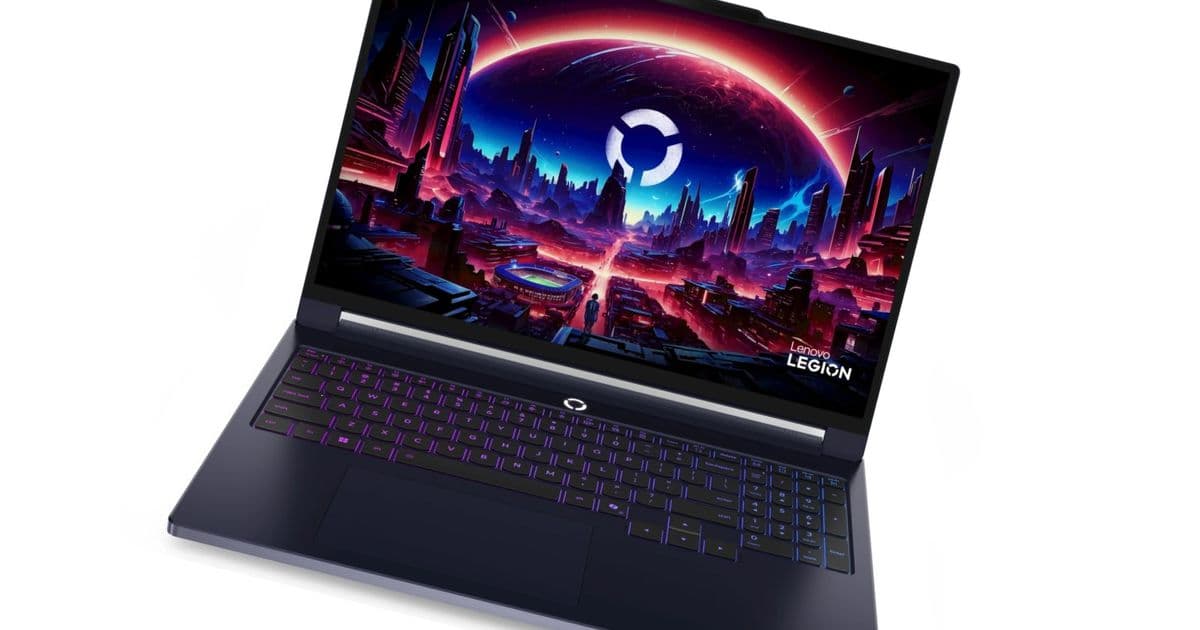
A support page leak reveals Lenovo is preparing a 15-inch Legion 7 model powered by AMD's upcoming Strix Halo platform, positioning it as a direct competitor to Asus's ROG Flow Z13 and TUF Gaming A14.
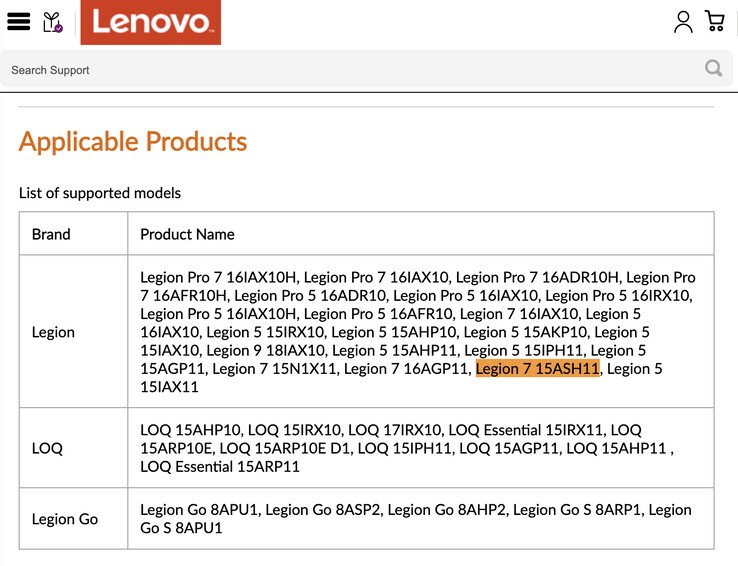
Lenovo appears to be expanding its Legion 7 lineup with a new 15-inch model that leverages AMD's unreleased Strix Halo platform. The discovery, first spotted by user Huang514613 on a Legion Space support page, references a "Legion 7 15 ASH11" where the "ASH" designation specifically points to AMD Strix Halo silicon. This represents a strategic shift from the 16-inch displays dominating current premium gaming laptops.
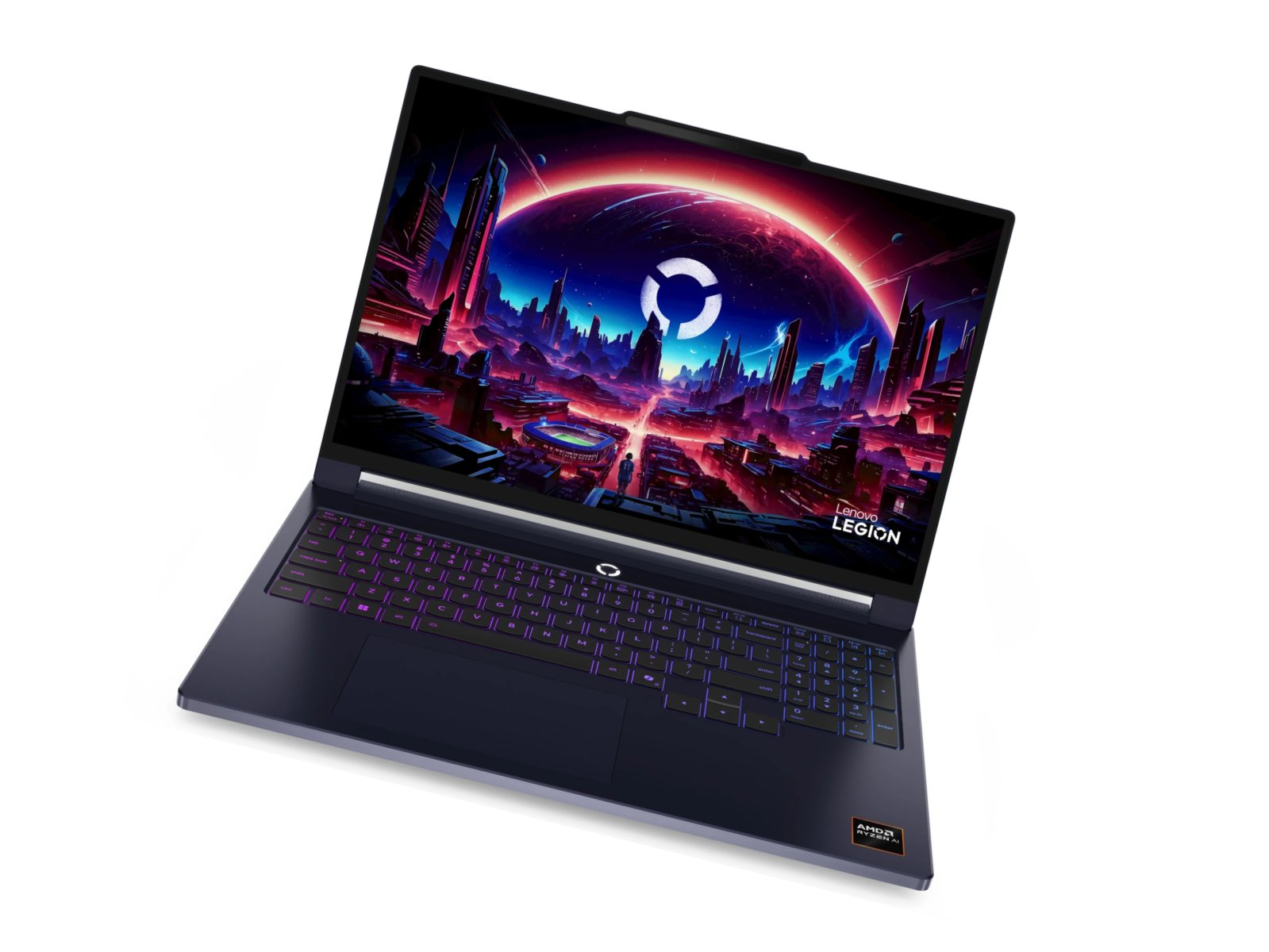
What's New: The Legion 7 15 ASH11
The support page confirms several key details about this unannounced model. First, the "ASH" identifier in the model number is Lenovo's internal code for AMD Strix Halo, confirming the partnership. The device will feature a 15-inch display, which is notably smaller than the 16-inch panels on the recently showcased Legion Pro models from CES 2026.
While specific APU configurations remain unconfirmed, the most likely candidates are AMD's Ryzen AI Max+ 392 and Ryzen AI Max+ 395 processors. Both chips will utilize the same Radeon 8060S integrated GPU, meaning graphics performance should be identical across variants. The primary differences will likely come down to CPU core counts, AI accelerator performance, and power limits.
How It Compares to the Competition
The Legion 7 15 ASH11 enters an increasingly crowded market of compact gaming laptops. Its primary rivals include:
- Asus ROG Flow Z13 - Currently one of the few premium 13-14 inch gaming tablets with AMD hardware
- Asus TUF Gaming A14 FA401EA - A more budget-focused 14-inch gaming option
- GMKtec EVO-X2 - A mini-PC alternative with Strix Halo that recently debuted
Against these competitors, Lenovo's offering brings the Legion brand's established thermal design and build quality to the 15-inch form factor. The company's track record with vapor chamber cooling and efficient fan curves could give the 15 ASH11 an advantage in sustained performance.
Performance Context: Strix Halo vs. Current Hardware
To understand the potential impact, we need to compare this upcoming model to Lenovo's existing Legion 7a Gen 11, which ships with a Ryzen AI 9 HX 470 and Nvidia GeForce RTX 5060 laptop GPU.
A theoretical Ryzen AI Max+ 395 in the 15 ASH11 would offer:
- CPU Advantage: More cores and higher clocks than the Ryzen AI 9 HX 470
- GPU Parity: The Radeon 8060S should match or exceed the RTX 5060's mobile performance
- Power Efficiency: Strix Halo's unified architecture typically consumes less power than discrete CPU+GPU combos
- AI Acceleration: Significantly faster NPU performance for Windows Copilot and creative workloads
The power efficiency angle is particularly important for a 15-inch form factor. AMD's Strix Halo uses a unified memory architecture that eliminates the need for separate CPU and GPU memory pools, reducing both latency and power draw.
The 15-inch Gaming Gap
Why does a 15-inch model matter? The gaming laptop market has polarized around two extremes: 14-inch ultraportables that sacrifice performance, and 16-18-inch desktop replacements that sacrifice portability. The 15-inch segment has been underserved, particularly with premium AMD options.
Lenovo's choice suggests they're targeting users who want more screen real estate than 14-inch models without the bulk of 16-inch laptops. This is ideal for students, traveling professionals, and gamers who need a single device for both work and play.
What We Don't Know
Several critical details remain unconfirmed:
- Launch Date: Lenovo hasn't provided any timeline for announcement or release
- Pricing: Will it slot above or below the current Legion 7a Gen 11's price point?
- Display Specs: Resolution, refresh rate, and brightness specifications
- Memory Configuration: Strix Halo supports up to 128GB unified memory, but laptop implementations may be limited
- Storage: PCIe Gen 4 or Gen 5 support
- Ports: Whether it will retain full-size HDMI and USB-A ports
Broader Implications
This leak reinforces the trend of AMD making significant inroads into premium gaming laptops. Strix Halo represents AMD's attempt to dominate the high-performance mobile segment with a single-chip solution that challenges both Intel's Core Ultra and Nvidia's discrete GPU dominance.
For Lenovo, adding an AMD Strix Halo option diversifies their portfolio beyond Intel+Nvidia configurations. It also positions them to compete directly with Asus's ROG line, which has had strong AMD offerings in compact form factors.
The 15-inch form factor choice is particularly strategic. It fills a gap between the 14-inch TUF series and 16-inch Legion Pro models, giving AMD fans a "just right" option for portability and performance.
What to Watch For
As we await official announcement, key indicators to monitor include:
- Competitor responses: Will other manufacturers like MSI or Acer announce similar 15-inch Strix Halo models?
- AMD's official Strix Halo specs: The company has been quiet about final specifications
- Pricing pressure: How will this affect pricing on current Legion 7 models?
- Retail availability: Will this be a global launch or limited to specific regions?
The Legion 7 15 ASH11 represents a convergence of AMD's ambitious mobile silicon strategy and Lenovo's proven Legion design philosophy. While we don't have a launch date, this leak confirms that the compact premium gaming laptop segment is about to get significantly more competitive.
For buyers currently considering a 14-inch gaming laptop, waiting for this 15-inch alternative might provide the perfect balance of portability and screen space without performance compromises.
Source: Lenovo Legion Space support page via Huang514613
Comments
Please log in or register to join the discussion