
Apple has never shipped a touchscreen Mac, but a buried feature in the first macOS 27 beta suggests that's about to change. The same rumors point to a redesigned MacBook Ultra with M6 Pro or M6 Max silicon and a 14.3 or 16.3-inch OLED panel.
Apple spent more than a decade insisting that touchscreens belong on iPads and trackpads belong on Macs. The first beta of macOS 27 quietly complicates that position. Buried in the release is functional touch input support, and while it currently works through an iPad connected over Sidecar, the plumbing it exposes is the strongest software signal yet that a touchscreen MacBook is real.
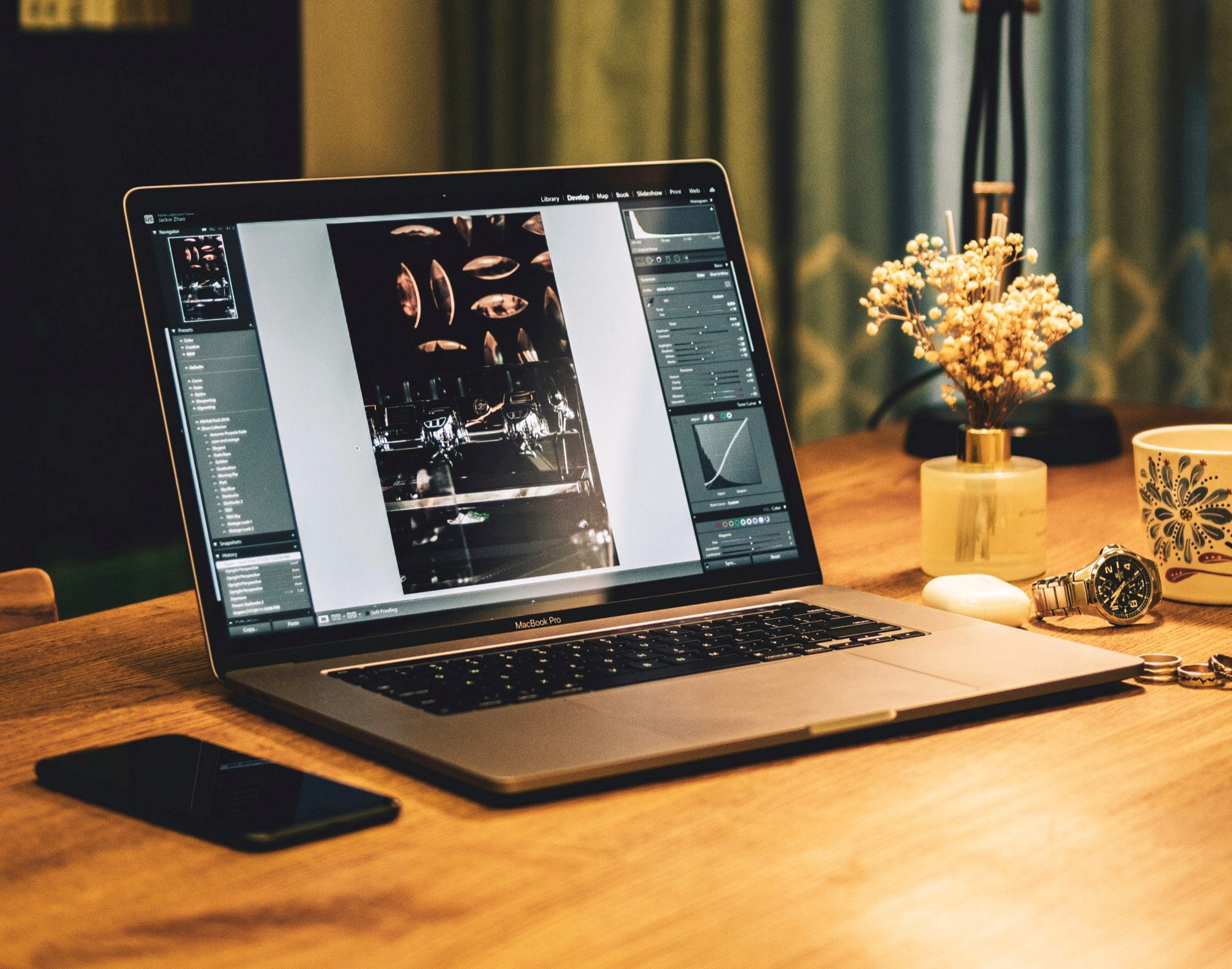
What's new in the macOS 27 beta
Connect an iPad to a Mac wirelessly through Sidecar on macOS 27 and you can now operate the desktop directly with your finger. That was not possible in macOS 26, where the tablet acted as a second display you still had to drive with a mouse or trackpad. The new build lets you scroll lists, select menu items, and use basic gestures like pinch to zoom straight from the touch surface.
Apple also added a detail that matters more than it sounds. Dragging a finger across a list highlights items as you pass over them, standing in for the hover state that a mouse pointer normally provides. Hover is one of the harder problems in adapting a pointer-based interface to touch, since a fingertip has no resting position above the glass. Building an explicit replacement for it is the kind of work you do when you expect people to operate the entire OS by touch, not just poke at a secondary screen.
None of this confirms a touchscreen laptop on its own. Sidecar touch could ship and go no further. But the engineering investment lines up with the hardware rumors rather than contradicting them, and that is what gives the leaks added weight.
How it compares to the current MacBook Pro
The device these features point toward is reportedly the MacBook Ultra, positioned above today's MacBook Pro, which currently runs around $1,549 at retailers like Amazon. The naming itself signals a price move upward, so buyers eyeing a 2026 or 2027 upgrade should plan for a premium over what the Pro line costs now.
The spec changes rumored so far are substantial rather than incremental. Apple is said to be moving from the current Mini LED panels to OLED, offered in 14.3-inch and 16.3-inch sizes that sit just above the existing 14.2 and 16.2-inch displays. OLED brings true blacks and per-pixel lighting, which removes the blooming that Mini LED backlights produce around bright objects on dark backgrounds. Pair that with touch and the panel becomes the headline component of the machine.
The chassis is also reportedly getting a full redesign with a thinner body. The most visible change would be the camera housing. Instead of the notch that has sat in the menu bar since the 2021 redesign, the MacBook Ultra is rumored to use a punch-hole or a dynamic island, borrowing the approach Apple already ships across the iPhone line. A thinner enclosure plus OLED, which is itself thinner than a backlit LCD stack, is a plausible combination, though battery capacity is the trade-off worth watching whenever a laptop slims down.
On silicon, the MacBook Ultra is expected to ship with either the M6 Pro or M6 Max. That keeps it in the same two-tier structure as the current Pro models rather than introducing a separate Ultra-class chip in the laptop, despite the name. Buyers comparing against M4 Pro and M4 Max machines on the market today should expect the usual generational gains in CPU and GPU throughput, with the OLED touchscreen being the differentiator that actually changes how the machine is used.
Who it's for
If you already find yourself reaching up to tap a MacBook screen out of habit from your phone and tablet, this is the Mac that finally answers that reflex. The combination of OLED contrast and direct touch makes the most sense for people doing visual work, photo and video editors who want to scrub and adjust directly, and anyone who switches between an iPad and a Mac throughout the day and wants the gesture vocabulary to carry over.
For users who live in the keyboard and trackpad, the calculus is different. Touch on a clamshell laptop has historically meant reaching across the keyboard to a vertical screen, which is ergonomically worse than a tablet held flat. Whether Apple has solved that with hinge or software design remains unknown, and it is the single biggest open question about whether the feature is genuinely useful or just a checkbox.
Timing is the other practical concern. The launch window being floated runs anywhere from September 2026 to spring 2027, which is wide enough that anyone needing a machine sooner should not wait on it. Apple has not commented on any of this, the touch code in the beta could change before release, and beta features have been pulled before. The source for the hardware claims is the leaker @BLCNYY on X, with the teaser image attributed to Jiawei Zhao.
What the macOS 27 beta does establish is that touch input is no longer purely theoretical inside Apple's desktop OS. The software groundwork is being laid in public, and that historically precedes the hardware by a release or two. For a company that built much of its identity on the argument that Macs should not have touchscreens, shipping the code to support them is the more interesting development, regardless of when the MacBook Ultra actually arrives.
Comments
Please log in or register to join the discussion