Apple's long-awaited entry into the foldable smartphone market may finally be imminent, with recent reports suggesting the iPhone Fold is nearing mass production. As Android manufacturers continue to refine foldable technology, Oppo's latest device offers insights into what we might expect from Apple's first foldable iPhone.
The foldable smartphone market has evolved significantly since Samsung first introduced its Galaxy Fold in 2019, and after years of development, Apple appears to be finally preparing to enter this emerging category. Recent reports indicate that the iPhone Fold is nearing mass production, with approximately 100 prototype units reportedly undergoing testing. This development comes after Apple reportedly delayed its foldable plans due to concerns about display quality, particularly the visible crease that has plagued early folding screen technology.
The Crease Challenge
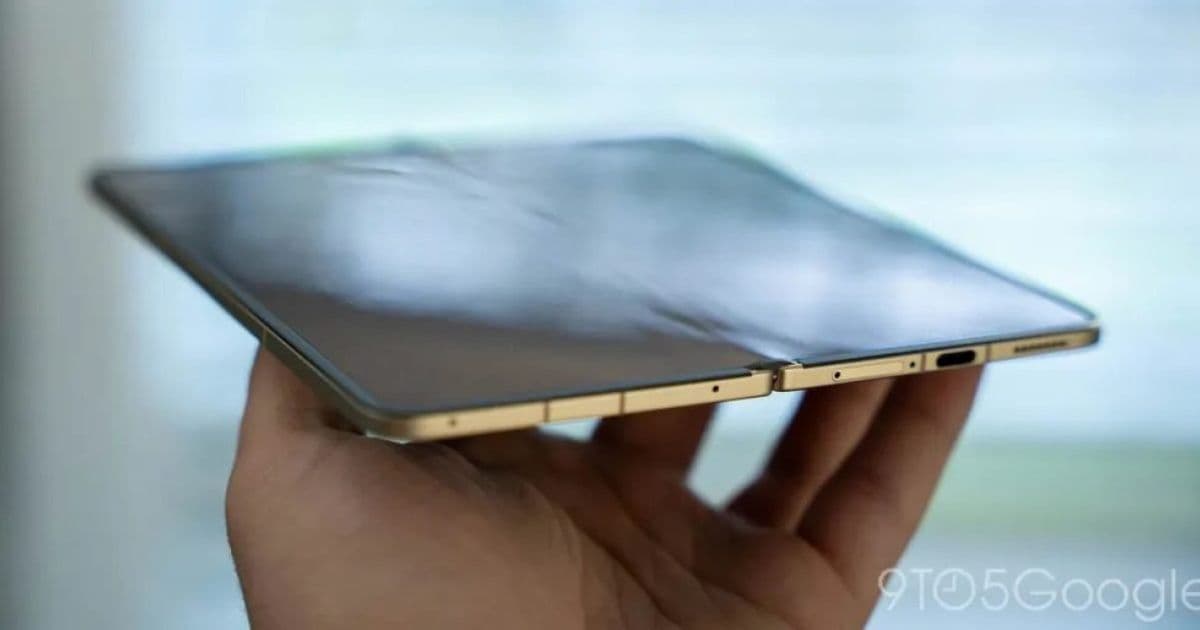
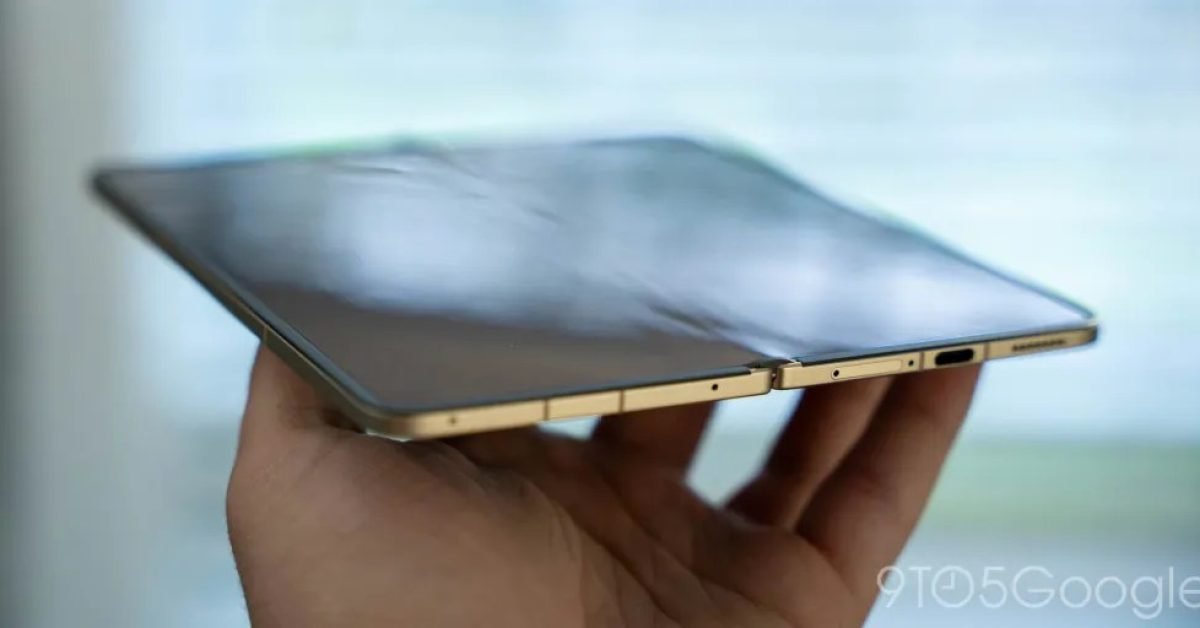
Samsung's pioneering foldable devices, despite being on the market for eight years, have consistently faced challenges with display durability and aesthetics. Two primary issues have emerged: vulnerability to damage when dust gets trapped in the device when folded, and an unsightly crease visible in the center of the screen when unfolded. These problems have been particularly significant for Apple, given its partnership with Samsung as the primary display supplier for iPhones.
According to industry sources, Apple was dissatisfied with early samples of folding displays provided by Samsung, necessitating direct involvement from Apple's engineering team to address these concerns. This collaborative development process, while time-consuming, may ultimately benefit consumers by ensuring Apple's first foldable meets the company's exacting standards.
Oppo's Creaseless Solution
While Apple has been refining its approach to foldable technology, Android manufacturers have continued to innovate. Oppo's recently launched Find N6 introduces what the company claims is the world's first "crease-less" foldable display. This "Zero-Feel Crease" technology aims to make the crease effectively invisible to the eye and nearly imperceptible to touch during use.
Oppo achieves this through a combination of proprietary technologies. The 3D Liquid Printing process levels out the hinge mechanism, ensuring the display has a completely flat surface when unfolded. Complementing this is the "Auto-Smoothing Flex Glass," which further enhances the visual appearance and tactile experience of the display.
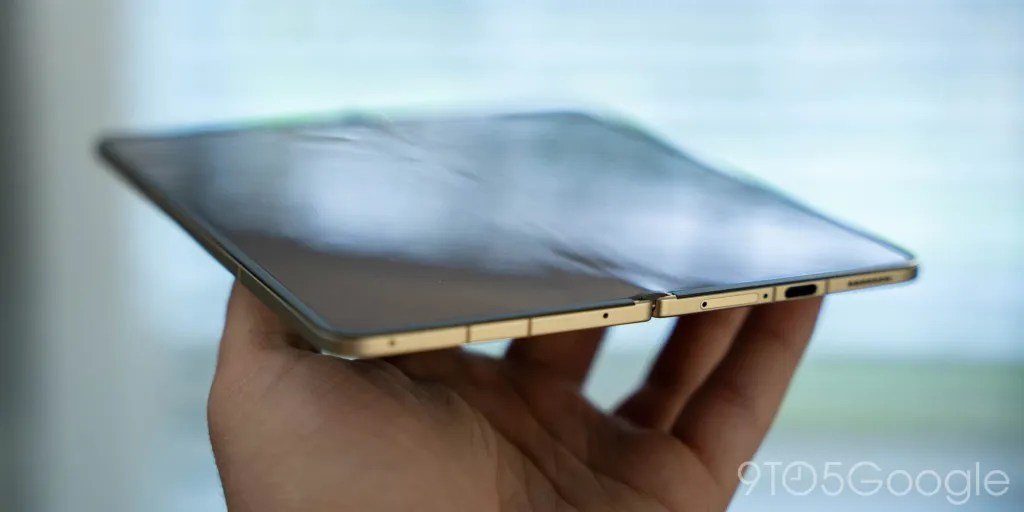
Early impressions of the Find N6 suggest that Oppo's claims have merit. Reviewers note that not only is the crease nearly invisible when viewing the display head-on, but it remains consistent even after repeated folding. This addresses a common issue with other foldable devices that initially appear crease-free but develop visible lines over time.
Durability Milestones
Perhaps most impressive is Oppo's claim regarding the Find N6's longevity. The device is certified to maintain its flat display surface after 600,000 folds, with the overall hinge mechanism rated for up to one million folds. For context, the average user might fold their phone 20-50 times per day, meaning the Find N6 could theoretically withstand approximately 30-80 years of typical use before reaching its certified folding limit.
While the crease will eventually become more perceptible with extensive use, Oppo's approach suggests a significant improvement over earlier folding screen technologies. This durability focus is likely something Apple has emphasized in its own development process, given the company's historical commitment to product longevity.
Implications for Apple's iPhone Fold
The success of devices like the Oppo Find N6 provides valuable insights into what we might expect from Apple's first foldable iPhone. Given Apple's meticulous approach to product development and its partnership with Samsung, it's reasonable to anticipate that the iPhone Fold will address the crease issue more effectively than earlier Samsung foldables.
Industry analysts suggest that Apple may have taken a longer development cycle specifically to perfect the display technology, potentially incorporating innovations similar to those found in the Find N6. The rumored $1,999 starting price for the iPhone Fold positions it as a premium device, which would justify Apple investing in the most advanced folding display technology available.
From a design perspective, Apple's approach to the iPhone Fold will likely differ from existing Android foldables. While Samsung and others have experimented with various form factors—including inward-folding (like the Galaxy Z Fold series) and outward-folding (like the Galaxy Z Flip series)—Apple is expected to debut with a traditional inward-folding design similar to the Galaxy Z Fold line.
Developer Considerations for Foldable Apps
As foldable smartphones become more mainstream, developers will need to adapt their applications to take advantage of the unique form factors these devices offer. For iOS developers specifically, Apple will likely introduce new frameworks and guidelines for optimizing apps for foldable displays.
When the iPhone Fold launches, developers should anticipate:
Multi-window support: Enhanced capabilities for displaying and managing multiple app instances simultaneously, potentially leveraging the larger internal display.
Adaptive layouts: New design paradigms that allow apps to seamlessly transition between different screen sizes and orientations as the device folds and unfolds.
Hinge-aware UI: Design considerations that account for the physical hinge, ensuring content displays appropriately across the entire screen without obstruction.
Input method adaptations: New interaction patterns that take advantage of the device's ability to change form factors.
Apple typically provides comprehensive developer documentation and tools when introducing new form factors. We can expect updates to SwiftUI and UIKit to include new view modifiers and layout components specifically designed for foldable displays. The company may also introduce new simulator capabilities that allow developers to test their apps across various folding states.
Market Positioning and Competitive Landscape
Apple's entry into the foldable market will undoubtedly reshape the competitive landscape. Currently, Samsung dominates the premium foldable smartphone segment, with devices like the Galaxy Z Fold and Z Flip series commanding significant market share. However, Apple's brand strength, ecosystem integration, and loyal customer base could quickly alter this dynamic.
The rumored $1,999 price point for the iPhone Fold suggests Apple will position its foldable as a premium device, competing directly with Samsung's high-end foldables rather than more affordable options from Chinese manufacturers. This pricing strategy aligns with Apple's historical approach to new product categories.
For consumers, Apple's entry into the foldable market will likely drive increased innovation and potentially lower prices across the industry as competitors respond to the pressure. It may also accelerate mainstream adoption of foldable technology, which has thus far remained a niche category.
The Future of Foldable Technology
The Oppo Find N6 and other advanced foldable devices suggest that we're reaching an inflection point in folding screen technology. Early issues with durability, creases, and software optimization are being addressed, making foldable devices more practical for everyday use.
As Apple prepares to enter this market, we can expect the company to bring its characteristic attention to detail and user experience focus to foldable design. This may include innovations in materials science, hinge mechanisms, and display technology that could set new industry standards.
Looking ahead, foldable technology may eventually evolve beyond the current smartphone form factors. Concepts like rollable displays, foldable tablets, and even foldable laptops could become mainstream as the underlying technology matures. Apple's entry into the foldable smartphone space may accelerate this broader evolution of mobile computing form factors.
Conclusion
The Oppo Find N6 provides a compelling preview of where foldable smartphone technology is heading, with its nearly invisible crease and impressive durability metrics. As Apple reportedly nears production of its first foldable iPhone, we can expect similar innovations in display technology and user experience.
For developers, the iPhone Fold will present both challenges and opportunities to create innovative applications that leverage the unique capabilities of foldable displays. Apple's entry into this market will likely drive increased adoption of foldable technology and accelerate innovation across the industry.
As we await Apple's official announcement, the continued advancement of Android foldables like the Find N6 offers valuable insights into the future of mobile computing and the direction Apple may take with its first foldable device.
Comments
Please log in or register to join the discussion