
How Asahi Linux overcame Apple's hardware secrecy through hypervisor-assisted tracing, driver development, and kernel upstreaming to create a functional Linux port for M-series chips.
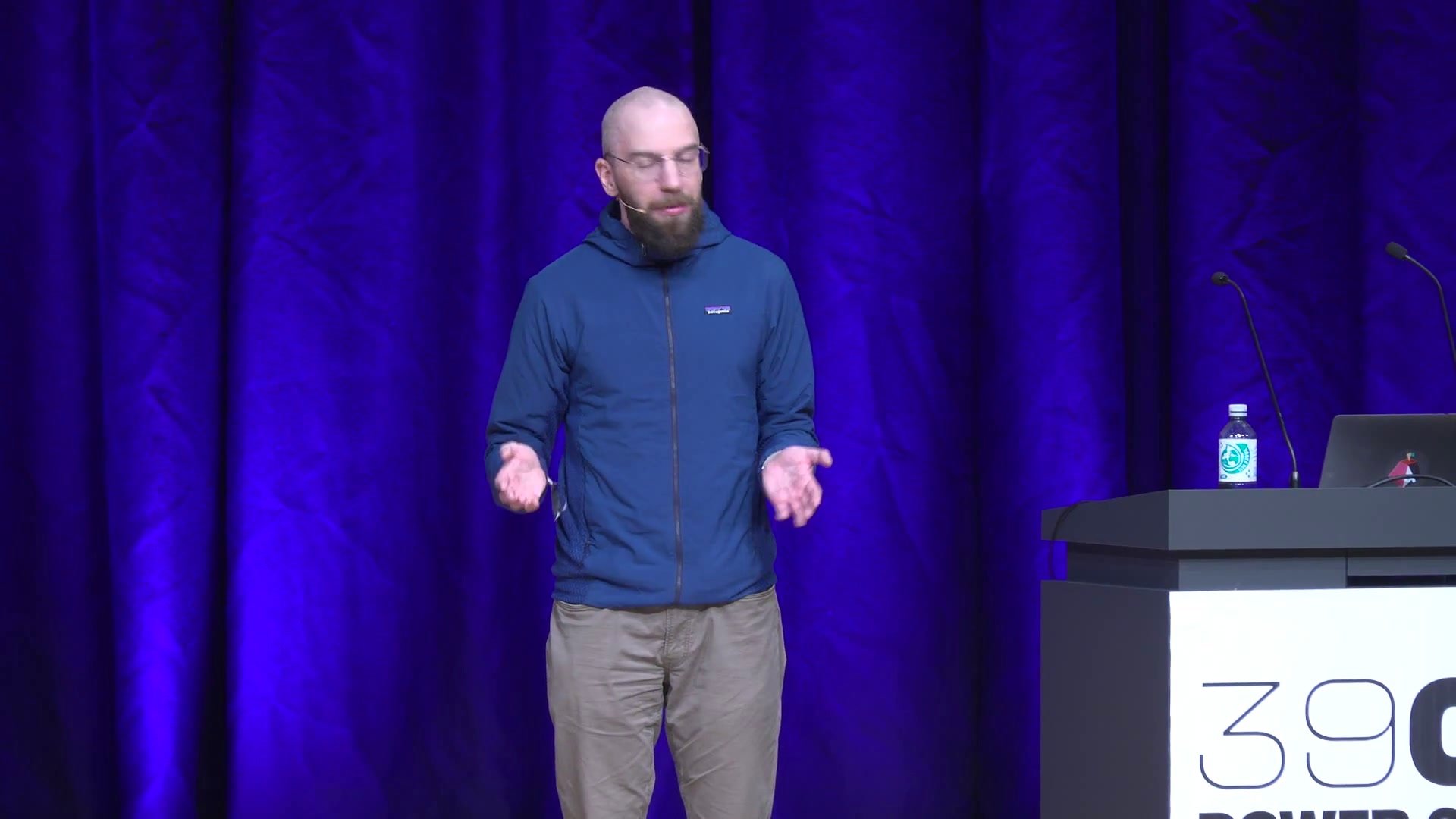
The quest to run Linux on Apple Silicon represents one of modern computing's most significant reverse engineering challenges. Unlike traditional PCs with documented hardware interfaces, Apple's M-series chips operate within a tightly controlled ecosystem where specifications are proprietary and interfaces undocumented. The Asahi Linux project's approach—using a thin hypervisor to trace memory-mapped I/O (MMIO) operations—demonstrates remarkable ingenuity in overcoming these barriers.
Decoding Apple's Hardware Architecture
Apple Silicon integrates components in ways fundamentally different from conventional x86 systems. The M-series chips combine CPU, GPU, neural engine, and peripheral controllers into a single system-on-chip (SoC) with custom interconnects. This integration creates dependencies where enabling basic functionality like USB-C ports requires coordinating across multiple subsystems including PCIe, DisplayPort Alt Mode, and power delivery protocols. The absence of public datasheets meant the Asahi team had to reconstruct hardware interfaces from first principles.
Hypervisor as Microscope
Central to their approach was Asahi's custom hypervisor, which functions as a real-time MMIO tracer. Unlike traditional reverse engineering through disassembly, this technique dynamically intercepts and logs all hardware register accesses made by macOS during operation. By analyzing these traces during various system states (boot, sleep, peripheral connection events), the team reverse-engineered:
- Memory controller initialization sequences
- Power management co-processor communication
- Interrupt routing configurations
- PCIe host bridge configurations
The resulting dataset became the foundation for Linux driver development, with over 50,000 lines of code written to support core components including the M1's Fabric co-processor and Apple's custom interrupt controller.

Upstreaming Challenges
The project maintains a delicate balance between downstream patching and upstream integration. Early versions required extensive out-of-tree modifications, but the team has systematically upstreamed components including:
- Apple DART IOMMU driver
- PCIe host controller driver
- CPU frequency scaling implementation
- Type-C port manager
This upstreaming reduced custom patches from thousands to hundreds of lines. The Type-C subsystem exemplifies the complexity involved—support requires coordination between the USB PD controller, DisplayPort multiplexer, and Apple's custom PMGR (Power Manager) co-processor. Each connection event triggers a choreographed sequence across firmware, kernel subsystems, and hardware controllers.
Future Challenges: M3/M4 and Beyond
Newer Apple Silicon generations introduce additional hurdles:
- Secure Enclave integration: Deeper hardware/firmware coupling for security features
- Heterogeneous cores: Complex scheduling for performance/efficiency core clusters
- Neural Engine access: Reverse engineering matrix computation units
- Unified memory architecture: Optimizing memory bandwidth sharing
The project's progress tracker indicates GPU acceleration remains the most significant outstanding challenge, requiring reverse engineering of Apple's proprietary shader architecture.
Philosophical Implications
This effort transcends technical achievement—it represents a philosophical stance on user freedom. By demonstrating that even tightly integrated hardware can be documented through systematic reverse engineering, Asahi challenges the notion that proprietary ecosystems preclude alternative operating systems. Their methodology establishes patterns for future hardware liberation: structured tracing replaces guesswork, incremental upstreaming ensures sustainability, and transparency creates community momentum.
As Apple continues evolving its silicon, the cat-and-mouse game continues. Yet Asahi's foundational work proves that with sufficient ingenuity, even the most closed systems can yield to persistent open investigation. The project stands as testament to the tenacity required when bridging ideological divides between corporate hardware design and software freedom.
Comments
Please log in or register to join the discussion