
Most SOCs are drowning in tools and noise. This webinar with AirMDR and SACR CEOs cuts through the clutter to show what to build, buy, and automate for real results.
Most security teams today are buried under tools. Too many dashboards. Too much noise. Not enough real progress.
Every vendor promises "complete coverage" or "AI-powered automation," but inside most SOCs, teams are still overwhelmed, stretched thin, and unsure which tools are truly pulling their weight. The result? Bloated stacks, missed signals, and mounting pressure to do more with less.
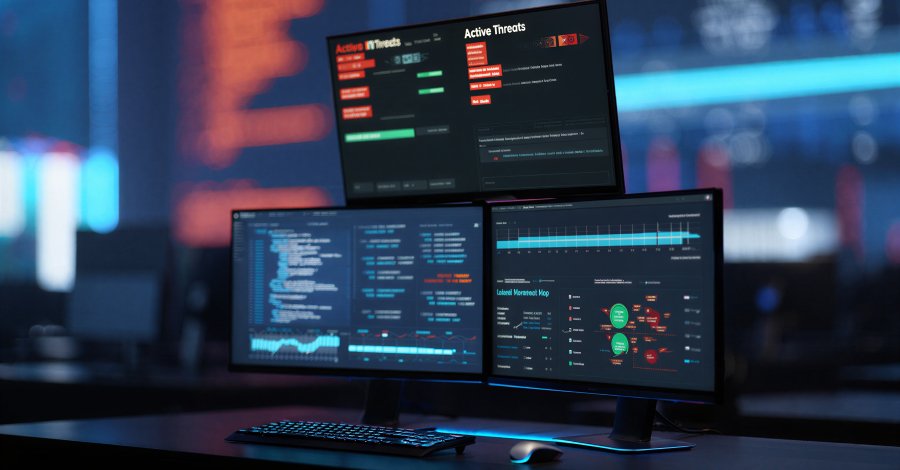
This live session, "Breaking Down the Modern SOC: What to Build vs Buy vs Automate," with Kumar Saurabh (CEO, AirMDR) and Francis Odum (CEO, SACR), clears the fog. No jargon. Just real answers to the question every security leader faces: What should we build, what should we buy, and what should we automate?
The Modern SOC Crisis
Security Operations Centers have become victims of their own success. As threats evolved, so did the tools—but not always in the right direction. Today's SOCs typically feature:
- 15-25 different security tools on average
- 3-5 separate consoles for threat detection and response
- Manual processes that consume 60-80% of analyst time
- Alert fatigue from thousands of daily notifications
- Skills gaps that make hiring and retention difficult
This complexity creates a vicious cycle: more tools generate more data, which requires more analysts, which drives up costs, which leads to more pressure to automate—often poorly.
What You'll Learn in This Webinar
The session goes beyond theory to provide actionable insights:
1. What a Healthy Modern SOC Actually Looks Like
Top-performing teams have moved past the "more tools equals better security" mindset. They've embraced a strategic approach that focuses on:
- Core capabilities that matter most for their specific threat landscape
- Integration-first architectures that reduce tool sprawl
- Automation that enhances, not replaces, human expertise
- Metrics that measure outcomes, not activity
2. Real Customer Case Study
See how one organization transformed their SOC from overwhelmed to optimized. The case study covers:
- Before state: 22 tools, 4 consoles, 300+ daily alerts, 4 analysts
- Transformation approach: Strategic consolidation and automation
- After state: 12 tools, 2 consoles, 50 prioritized alerts, same 4 analysts handling 3x the workload
- ROI: 60% reduction in operational costs, 40% improvement in mean time to detect (MTTD)
3. Side-by-Side SOC Model Comparison
Understand the trade-offs between different SOC approaches:
| Model | Build | Buy | Automate | Best For |
|---|---|---|---|---|
| In-house | High | Low | Medium | Large enterprises with security expertise |
| Managed SOC | Low | High | Low | Organizations needing 24/7 coverage |
| Hybrid | Medium | Medium | High | Mid-sized organizations with some expertise |
| Virtual SOC | Low | Medium | High | Resource-constrained teams |
4. Practical Implementation Checklist
The webinar provides a step-by-step guide to evaluate and optimize your SOC:
Assessment Phase
- Inventory all current tools and their actual usage
- Map tools to specific security outcomes
- Identify redundant capabilities
- Measure current operational metrics
- Survey analyst satisfaction and pain points
Planning Phase
- Define your "must-have" vs "nice-to-have" capabilities
- Set realistic automation targets (start with 20-30% of workflows)
- Create a phased consolidation roadmap
- Budget for both technology and training
- Establish success metrics before making changes
Execution Phase
- Start with high-impact, low-risk automation opportunities
- Consolidate tools in stages, not all at once
- Train analysts on new workflows before full deployment
- Monitor metrics closely during transitions
- Adjust based on real-world feedback
Why This Matters Now
Several factors make SOC optimization urgent:
Budget Constraints: Security budgets are tightening while threats are escalating. Organizations can't afford to maintain bloated tool stacks that don't deliver proportional value.
Skills Shortage: The cybersecurity talent gap continues to widen. Teams need to do more with fewer skilled analysts.
Threat Evolution: Attackers are becoming more sophisticated, requiring faster detection and response times that manual processes can't provide.
Regulatory Pressure: Compliance requirements are increasing, demanding better documentation and evidence of security effectiveness.
Register for the Live Session
If your SOC feels overloaded, underfunded, or always one step behind, this session is your reset point. You'll leave with clarity, not buzzwords—a grounded view of how to strengthen your SOC with the people, tools, and budget you already have.
Budgets are shrinking. Threats are scaling. The noise is deafening. It's time to pause, rethink, and rebuild smarter.
Register for the Webinar ➜ Secure your spot for the live session
Register Free Now—and learn how to simplify your SOC, cut the clutter, and make every decision count.
Related Security News
While optimizing your SOC, stay informed about critical vulnerabilities affecting your infrastructure:
- Critical vm2 Node.js Flaw Allows Sandbox Escape and Arbitrary Code Execution - Read more
- Researchers Find 175,000 Publicly Exposed Ollama AI Servers Across 130 Countries - Read more
- Critical Grist-Core Vulnerability Allows RCE Attacks via Spreadsheet Formulas - Read more
- Fake Moltbot AI Coding Assistant on VS Code Marketplace Drops Malware - Read more
About the Speakers
Kumar Saurabh - CEO of AirMDR, bringing extensive experience in managed detection and response services and SOC optimization strategies.
Francis Odum - CEO of SACR, specializing in security automation and helping organizations streamline their security operations.
Both speakers bring real-world experience from working with hundreds of organizations to solve the exact challenges you're facing today.
Comments
Please log in or register to join the discussion