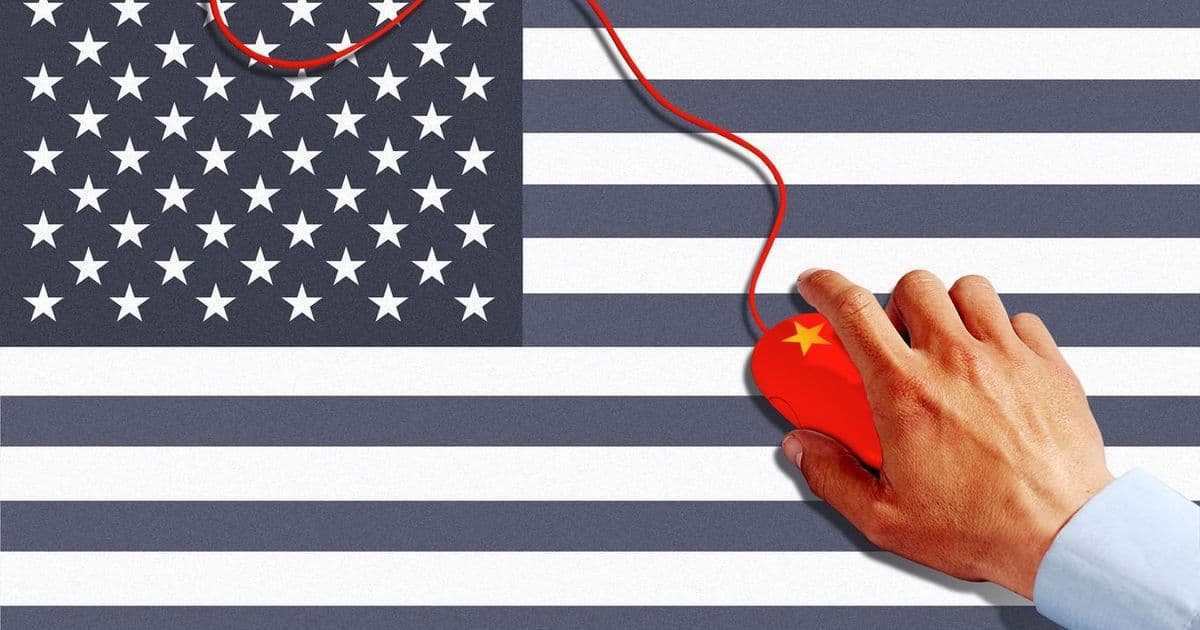
Chinese state-sponsored hackers are impersonating authentic U.S. government policy documents in targeted phishing attacks against Western entities, leveraging geopolitical credibility to bypass security defenses.
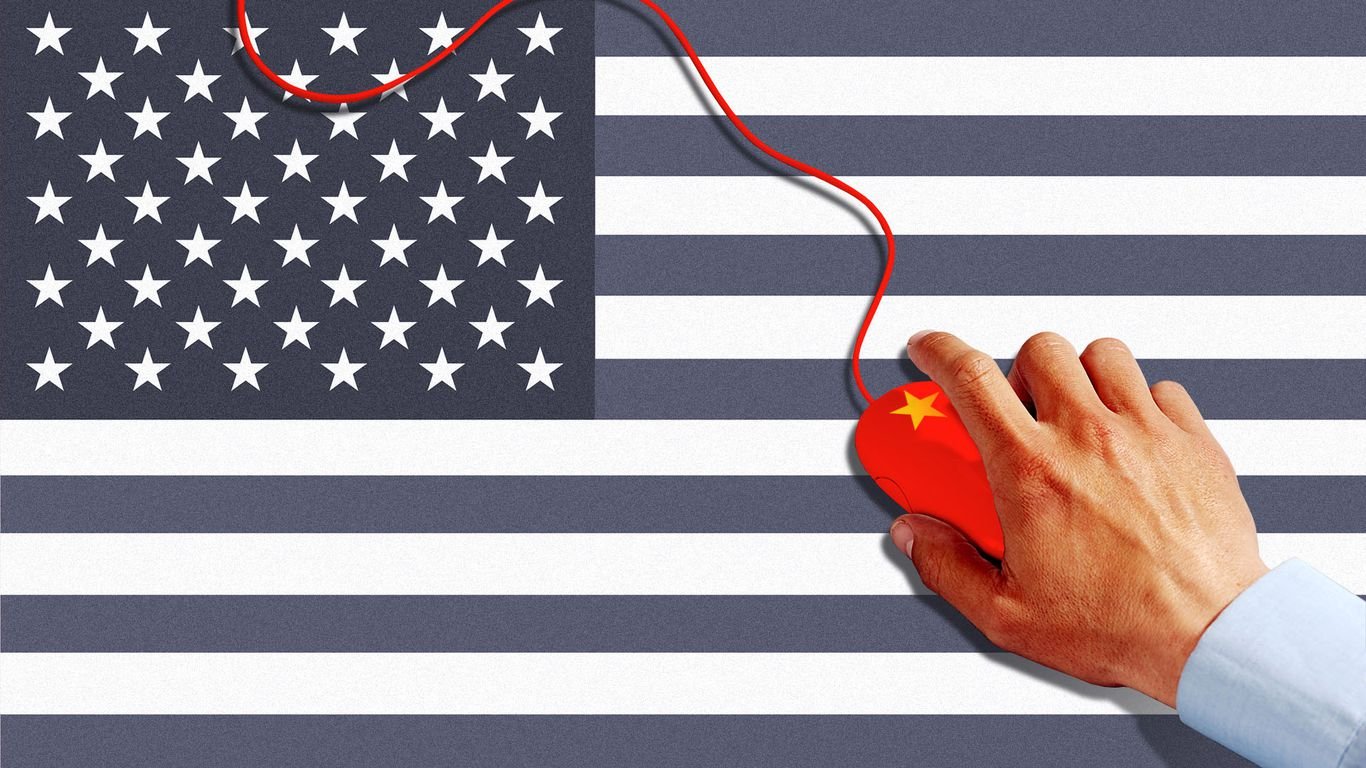
State-sponsored Chinese hacking groups have escalated cyber espionage operations by crafting phishing emails that replicate authentic U.S. government policy briefings, according to cybersecurity researchers. This tactic exploits the perceived legitimacy of official documents to compromise high-value targets in government, defense, and policy organizations.
The campaign involves spoofed emails containing malicious attachments or links disguised as Congressional Research Service reports, White House policy analyses, and State Department briefings. Attackers replicate formatting, logos, and language patterns from genuine documents to evade detection. Recent incidents show compromised emails referencing actual legislative topics like semiconductor export controls and Taiwan policy discussions.
Phishing remains the primary attack vector for 74% of all cyber espionage incidents, with state-sponsored groups accounting for 23% of breaches according to IBM's 2023 Cost of a Data Breach Report. The FBI Internet Crime Complaint Center recorded over 300,000 phishing complaints in 2022, totaling $52 million in losses. Attacks impersonating government entities increased 38% year-over-year.
This strategy provides three strategic advantages:
- Credibility Exploitation: Authentic document formats trigger lower suspicion thresholds
- Targeted Relevance: Policy-focused lures attract government/think tank personnel
- Evasion Enhancement: Mimicking trusted sources bypasses email security filters
Microsoft Threat Intelligence confirms Chinese groups STORM-0558 and VOLT TYPHOON increasingly use geopolitical themes in social engineering. The Cybersecurity and Infrastructure Security Agency (CISA) recently updated advisories on Chinese cyber tactics, noting a shift toward 'content-aware phishing' that leverages current events.
Defensive recommendations include:
- Implementing DMARC email authentication protocols
- Deploying attachment sandboxing solutions like those from FireEye or CrowdStrike
- Conducting policy-document simulation training for staff
- Monitoring for document metadata anomalies using tools like Proofpoint's Targeted Attack Protection
Mandiant's analysis indicates these campaigns often deliver custom malware like TURIAN and COATHANGER, which establish persistent access to exfiltrate intellectual property and diplomatic communications. The economic impact extends beyond direct theft, with the U.S. Chamber of Commerce estimating state-sponsored IP theft costs U.S. businesses $600 billion annually.
As geopolitical tensions influence cyber tactics, organizations handling policy matters should assume their communications are high-value targets. Continuous validation of document authenticity and zero-trust architecture implementation represent critical countermeasures against these evolving threats.
Comments
Please log in or register to join the discussion