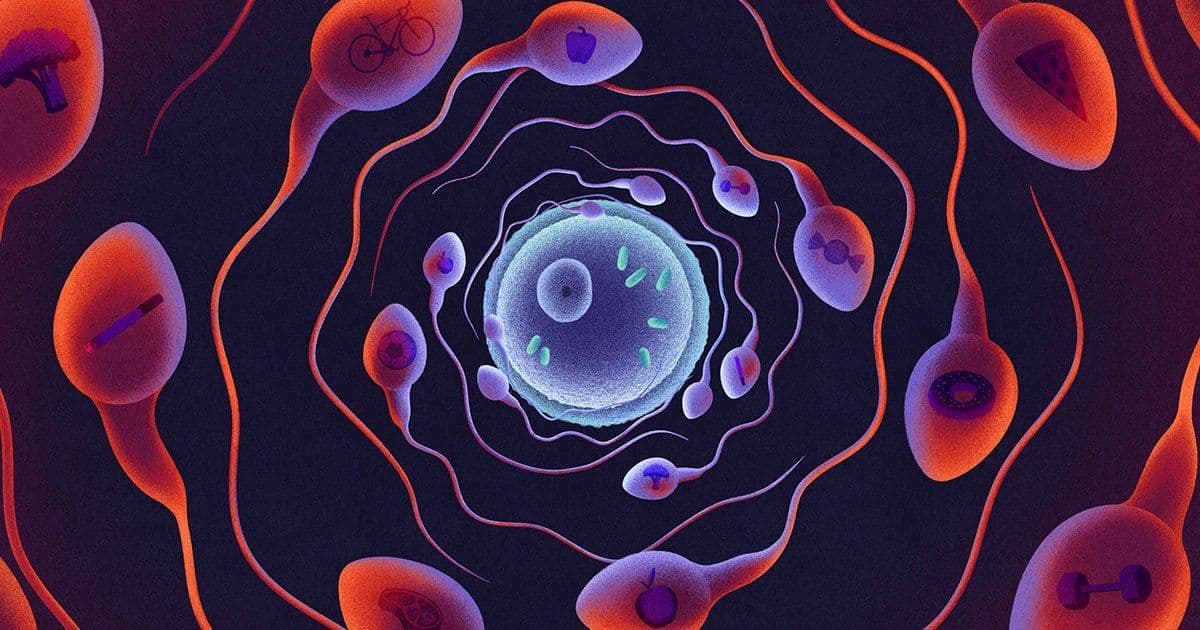
Groundbreaking research reveals that fathers transmit more than DNA through sperm—RNA molecules encode information about diet, exercise, and stress, influencing offspring metabolism and resilience. Studies in mice and humans demonstrate this epigenetic pathway challenges traditional views of heredity, with implications for understanding intergenerational health.
For decades, biology textbooks depicted sperm as mere DNA delivery vehicles. Now, nearly two decades of research are rewriting that narrative: A father's lived experiences—from exercise habits to dietary choices—are packaged into sperm RNA molecules that actively shape his offspring's development.
Rewriting Heredity
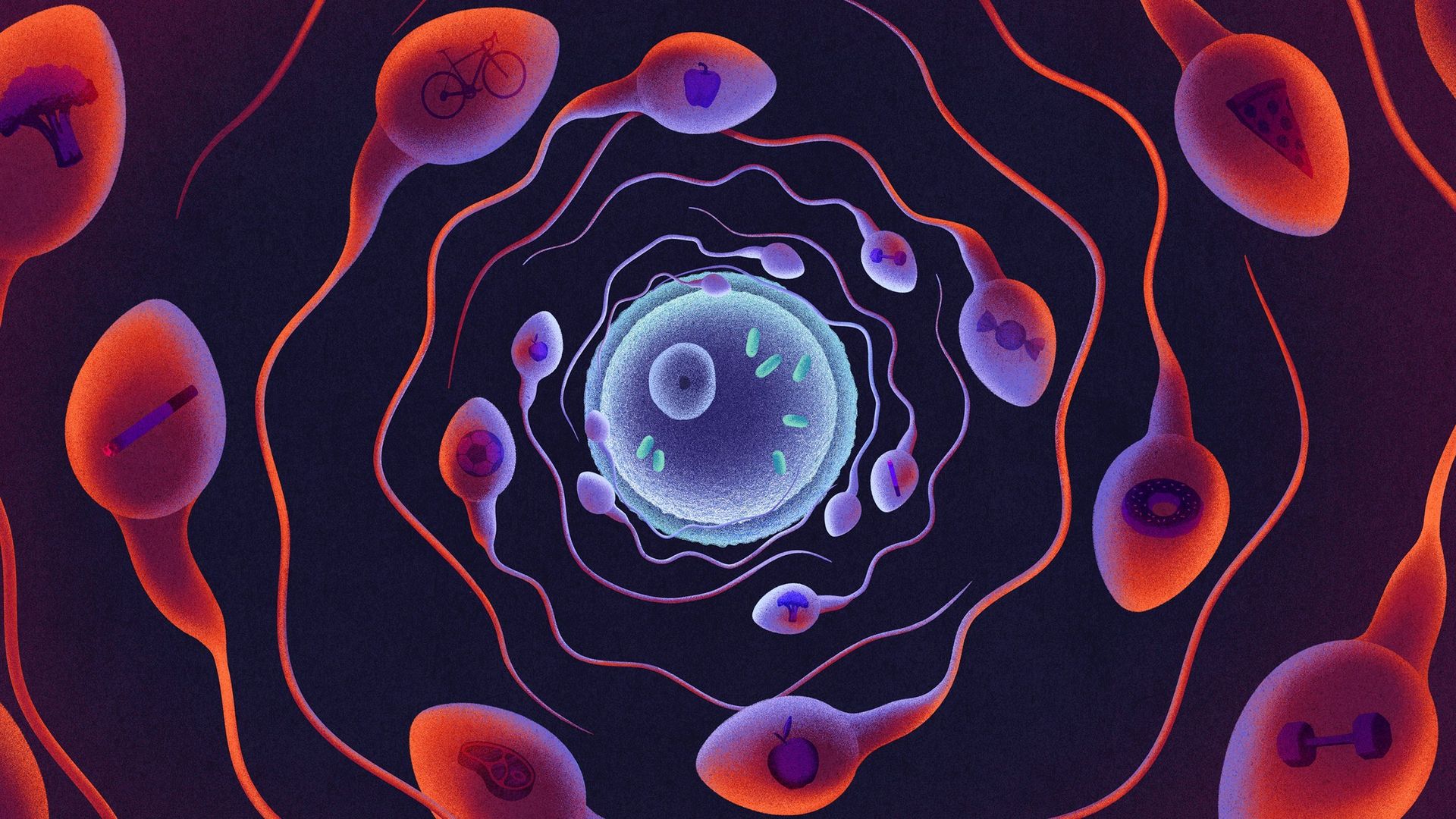 Studies from labs worldwide confirm sperm carry RNA "stowaways" that reflect paternal environment. When Qi Chen's team injected RNA from high-fat-diet mice into zygotes, offspring developed metabolic disorders. Oliver Rando's nicotine-exposed mice passed detoxification advantages to pups. "This shows acquired traits can be ‘memorized’ in sperm and inherited," Chen explains, dubbing this the "sperm RNA code."
The Transmission Mechanism
Three critical steps enable this epigenetic inheritance:
- Experience Encoding: Environmental factors (diet/stress/exercise) alter RNA profiles in bodily tissues
- Sperm Packaging: Epididymal extracellular vesicles shuttle RNAs into maturing sperm during their 1-2 week maturation
- Embryonic Reprogramming: Sperm RNAs suppress key genes in early development, altering mitochondrial function and metabolism
{{IMAGE:4}} Rando's research identifies the epididymis as crucial: "This organ ‘sees’ the world and alters RNAs delivered to sperm." Isabelle Mansuy's trauma studies show stress-induced RNA changes persist for five mouse generations via extracellular vesicles.
The Exercise Blueprint
A November 2025 Cell Metabolism study demonstrated concrete mechanisms: Well-exercised male mice had elevated sperm microRNAs targeting metabolic genes. When transferred to zygotes, these RNAs boosted offspring endurance by 30% through enhanced mitochondrial function. Crucially, identical microRNAs were elevated in human males after 8 weeks of aerobic training.
Unresolved Mysteries
While evidence mounts—"It's impossible to ignore," says Colin Conine—key questions remain:
- How do sperm RNAs overcome the egg's molecular dominance?
- What other molecules (lipids/metabolites) participate?
- Can findings translate to human health guidance?
{{IMAGE:5}} Researchers emphasize caution: "We're blind men describing different parts of the same elephant," Chen notes. Yet as Rando reflects, this emerging field suggests our choices today may resonate in future generations through RNA-written postscripts to our genetic legacy.
Comments
Please log in or register to join the discussion