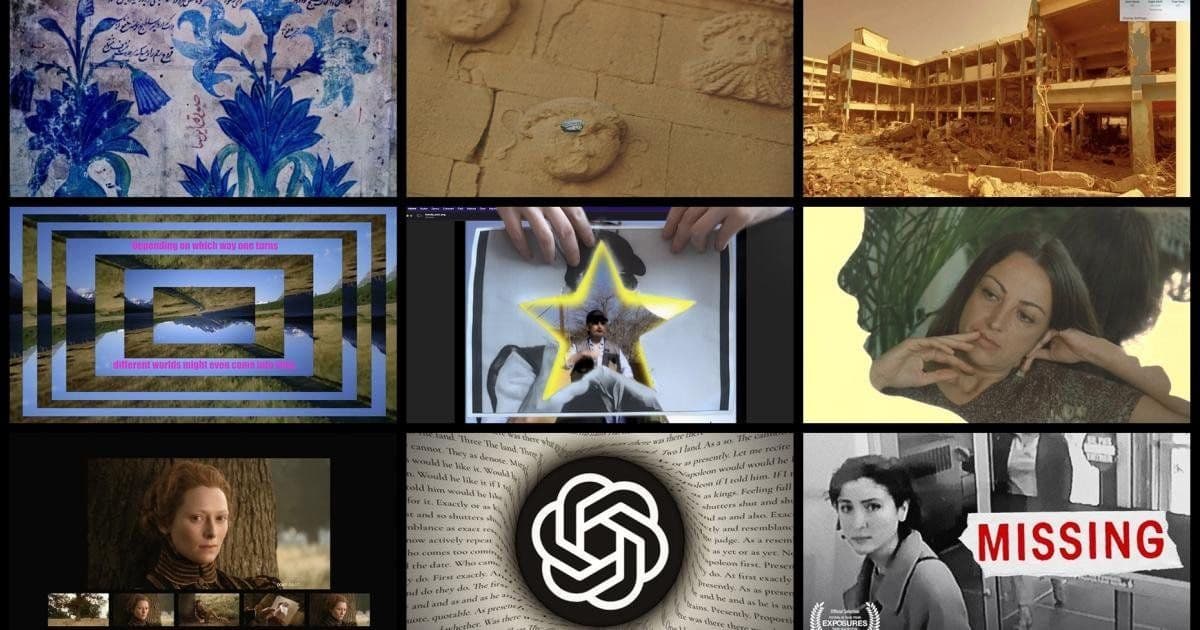
The ninth Sight & Sound video‑essay poll not only records a record‑breaking turnout but also maps a shifting ecosystem where academia, festivals, and YouTube intersect. From archival archaeology to AI‑mediated critique, the data expose how creators are negotiating visibility, platform fragmentation, and the politics of what gets seen. The story underscores the growing power of the video‑essay form as a hybrid scholarly‑creative practice that is reshaping how we talk about cinema.
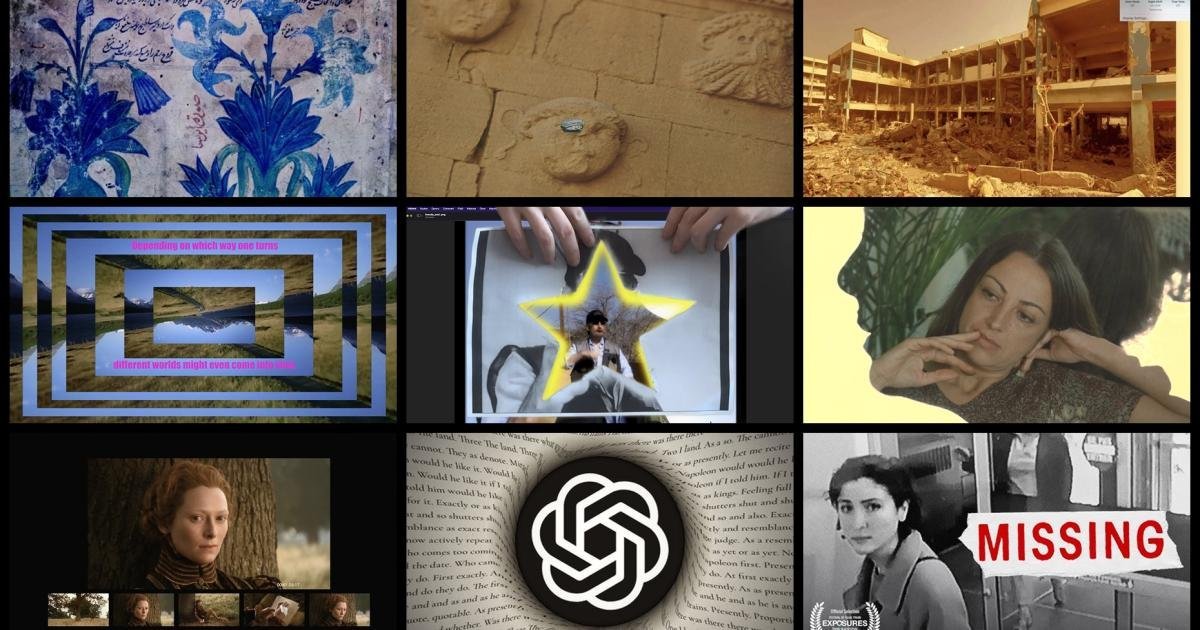
The Video Essay Revolution
In a year when the line between scholarship, art, and internet culture continues to blur, the ninth edition of Sight & Sound’s dedicated video‑essay poll has produced a record‑breaking 72 participants and 255 distinct essays. The data, released by the British Film Institute (BFI), illuminate a field that is no longer a niche curiosity but a thriving ecosystem of creators, critics, and curators who wield the video‑essay as a hybrid medium of research, critique, and performance.
Three Ecosystems in Conflict and Convergence
The poll’s breakdown shows a near‑parity among three main stakeholder groups:
| Ecosystem | Voters | Essays Mentioned |
|---|---|---|
| Academia & film/media criticism | 34 | 94 |
| Festivals, museums & galleries | 17 | 65 |
| Social media & YouTube | 21 | 96 |
While the numbers overlap only marginally, the very fact that each sphere is citing a distinct set of works points to a deeper fragmentation. In academia, the focus is on archival and historiographic approaches—think The Return of the Star Wipe by Jiří Anger and Veronika Hanáková, or the special issue Audiovisual Approaches and the Archive edited by John Gibbs. In the festival circuit, immersive experiences dominate, with works like Maryam Tafakory’s Daria’s Night Flowers (see  ) celebrated for their cinematic depth. On YouTube, the trend leans toward self‑reflexive, AI‑critical essays, such as josh (with parentheses)’s You are a better writer than AI. (Yes, you.).
“videographic criticism is feeling its archival fantasy.” – Alison Peirse
This quote captures a central tension: the desire for rigorous archival scholarship collides with the immediacy of algorithmic feeds. The result is a form that is at once scholarly and performative, archival and speculative.
Accessibility: The Invisible Barrier
A recurring theme in the poll is accessibility. Voters from all three ecosystems lament the sheer volume of content and the difficulty of curating a coherent view‑list. In academia, the problem is compounded by the decline of Vimeo—once the de‑facto platform for academic video essays—and the need for peer‑reviewed dissemination. Meanwhile, festival‑based essays often remain offline, making them invisible to a wider audience.
The BFI’s data suggest that the most‑voted essay in academia, The Return of the Star Wipe, has a modest view count despite its scholarly pedigree. By contrast, You are a better writer than AI amassed a larger audience on YouTube, illustrating how platform visibility can eclipse content depth.
Algorithmic Visibility vs. Scholarly Credibility
YouTube’s recommendation engine rewards watch time and engagement, which can advantage more sensational or stylised videos. Academic essays, which often rely on dense analysis and archival footage, may struggle to meet those metrics. The poll highlights this mismatch: the most‑voted works in each ecosystem rarely cross‑pollute the others.
This fragmentation has prompted creators to adopt survival strategies—personal networks, workshop screenings, or algorithmic targeting—to get their work seen. The question remains: does this survival mode dilute scholarly rigor, or does it force a new form of hybrid critique that blends research with performative storytelling?
AI, Self‑Reflexivity, and the Future of Video Essays
The 2025 poll’s top YouTube entries reflect a generational shift. Early YouTubers were inspired by film and literature; now, creators like josh (with parentheses) and Jacob Geller interrogate AI models such as ChatGPT, using the video‑essay format to explore the ethics of language generation.
“The purpose of writing is to meet with another person.” – Josh
Josh’s work exemplifies a broader trend: video‑essayists are turning the medium itself into a research tool. By embedding AI‑generated text, they expose the algorithmic biases that shape our cultural narratives. This meta‑critique is a form of digital ethnography—analyzing how AI systems mediate meaning.
The intersection of AI and video essays also raises practical questions for developers: how do we embed dynamic, AI‑generated content into a video‑essay platform? The answer lies in modular, API‑driven workflows that allow creators to pull in real‑time data, embed it in a narrative structure, and then export a finished product that can be shared across Vimeo, YouTube, or institutional repositories.
Platform Fragmentation and the Role of Institutional Gatekeepers
The BFI’s poll underscores the role of institutional gatekeepers in shaping visibility. Academic journals, festival programs, and museum curators still control the “official” channels through which essays reach a wider audience. Yet the rise of YouTube and other social platforms has democratized distribution.
One solution emerging from the field is the concept of multiplatform curation. Creators now produce a base video‑essay and then adapt it for different ecosystems: a short, high‑engagement edit for YouTube, a longer, more analytical version for a scholarly journal, and a curated screening for a festival. This strategy requires a flexible production pipeline—something that software developers can facilitate by building modular editing tools that support multi‑format export.
The Bottom Line
The 2025 Sight & Sound poll is more than a tally of favorites; it is a snapshot of a field in flux. Video‑essays are no longer a fringe form but a crucial node in the network of film criticism, bridging academic rigor, artistic experimentation, and algorithmic culture.
For developers and technologists, the implications are clear:
- Platform APIs matter – The ability to pull in external data (e.g., AI‑generated text, social‑media metrics) can transform a static essay into an interactive, data‑rich experience.
- Modular workflows enable multiplatform publishing – Editors and studios need tools that allow a single project to be exported in multiple formats and resolutions, each tailored to its audience.
- Visibility algorithms can be mitigated – By understanding how recommendation engines work, creators can design content that balances engagement with depth.
As video‑essayists continue to push the boundaries—experimenting with archival footage, AI critique, and immersive screenings—the field will likely become a fertile ground for new software solutions that support hybrid scholarship and creative production.
The BFI’s poll not only maps the current landscape but also points toward a future where video‑essays serve as a living archive, a platform for AI critique, and a bridge between academia and the public. The next generation of tools will need to support this hybrid reality, ensuring that the form can continue to evolve while staying true to its roots in critical inquiry.
Source: BFI Sight & Sound 2025 Video Essay Poll – https://www.bfi.org.uk/sight-and-sound/polls/best-video-essays-2025
Comments
Please log in or register to join the discussion