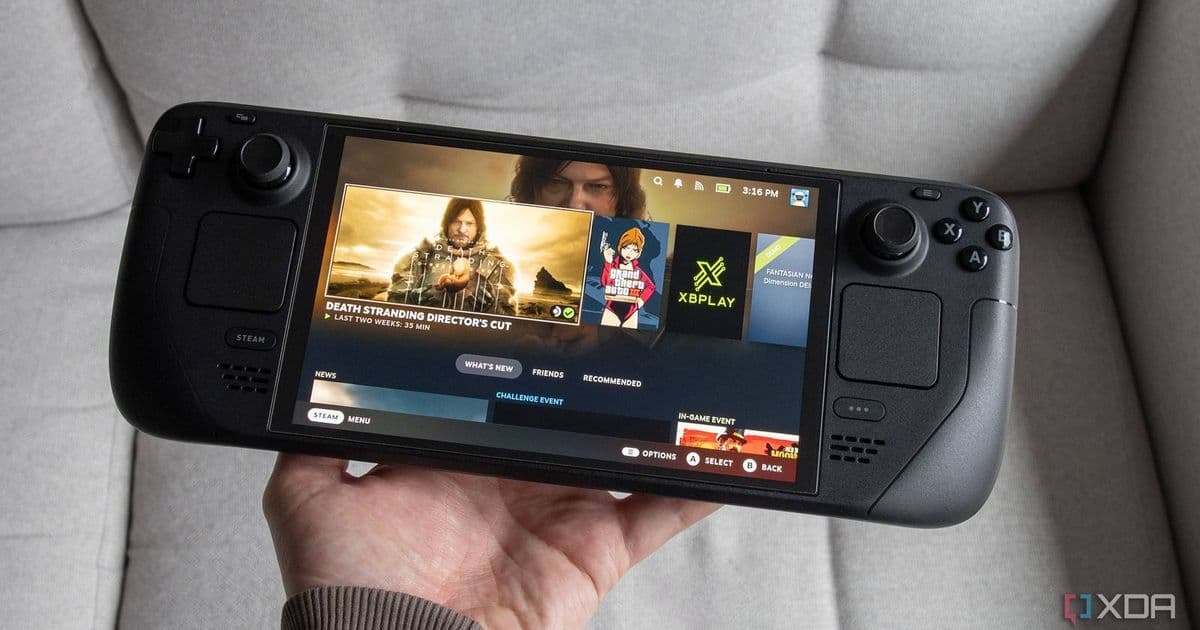
Valve has significantly increased Steam Deck OLED prices due to hardware shortages and rising component costs, with the 512GB model jumping from $549 to $789 and the 1TB model from $649 to $949, while discontinuing the LCD model entirely.
The Steam Deck OLED has received a substantial price increase, reflecting the ongoing challenges in the hardware supply chain. Valve has updated the pricing for its handheld gaming PC, with the 512GB model now costing $789, up from the original $549, while the 1TB version has increased from $649 to $949. This represents a price increase of approximately 44% for the 512GB model and 46% for the 1TB model.
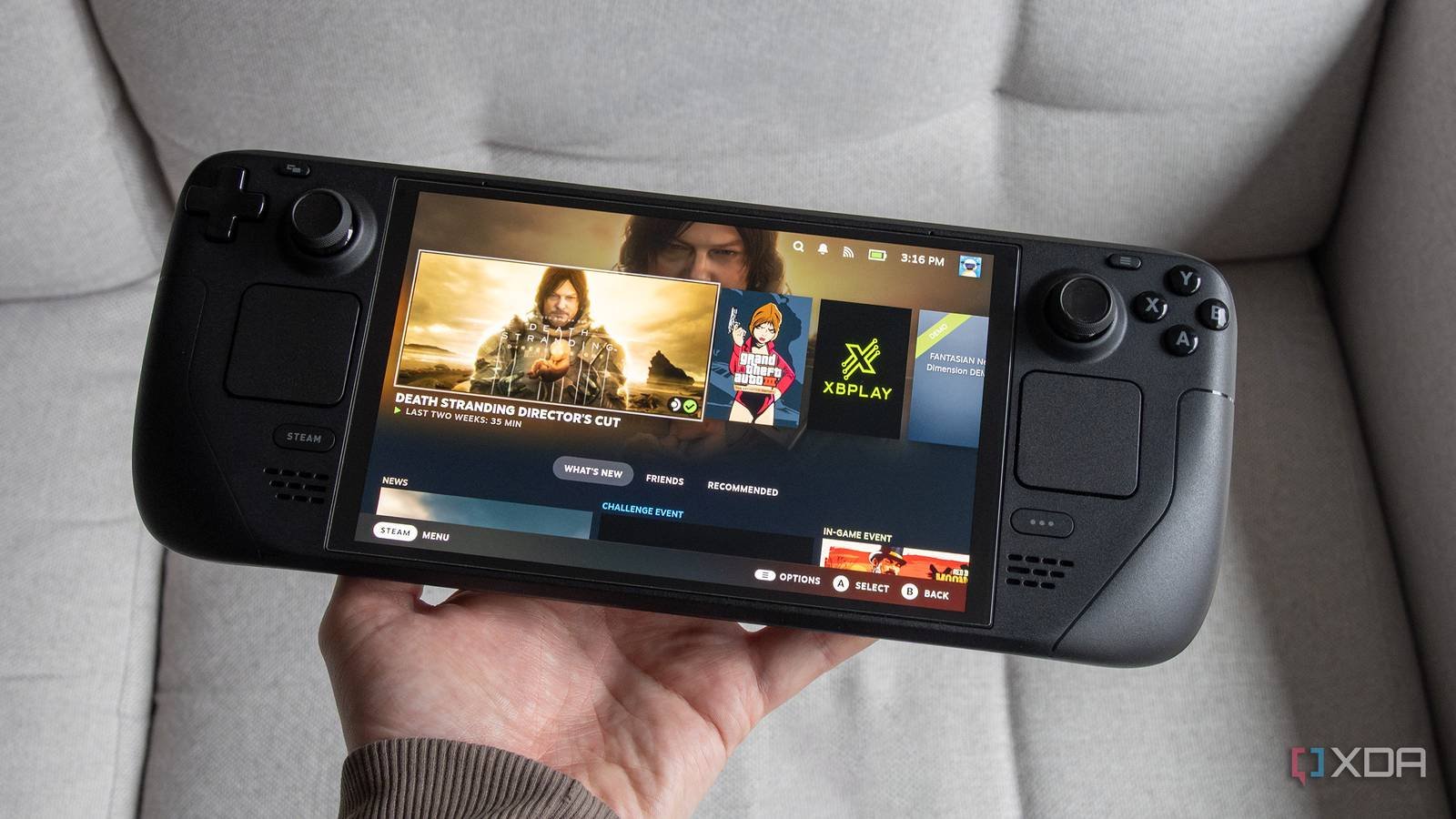
The LCD model, which previously served as the entry-level option, was discontinued by Valve approximately six months ago. With this change, the 512GB OLED model now serves as the new entry-level offering for consumers interested in Valve's handheld gaming PC.
This price adjustment comes as no surprise to industry observers who have been tracking the component shortages affecting the tech industry. RAM prices have been particularly volatile, with significant increases impacting manufacturers across the board. Valve had maintained stable prices for the Steam Deck since its initial release, but the company has now been forced to adjust in response to market conditions.
The Steam Deck has faced several hardware-related challenges since its launch. Production delays have been common, with supply struggling to meet demand. These issues have been compounded by global supply chain disruptions and increased component costs affecting the entire electronics industry.
For consumers, this price increase represents a significant barrier to entry. The Steam Deck had positioned itself as a relatively affordable alternative to traditional gaming PCs and other handheld devices. With this price jump, the value proposition becomes less clear, especially when compared to competitors in the handheld gaming market.
Developers who have been targeting the Steam Deck platform may need to reconsider their pricing strategies for games on the platform. With a higher initial hardware cost, consumers might be more selective about their game purchases, potentially impacting sales for indie developers and smaller studios.
The price increase also raises questions about the future of handheld gaming PCs. If hardware costs continue to rise, we may see a consolidation in the market with fewer options available to consumers. This could potentially stifle innovation in the space if companies are hesitant to invest in new hardware development.
Valve has not specified whether this price increase is permanent or if it represents a temporary adjustment in response to current market conditions. The company has a history of revising pricing and hardware configurations based on component availability and cost, so future changes remain possible.

For those considering purchasing a Steam Deck, the timing of this price increase is unfortunate. The device had gained a strong following among gamers looking for a portable PC gaming experience. The price jump may cause some potential buyers to delay their purchases or consider alternative options.
The Steam Deck OLED, despite the price increase, still offers several advantages over its LCD predecessor. The OLED display provides better contrast, deeper blacks, and more vibrant colors, which can enhance the gaming experience. Additionally, the OLED model features improved battery life compared to the original LCD version.
As the handheld gaming PC market continues to evolve, it will be interesting to see how Valve responds to these challenges. The company has a history of innovation in the PC gaming space, and it remains to be seen whether additional hardware revisions or software optimizations will be introduced to maintain the Steam Deck's competitive position.
For now, consumers will need to weigh the benefits of the Steam Deck OLED against its increased price point. The device remains a unique offering in the handheld gaming market, but the significant price increase may give pause to some potential buyers.
Comments
Please log in or register to join the discussion