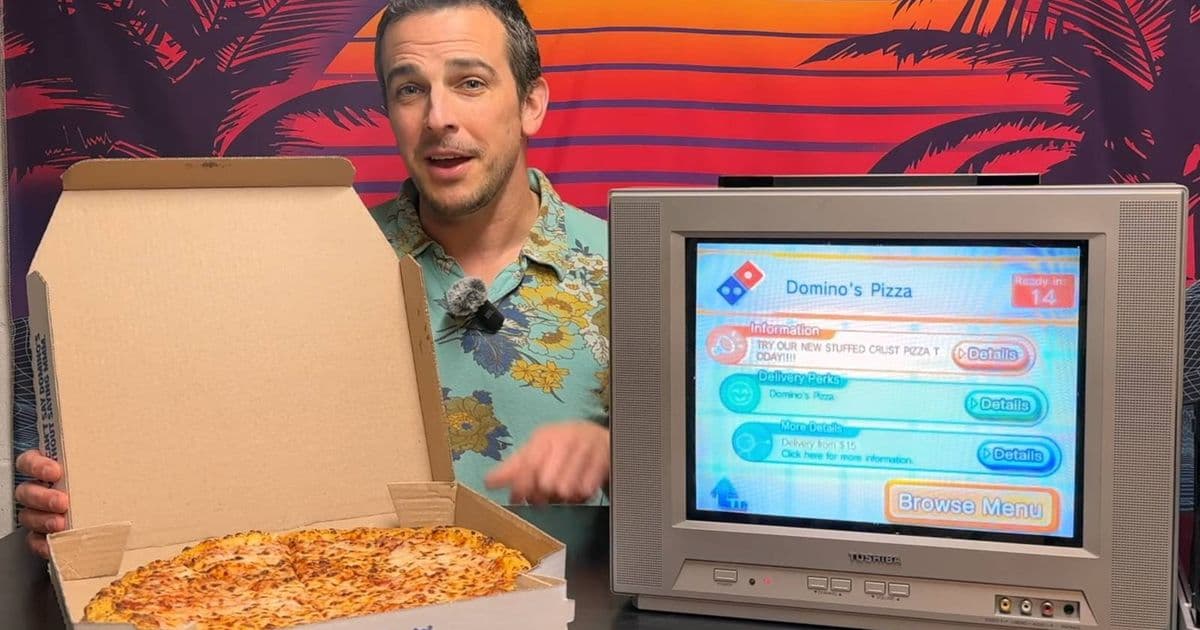
A recent viral story about someone successfully ordering a pizza through a decade-old Wii homebrew app reveals more than just a quirky nostalgia trip—it highlights how open platforms and community-maintained software outlast their official support cycles, keeping hardware useful long after manufacturers move on.
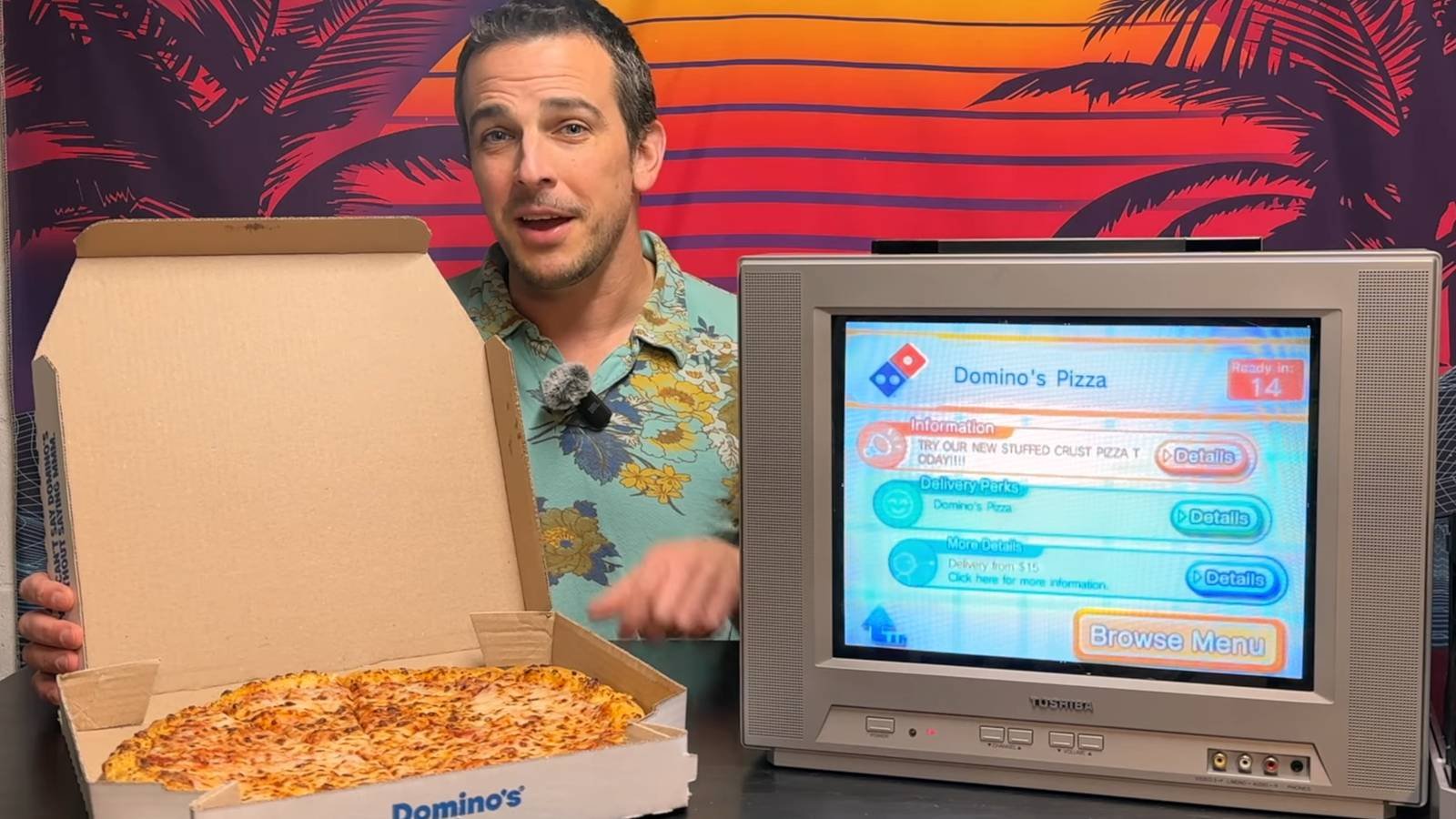
The Nintendo Wii launched in 2006 with a simple premise: motion controls and accessible gaming for everyone. By 2017, Nintendo had officially discontinued the console's online services, leaving the once-connected device to fade into offline obscurity. Yet in January 2026, a user discovered that a homebrew application called "Pizza Hut Channel"—originally released as a promotional gimmick in 2009—still functions perfectly, allowing them to order a large pepperoni pizza directly from their Wii's main menu.
This isn't just a fun party trick. It's a window into how open software ecosystems preserve hardware functionality long after official support dies, and why that matters for device ownership.
The Pizza Hut Channel: A Relic of Web 2.0
The Pizza Hut Channel was never an official Nintendo product. It was a promotional app released through the Wii Shop Channel during the console's peak, allowing users to browse the menu and place orders without leaving the Wii's interface. The app used simple HTTP requests to communicate with Pizza Hut's ordering API—a common pattern for early web services.
What makes this story remarkable is that the app still works in 2026, seventeen years after the Wii's launch and long after Nintendo shut down the Wii Shop Channel in 2019. The app wasn't updated by Pizza Hut or Nintendo, yet the underlying API endpoints it relies on remain active.
This persistence reveals something important about web service architecture. Pizza Hut's ordering system has evolved, but the core API endpoints that the Wii app calls likely remain backward-compatible. Modern APIs often maintain legacy endpoints to avoid breaking older integrations, whether they're enterprise systems or, apparently, decade-old gaming consoles.
Homebrew: The Lifeline of Abandoned Hardware
The Pizza Hut Channel's continued existence is only possible because of the Wii's homebrew community. When Nintendo discontinued official Wii services, they didn't brick the console or remove its ability to run unsigned code. The Wii's security was eventually cracked, allowing users to install custom firmware and run homebrew applications.
This is where the story becomes relevant to modern device ownership debates. The Wii's homebrew scene kept the console alive:
- Preserved functionality: Apps like the Pizza Hut Channel were archived and can still be installed on modded Wiis
- Extended connectivity: Homebrew apps can bridge old hardware to modern services
- Community maintenance: Enthusiasts keep these systems working through patches and workarounds
Without homebrew, the Pizza Hut Channel would be lost media—functional code trapped on servers that no longer exist. With it, the app lives on as a piece of internet history that still works.
Why This Matters for Modern Devices
The Wii's story mirrors what's happening with modern devices, just at a faster pace. Consider:
Smartphones: When manufacturers stop providing OS updates, apps eventually break as APIs change. iOS and Android devices have limited lifespans before they become "too old" to run modern apps.
Smart home devices: Cloud-connected thermostats, doorbells, and lights become paperweights when companies shut down servers or discontinue products.
Game consoles: Modern consoles like the PS5 and Xbox Series X rely heavily on online services. When those services eventually end, will the hardware retain any standalone value?
The Wii's homebrew scene demonstrates that open platforms can extend hardware life indefinitely. The console's architecture allowed community developers to:
- Archive software: Preserve apps and games before servers shut down
- Create compatibility layers: Bridge old hardware to modern services
- Maintain security: Patch vulnerabilities while keeping the platform open
The Trade-offs of Open Platforms
This isn't to say open platforms are without issues. Nintendo's relatively loose security allowed the Wii's homebrew scene to flourish, but also enabled piracy. Modern manufacturers lock down devices more tightly, citing security and intellectual property concerns.
Yet the Pizza Hut Channel story shows the upside of open platforms. A user in 2026 can:
- Mod their Wii with relatively simple tools
- Install an archived promotional app from 2009
- Use it to order dinner
Try doing that with a 2009 smart TV or a first-generation iPad. Those devices are either locked down or their software ecosystems have completely collapsed.
What Pizza Ordering Teaches Us About Device Longevity
The Pizza Hut Channel's survival comes down to three factors:
1. Simple API design: The app uses basic HTTP requests that don't require complex authentication or encryption. Modern apps with OAuth 2.0, certificate pinning, and constant token refresh would be much harder to preserve.
2. Backward compatibility: Pizza Hut hasn't broken their old API endpoints. This is deliberate engineering choice that costs nothing but preserves functionality for edge cases.
3. Community preservation: Homebrew enthusiasts maintain archives of Wii software and knowledge. Without this collective effort, the Pizza Hut Channel would be lost.
These factors point to a broader principle: the simpler and more open a system is, the longer it lasts.
Practical Implications for Tech Consumers
If you're thinking about device longevity when making purchases, consider:
Openness matters: Devices that can be modified or run unsigned code have longer useful lifespans. This applies to routers (OpenWrt), phones (custom ROMs), and even cars (OBD-II tuning).
Simple protocols beat complex ones: A device using standard HTTP/HTTPS is more future-proof than one requiring proprietary SDKs or constant cloud connections.
Community support is valuable: A device with an active homebrew or modding community will outlast one that's completely locked down.
The Future of Food Ordering from Old Hardware
The Pizza Hut Channel's continued functionality is charming, but it's also a warning. Modern devices are becoming increasingly locked down and cloud-dependent. The PS5 and Xbox Series X have limited offline functionality. Smartphones require constant OS updates to remain secure and functional.
The Wii's story suggests we should push for:
- Right to repair: Legislation allowing device modification
- Open APIs: Public documentation of service endpoints
- Long-term support: Companies maintaining backward compatibility
A Slice of Computing History
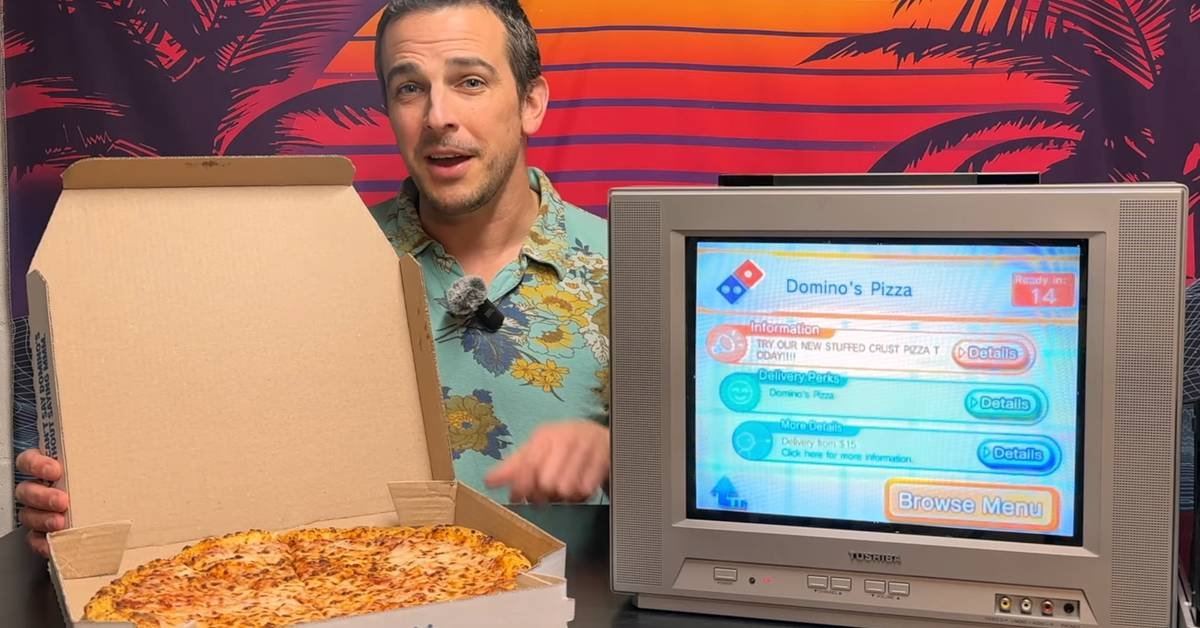
The fact that you can still order a pizza from a Wii in 2026 is more than a novelty. It's proof that open platforms and community effort can keep technology alive far beyond its intended lifespan.
The Wii was never designed to be a long-term appliance. It was a gaming console with a five-to-seven-year lifecycle. Yet here we are, nearly two decades later, and with a few software modifications, it's still a functional internet device.
For consumers, the lesson is clear: when buying technology, consider its long-term potential. A locked-down device might offer convenience today, but an open platform offers longevity tomorrow.
The next time you upgrade your phone or buy a smart device, ask yourself: will this still work in twenty years? If the answer depends on a company's servers, the answer is probably no.
But if it's open and modifiable? You might still be ordering pizza with it in 2040.
Related Resources:
- WiiBrew Wiki - Community documentation for Wii homebrew
- Pizza Hut API Documentation - Modern API info (legacy docs archived)
- Internet Archive's Wii Software Collection - Preserved homebrew and promotional apps
- OpenWrt Project - Example of open firmware extending router lifespans
Comments
Please log in or register to join the discussion