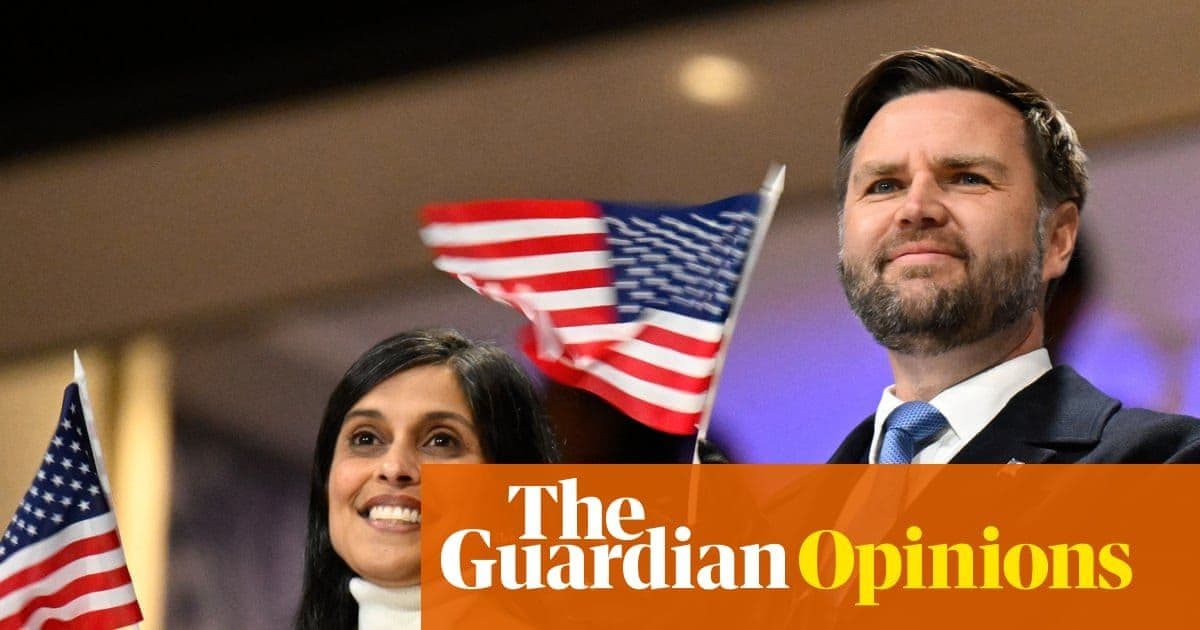
NBC's coverage of the Winter Olympics opening ceremony omitted the audible boos directed at JD Vance, raising questions about editorial choices and the real risks facing American broadcasters in an era of global media.
The world heard JD Vance being booed at the Olympics. Except for viewers in the US
Bryan Armen Graham in Milan
The real risk for American broadcasters is not that dissent will be visible. It is that audiences will start assuming anything they do not show is being hidden
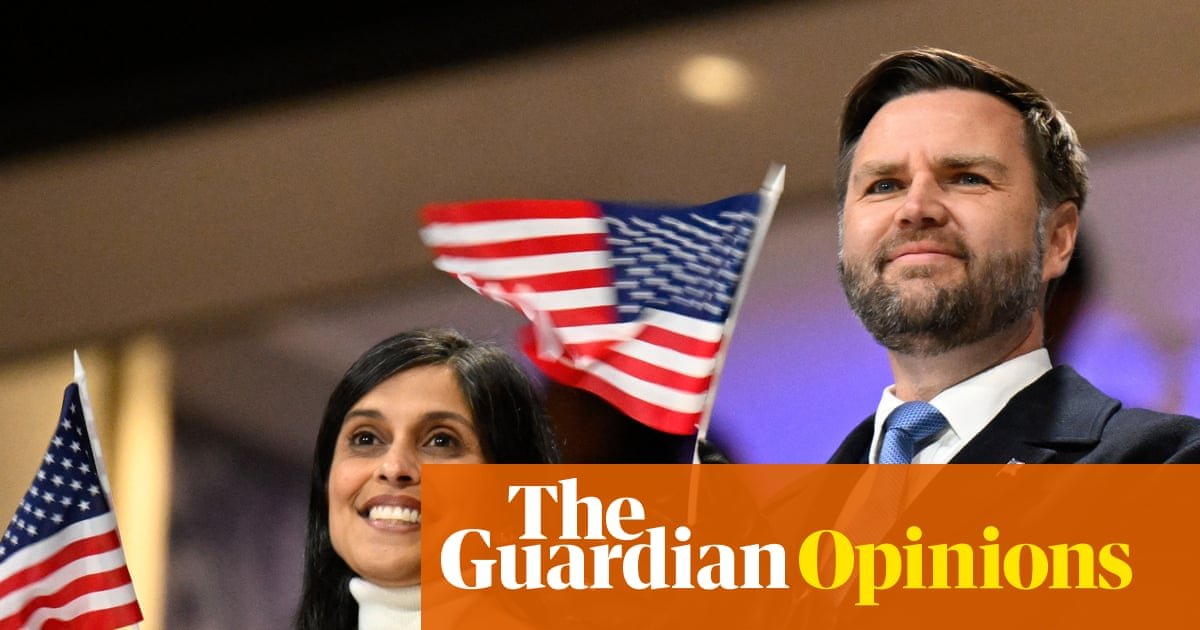
When JD Vance and second lady Usha Vance appeared on screen during the opening ceremony of the Winter Olympics in Milan, the international broadcast captured something that American viewers did not hear: audible boos from the crowd. While the visual of the vice president and his wife was broadcast to US audiences, NBC's coverage notably omitted the crowd's reaction, presenting a sanitized version of the event that diverged from what the rest of the world experienced.
The incident highlights a growing tension in sports broadcasting between presenting unfiltered reality and managing potentially controversial content. NBC, which holds exclusive rights to Olympic coverage in the United States, has long faced criticism for its editorial decisions that some viewers perceive as overly protective or politically motivated.
This isn't the first time Olympic broadcasts have faced scrutiny over what they choose to show or omit. During previous games, broadcasters have grappled with how to handle protests, political statements, and crowd reactions that might be deemed sensitive. The decision to mute the boos directed at Vance represents a continuation of this pattern, but it also raises questions about transparency and the evolving expectations of viewers in an interconnected media landscape.
The contrast between international and US coverage was stark. While broadcasters in other countries included the audio of the crowd's reaction, allowing their audiences to hear the full context of Vance's appearance, NBC's American viewers were presented with a version of events that, while not technically inaccurate, was certainly incomplete. This editorial choice reflects a broader debate about the role of national broadcasters in presenting international events and whether they should provide a global perspective or a filtered, domestically palatable version of reality.
For American broadcasters, the real risk may not be that dissent will occasionally be visible, but rather that audiences will begin to assume that anything they do not see is being deliberately hidden. In an era where viewers can easily access international coverage through social media and alternative streaming platforms, the ability to control the narrative is increasingly limited. The Vance booing incident serves as a reminder that in today's media environment, attempting to sanitize or selectively edit content may ultimately erode trust more than it protects against controversy.
The incident also underscores the complex position that American broadcasters find themselves in when covering international events featuring political figures. With the Olympics serving as a global stage that inevitably intersects with politics, networks must navigate the delicate balance between providing comprehensive coverage and avoiding the appearance of taking sides in domestic political disputes.
As the Winter Olympics continue, the question remains whether NBC and other American broadcasters will adjust their approach in response to the criticism, or whether they will continue to present a version of international events that some viewers may find increasingly disconnected from the global reality. The answer may determine not just how future Olympic coverage is received, but also how American audiences perceive the credibility of their national broadcasters in an age of instant global communication.
{{IMAGE:2}}
Comments
Please log in or register to join the discussion