
A reflective analysis of the technical and philosophical challenges involved in packaging software for declarative systems, using WezTerm's integration into Guix as a case study.
The Philosophy of Packaging: WezTerm's Journey into Guix
The recent article detailing Nemin's adventures in packaging WezTerm for Guix represents far more than a simple technical walkthrough; it serves as a profound meditation on the philosophy of software packaging and the complex relationship between declarative systems and practical implementation. Through the lens of packaging a GPU-accelerated terminal emulator, the author navigates the intricate landscape of dependency management, build systems, and community collaboration that characterizes the Guix ecosystem.
The Tension Between Theory and Practice
At its core, the article beautifully illustrates the fundamental tension between theoretical purity and practical implementation that defines declarative package managers like Guix. The author begins with the noble intention of creating a package that adheres to Guix's principles of reproducibility and declarative configuration, only to encounter the messy reality of software dependencies that don't always conform to these ideals. The struggle with Cargo dependencies that reference Git repositories directly, the need to patch source code to locate libraries at runtime, and the challenges of handling bundled fonts all reveal how declarative systems must ultimately accommodate the imperfections of real-world software.
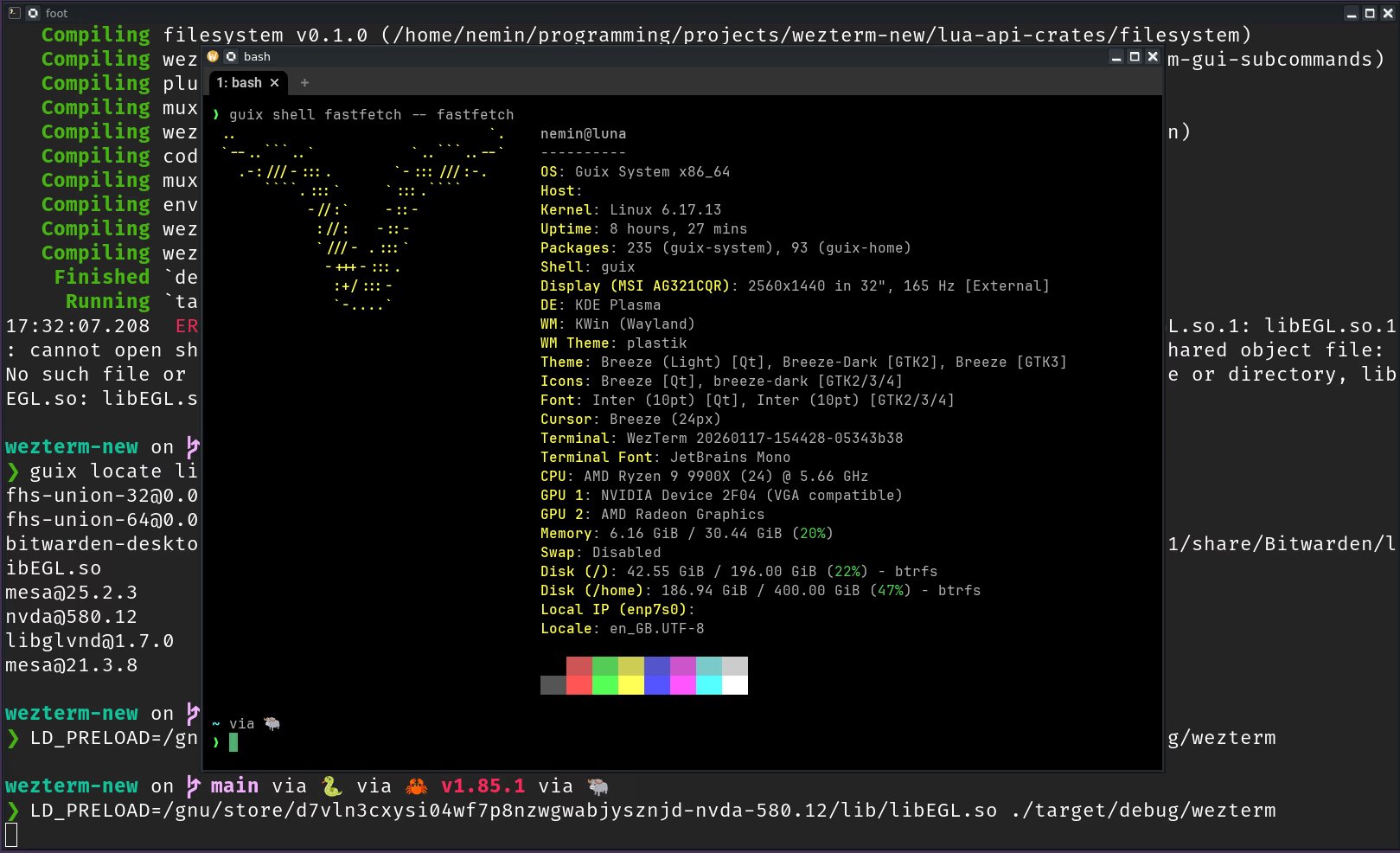
This tension manifests most clearly in the author's journey from naive implementation to working solution. The initial attempt—a straightforward package definition that simply lists inputs—quickly fails when confronted with Cargo's dependency resolution and Guix's offline build requirements. The eventual solution requires multiple build phases, source modifications, and workarounds that stand in stark contrast to the elegant simplicity promised by declarative packaging. This paradox lies at the heart of the packaging experience: the more control we demand over the build process, the more complex our "recipes" must become.
Packaging as Social Practice
Beyond the technical challenges, the article illuminates the profoundly social nature of software packaging. The author's experience with code review and community collaboration transforms what might have been a solitary technical exercise into a rich learning experience. The contributions from community members, particularly hako, demonstrate how packaging is not merely a technical task but a collaborative process that benefits from multiple perspectives.
The author's candid reflection on their initial submission being "overhauled" by experienced contributors reveals an important truth about packaging ecosystems: while individual contributors provide valuable additions, the collective wisdom of the community ultimately produces more robust and maintainable packages. This social dimension is often overlooked in technical documentation but is essential for understanding how package repositories evolve and improve over time. The article suggests that packaging, despite its technical nature, is fundamentally a human activity shaped by knowledge sharing and mentorship.
The Hidden Complexity of Dependencies
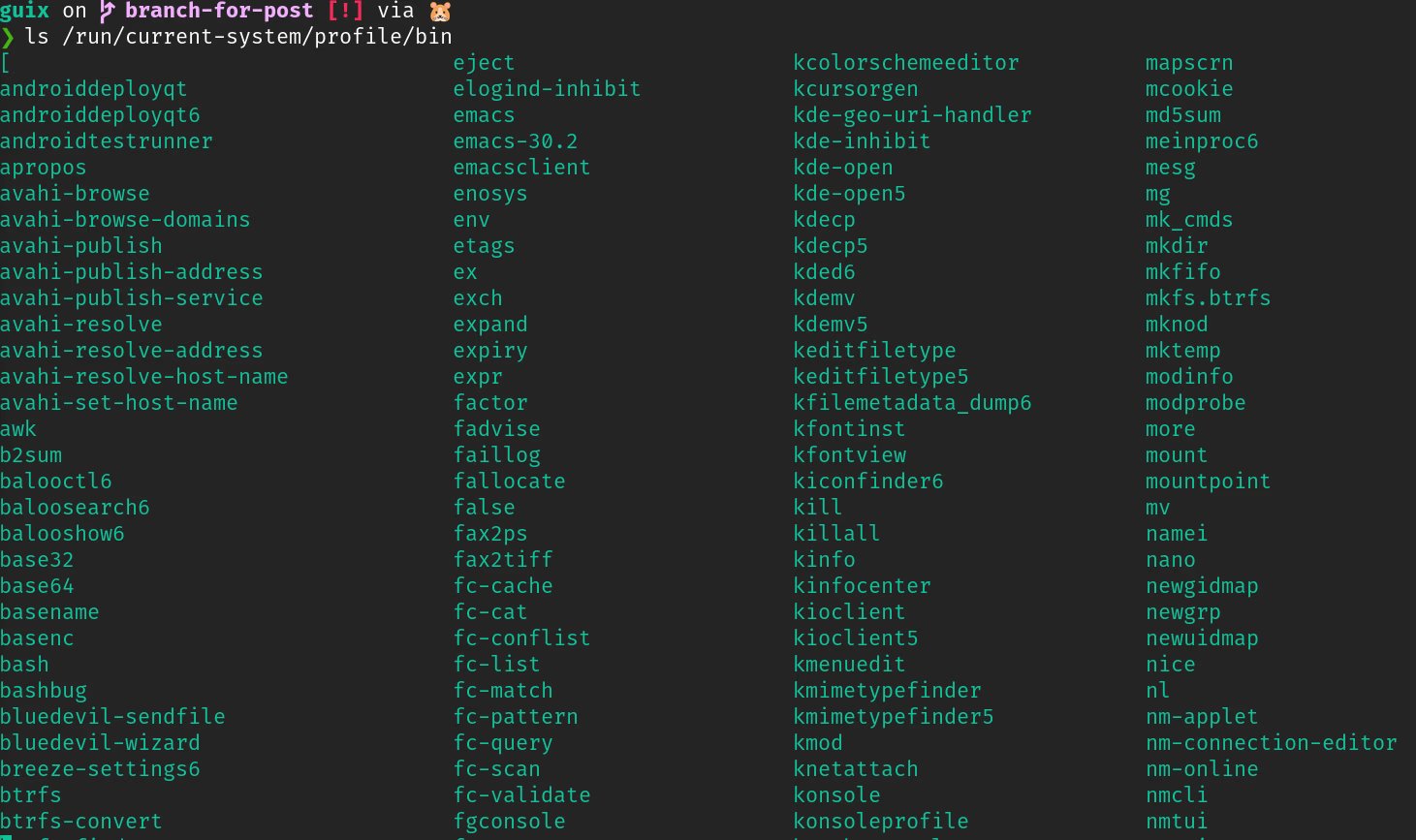
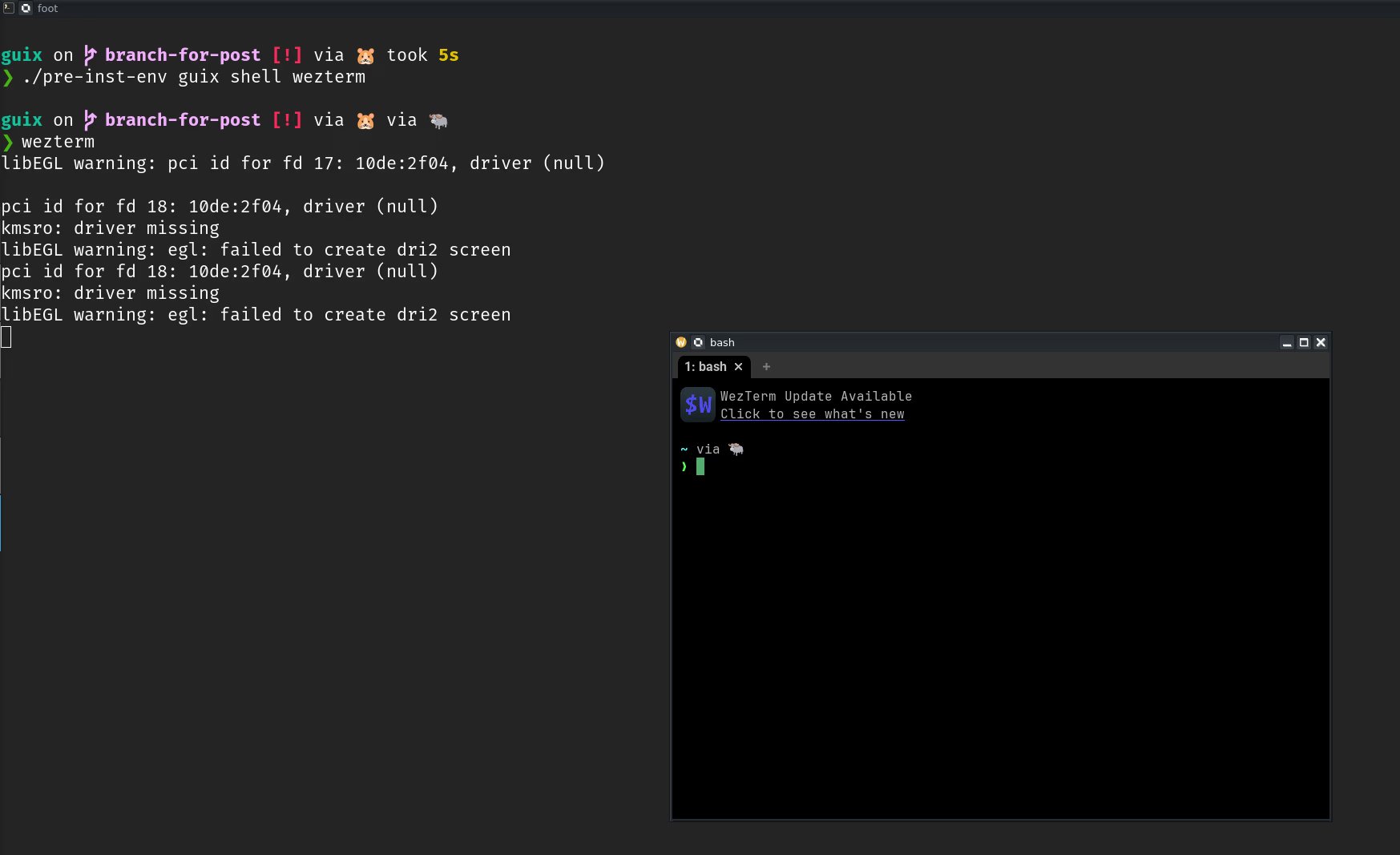
The WezTerm packaging journey serves as a masterclass in understanding the hidden complexity of software dependencies. What begins as a seemingly straightforward task of compiling a Rust application gradually reveals layers of interdependencies that span across multiple domains: graphics libraries (libEGL, libvulkan), font systems, build tools, and runtime environments. The article meticulously documents how each dependency introduces its own set of challenges and requirements.
Particularly insightful is the author's discovery that dependencies are not merely technical requirements but carry philosophical implications as well. The decision to replace bundled fonts with system packages, for instance, reflects a deeper commitment to the Guix principle of composability and reuse. Similarly, the handling of Git-based dependencies reveals a fundamental tension between Cargo's flexible dependency resolution and Guix's insistence on deterministic, versioned sources.
These dependencies, when examined closely, tell a story about software architecture itself—how different components communicate, how they abstract away complexity, and how they ultimately depend on lower-level systems to function. The packaging process forces a confrontation with these dependencies in their raw form, stripping away the abstractions that normally shield developers from such complexity.
The Educational Value of Packaging
Perhaps the most valuable aspect of the article is its demonstration of packaging as an educational experience. Through the process of packaging WezTerm, the author gains profound insights into Rust's build system, Linux graphics libraries, terminal emulator architecture, and the design principles behind Guix itself. This learning extends far beyond the immediate task at hand, providing knowledge that transfers to other packaging endeavors and general software development.
The article's "Note from the future" sections are particularly valuable in this regard, as they distinguish between the immediate solution and the more idiomatic approaches that emerged later. This meta-commentary acknowledges that packaging is an iterative process where understanding deepens over time, and solutions improve through community feedback. Such reflections are rare in technical documentation but essential for conveying the true nature of complex technical tasks.
Implications for the Guix Ecosystem
The article carries several important implications for the Guix ecosystem and its users. First, it provides a realistic view of what it takes to contribute to the repository, demystifying the process while acknowledging its challenges. This transparency is valuable for potential contributors who might otherwise be intimidated by the complexity of the task.
Second, the article highlights both the strengths and weaknesses of Guix's approach. On one hand, the system's insistence on determinism and reproducibility leads to robust, reliable packages. On the other hand, the steep learning curve and occasional documentation gaps can create barriers to entry. The author's experience suggests that while Guix's principles are sound, their implementation could benefit from more accessible guidance for newcomers.
Finally, the article demonstrates the value of persistence and community support in packaging endeavors. Despite multiple failures and setbacks, the author's willingness to learn and adapt ultimately leads to success, with significant help from the community. This narrative of incremental improvement through collaboration offers encouragement to others who might be considering similar packaging projects.
Counter-Perspectives and Unexplored Alternatives
While the author praises Guix's approach, the article also implicitly raises questions about alternative packaging strategies that might have simplified the process. The repeated use of patchelf and source code modifications, for instance, suggests that a different approach to dependency resolution might have been possible. The author's own "Note from the future" acknowledges that simpler solutions existed for some problems, particularly regarding library linking.
The article also doesn't explore how other package managers might handle WezTerm differently. For comparison, a Nix package might have leveraged different build phases or dependency handling mechanisms. While such a comparison wasn't the article's focus, it would provide valuable context for understanding the trade-offs inherent in different packaging philosophies.
Additionally, the article focuses primarily on the technical challenges of packaging without deeply examining the philosophical implications of Guix's approach. How does the emphasis on reproducibility and determinism affect the pace of innovation in the ecosystem? How does it balance between including the latest software versions and maintaining stability? These questions remain largely unexplored but are important for understanding the broader context of packaging efforts.
Conclusion: Packaging as a Philosophical Act
Nemin's WezTerm packaging journey ultimately transcends its technical subject matter to become a reflection on the philosophy of software packaging itself. The article demonstrates that packaging is not merely a mechanical process of listing dependencies and build instructions, but a thoughtful engagement with software architecture, dependency relationships, and community values.
The author's experience reveals that successful packaging requires both technical proficiency and philosophical alignment with the package manager's principles. It shows that packaging is a dialogue between the constraints of the system and the requirements of the software, a negotiation that often requires creative solutions and compromise.
As declarative systems continue to gain popularity, the lessons from this article become increasingly relevant. The WezTerm packaging journey offers not just a technical guide but a philosophical framework for understanding how we build and distribute software in an increasingly complex ecosystem. It reminds us that behind every package lies a story of problem-solving, collaboration, and the ongoing pursuit of better ways to create and share software.
For those interested in exploring the WezTerm package or Guix packaging themselves, the following resources may be helpful:
- The WezTerm GitHub repository
- The Guix manual on packaging
- The Guix contribution guidelines
- The rust-crates.scm file mentioned in the article
Comments
Please log in or register to join the discussion