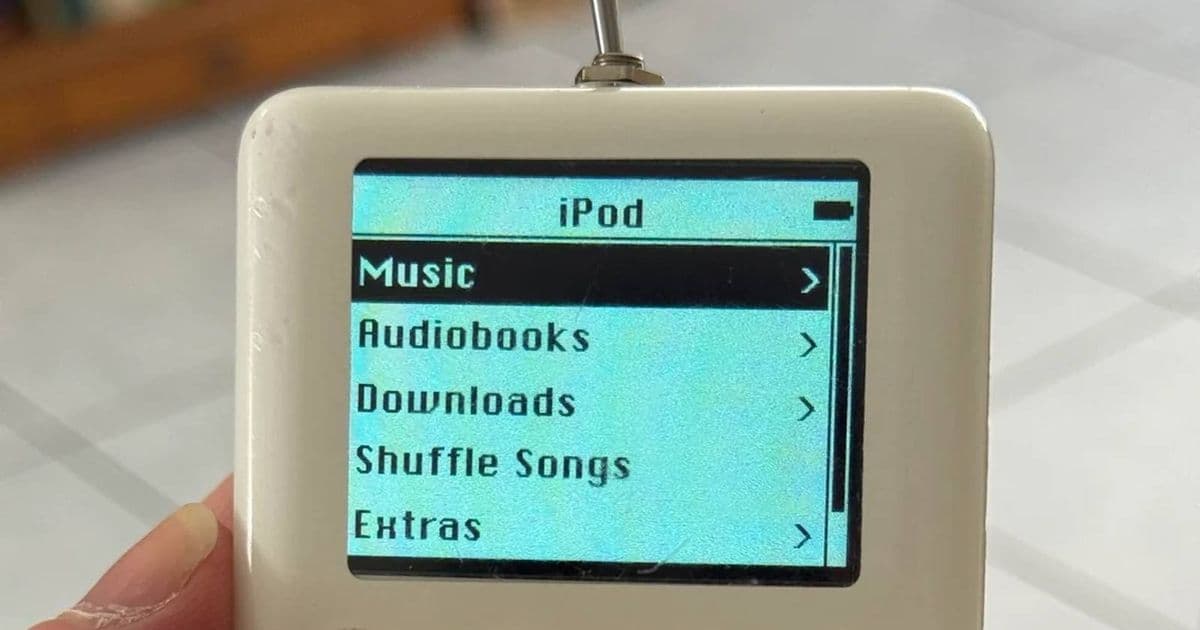
The PiPod 3G project breathes new life into a classic iPod using modern Raspberry Pi hardware while preserving its iconic clickwheel interface.
The PiPod 3G revives a 3rd-gen iPod using a Raspberry Pi Zero 2W and a new screen. Custom sensors preserve the clickwheel feel while modernizing inputs. Streams from Plex with offline downloads, adding a current-day touch to an older device.
For example, take this third generation iPod someone wanted to bring into 2026. It took a lot of work to bring it back to life, including using a Raspberry Pi Zero 2W as the board and custom sensors for the inputs. However, I think the end result was well worth the effort.
The PiPod 3G: A Modern Take on a Classic
The PiPod 3G is a third-generation iPod given a second life with a Pi
I still think these older iPods look the coolest
Over on the Raspberry Pi subreddit, user potatojemsas posted what they've been working on lately. It's called the PiPod 3G, and its main goal is to take the original shell of a third-generation iPod and get it working again using a Raspberry Pi 2W, a new screen, and custom sensors that can detect when someone uses the clickwheel to preserve that iconic dial as close to the real deal as possible.
Of course, when you start adding modern hardware to an older device, you can begin adding features that the original device could only dream of having. For instance, if you're a big fan of using Plex, you'll love what this tinkerer did with the PiPod 3G:
This is my take on what a modern iPod could be in terms of features. It streams from Plex on the backend and supports downloading songs, albums, artists and playlists for offline playback. Everything is done in python (with substantial help from Claude as I am an industrial designer and my programming skills are lacklustre).
Why This Matters
The PiPod 3G project demonstrates the enduring appeal of Apple's classic iPod design while showcasing how modern technology can breathe new life into vintage hardware. The third-generation iPod, released in 2003, was known for its distinctive mechanical scroll wheel and compact form factor. By preserving these iconic elements while upgrading the internal components, the PiPod 3G maintains the nostalgic appeal while adding contemporary functionality.
The use of a Raspberry Pi Zero 2W as the brains of the operation is particularly clever. This tiny single-board computer provides enough processing power to handle modern audio streaming and playback while fitting inside the original iPod chassis. The custom sensors that detect clickwheel input are crucial for maintaining the authentic user experience - there's something uniquely satisfying about the tactile feedback of the original iPod's scroll wheel that digital touchscreens simply can't replicate.
Technical Implementation
The project's reliance on Python for the software implementation makes sense given the creator's background as an industrial designer rather than a software engineer. Python's readability and extensive library support make it an excellent choice for rapid prototyping and development, especially when working with hardware interfaces and media playback.
The Plex integration is particularly noteworthy. Plex has become the de facto standard for personal media servers, allowing users to stream their music collections from anywhere with an internet connection. By adding Plex support to the PiPod 3G, the creator has essentially given this vintage device access to virtually unlimited music libraries while maintaining the familiar iPod interface.
The offline download capability is another smart addition. This feature ensures that the device remains useful even without an internet connection - perfect for situations like flights, road trips, or areas with poor cellular coverage. It's a thoughtful nod to the original iPod's purpose as a portable music player that doesn't require constant connectivity.
The DIY Electronics Movement
Projects like the PiPod 3G exemplify the growing DIY electronics movement, where enthusiasts combine vintage hardware with modern components to create unique hybrid devices. This trend speaks to a broader cultural appreciation for well-designed physical objects while acknowledging the practical advantages of contemporary technology.
The Raspberry Pi platform has been instrumental in enabling these kinds of projects. Its affordability, small size, and versatility make it ideal for hardware hacking and retro-modernization projects. The fact that a device the size of a credit card can replace the entire electronics package of a 2003 iPod while adding features that would have been unimaginable at the time is a testament to how far consumer electronics have advanced.
Looking Forward
The PiPod 3G raises interesting questions about the future of personal audio devices. While smartphones have largely replaced dedicated music players for most people, there's still something appealing about a device designed specifically for music playback. The tactile interface, focused functionality, and physical controls of the original iPod design offer advantages that touchscreens can't always match, especially for activities like exercise or driving.
This project also highlights the potential for sustainable technology practices. Rather than discarding old devices, creative reuse and upcycling can extend the useful life of hardware while reducing electronic waste. The PiPod 3G proves that with some technical know-how and creative thinking, vintage devices can find new relevance in the modern world.
For those interested in similar projects, the Raspberry Pi community offers extensive resources and support. The open-source nature of many DIY electronics projects means that successful designs like the PiPod 3G can inspire and inform future creations, potentially leading to even more innovative combinations of old and new technology.
The PiPod 3G is more than just a clever hardware hack - it's a celebration of good design, a showcase for modern DIY capabilities, and a reminder that sometimes the best way forward involves looking back at what worked well in the past.
Comments
Please log in or register to join the discussion