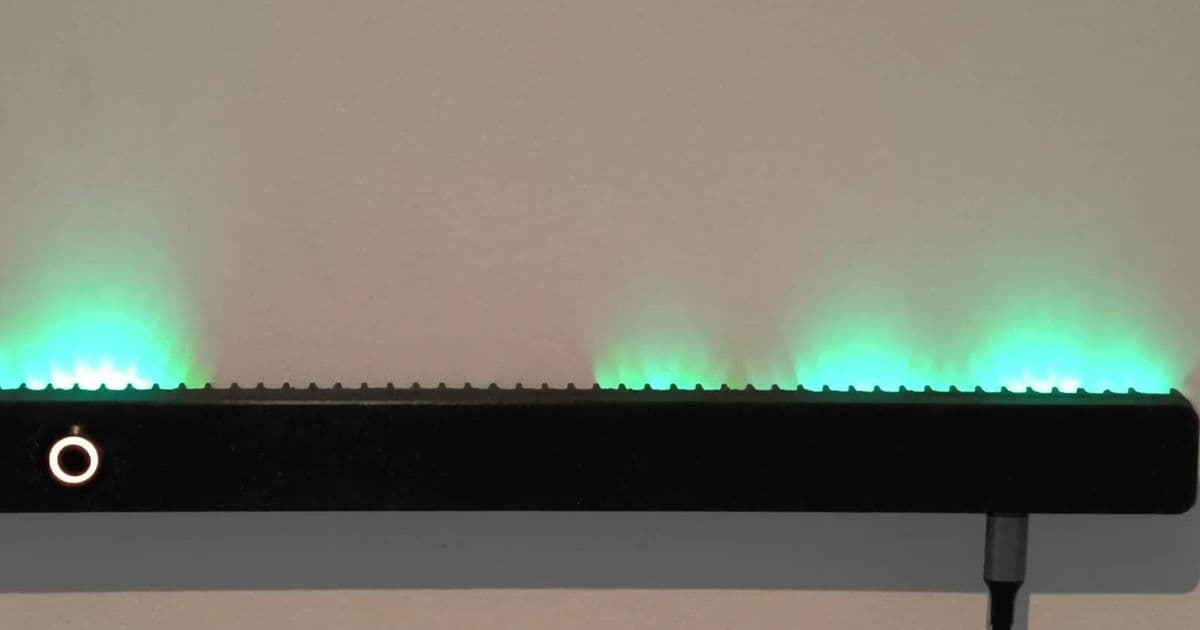
A maker has transformed their home network monitoring into a visual art piece, using an ESP32 microcontroller to turn Wi-Fi packet traffic into a flowing, aurora-like light display. The project uses common, affordable components and includes a web interface for customization, making it an accessible and impressive DIY project for anyone interested in network visualization.
A maker has turned their home network monitoring into a visual art piece. Inspired by a Raspberry Pi project that visualized radio waves, they created a simplified version using an ESP32c3 microcontroller. The result is a stunning LED light strip that reacts to Wi-Fi traffic in real-time, creating an aurora-like display that shifts and flows with the data moving through your router.
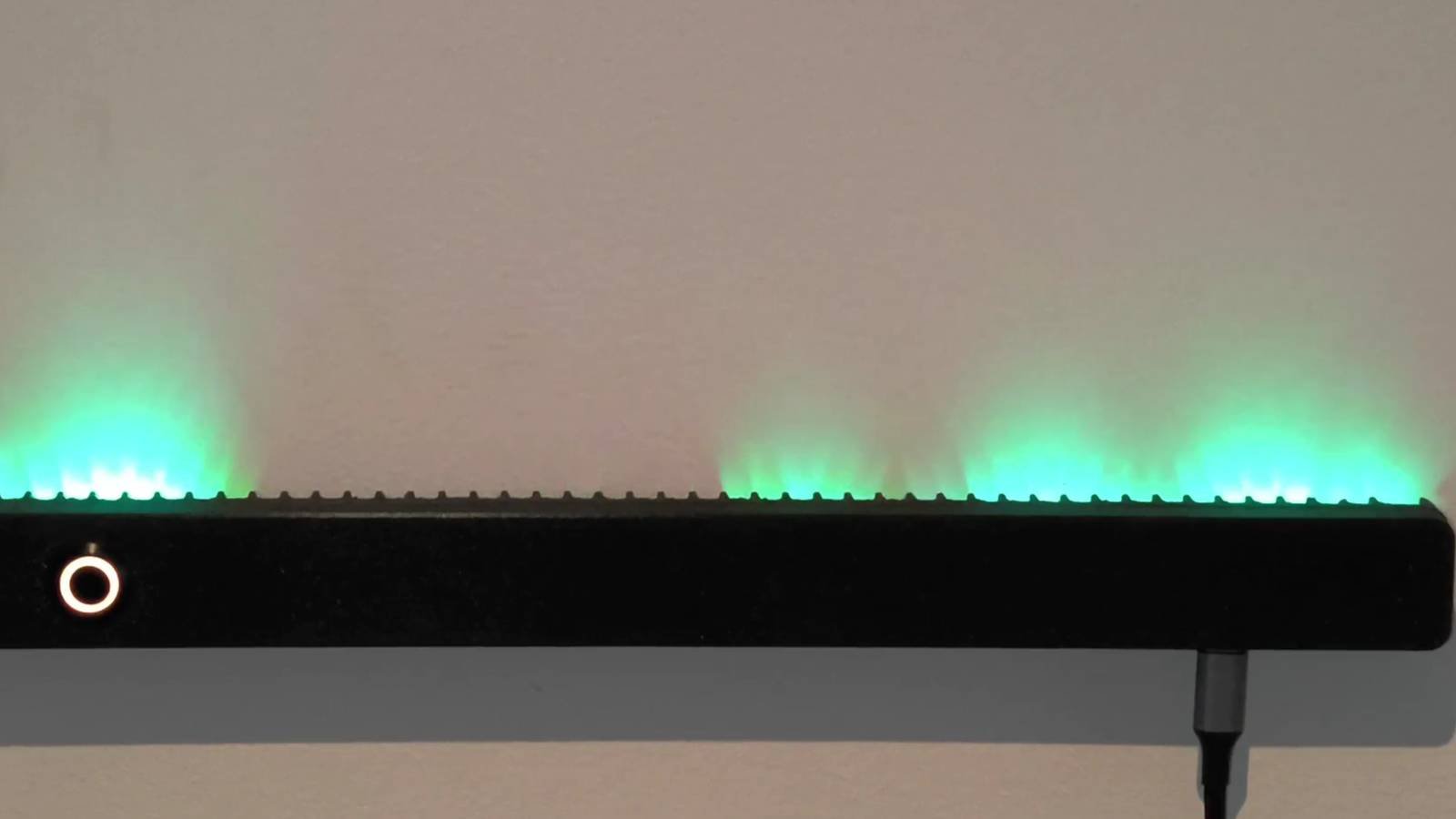
The project, shared on the ESP32 subreddit by user AHTMGC, uses a Xiao ESP32c3, a NeoPixel LED strip (144 LEDs per meter), and a simple button for control. A double-tap on the button activates an access point, launching a web-based user interface where you can adjust brightness, color, and display modes. The entire setup is housed in a 3D-printed enclosure designed to fit a standard printer bed, measuring 330mm in length.
How It Works: From Packets to Light
The core of the project is the ESP32's ability to monitor Wi-Fi traffic. The ESP32c3, a low-cost variant of the popular ESP32 series, listens for packets on the 2.4GHz band. Unlike more complex spectrum analyzers, this project focuses specifically on packet activity rather than the full radio frequency spectrum. This simplification makes it achievable with more common ESP32 models (like the C3) that may not have the advanced radio capabilities of newer chips like the ESP32-C5.
Each packet that the ESP32 detects triggers a reaction in the NeoPixel strip. The visual output is designed to mimic natural phenomena like the aurora borealis, with colors and movement that correspond to the intensity and frequency of network traffic. During periods of high activity—like streaming a video or downloading a large file—the lights will pulse and shift more vigorously. In quieter moments, the display settles into a gentle, ambient glow.
This approach transforms an invisible process into a tangible, beautiful display. It's a practical way to understand your network's activity without staring at graphs or command-line tools. The visual feedback can even help identify unexpected network usage, as a sudden burst of light might indicate a background update or an unauthorized device connecting to your network.
Building Your Own: Parts and Code
One of the most appealing aspects of this project is its accessibility. The components are inexpensive and widely available:
- Xiao ESP32c3: A compact, low-power ESP32 variant perfect for embedded projects.
- NeoPixel LED Strip: A 144/m density strip provides smooth, high-resolution lighting.
- Momentary Button: For toggling the web UI access point.
- 3D-Printed Housing: The design files are available, allowing you to print a custom enclosure.
The project's creator has made the code and detailed build instructions available on GitHub. This open-source approach means anyone with basic soldering skills and a 3D printer can replicate the project. The web UI, served directly from the ESP32, eliminates the need for a separate computer or complex setup. Simply connect to the ESP32's Wi-Fi network, navigate to the provided IP address, and you have full control over the display's settings.
For those new to ESP32 projects, this is an excellent entry point. It combines hardware assembly, basic programming, and network concepts into a single, rewarding build. The visual payoff is immediate and impressive, making it a great project for a home office, living room, or as a unique gift for a tech enthusiast.
The Broader ESP32 Ecosystem
This project highlights the versatility of the ESP32 platform. Originally designed for IoT applications, the ESP32 series has become a favorite among makers for its low cost, powerful features, and extensive community support. The ESP32c3 used here is a RISC-V-based variant, offering a balance of performance and power efficiency that's ideal for always-on projects like this one.
The ability to host a web server directly on the microcontroller is a key feature. It allows for complex user interfaces without needing a separate processor or cloud connection. This local-first approach is a growing trend in DIY electronics, emphasizing privacy and control. You can read more about the ESP32c3's capabilities on the official Espressif documentation.
Inspiration and Alternatives
The original inspiration for this project came from a video by RootKid titled "I built a light that can see radio waves," which used a Raspberry Pi Zero. The ESP32 version demonstrates how different platforms can achieve similar results, each with its own trade-offs. The Raspberry Pi offers more processing power and a full Linux OS, making it suitable for more complex signal analysis. The ESP32, however, is more power-efficient and cost-effective, making it better suited for dedicated, single-purpose devices like this light display.
This project also joins a growing collection of ESP32-based visualizations. For example, another maker created a project that turns bandwidth usage into a spectacle, using similar principles but different visual styles. The variety of approaches shows the creative potential of combining network data with LED lighting.
If you're interested in exploring more ESP32 projects, there are countless options available. From smart home sensors to retro gaming consoles, the ESP32's capabilities are vast. For those looking to start with something simpler, there are many cheap ESP32-based display projects that anyone can build, often requiring just a few components and basic coding knowledge.
Practical Considerations
Before starting this project, consider a few practical points. First, the 2.4GHz Wi-Fi band is crowded, and the ESP32c3 may not capture all traffic, especially if your router uses 5GHz or if you have many neighboring networks. For a more comprehensive view, a more advanced setup with a dedicated network tap or a software-defined radio (SDR) might be necessary, but that adds complexity and cost.
Second, the visual output is a simplified representation. It won't decode packet contents or provide detailed analytics. Instead, it offers a qualitative, aesthetic view of network activity. For quantitative analysis, tools like Wireshark or network monitoring software are more appropriate.
Finally, the project's power requirements are minimal. The ESP32c3 and NeoPixels can be powered via a standard USB connection or a small battery pack, making it easy to deploy in any location. The 3D-printed housing can be customized for different LED strip lengths or aesthetic preferences.
Conclusion
This ESP32 Wi-Fi aurora project is a perfect example of how simple hardware can create beautiful, functional art. It demystifies network traffic, turning an abstract concept into a visual experience. With open-source code, affordable parts, and a clear build guide, it's an achievable project for makers of all skill levels. Whether you're looking to monitor your home network or simply add a unique piece of tech art to your space, this project delivers on both fronts.
For the full build guide and code, check out the project on GitHub. To learn more about the ESP32c3 and its capabilities, visit the Espressif product page.
Comments
Please log in or register to join the discussion