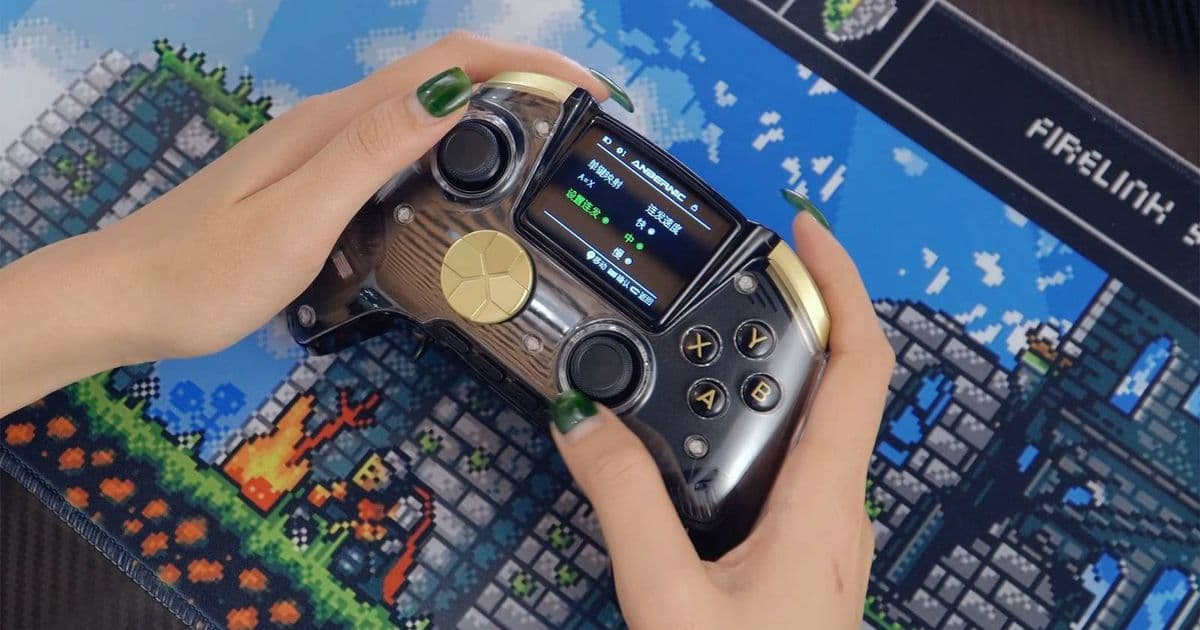
Anbernic's RG-G01 controller integrates a functional 2.5-inch display and biometric tracking, potentially enabling adaptive gameplay based on physiological responses.
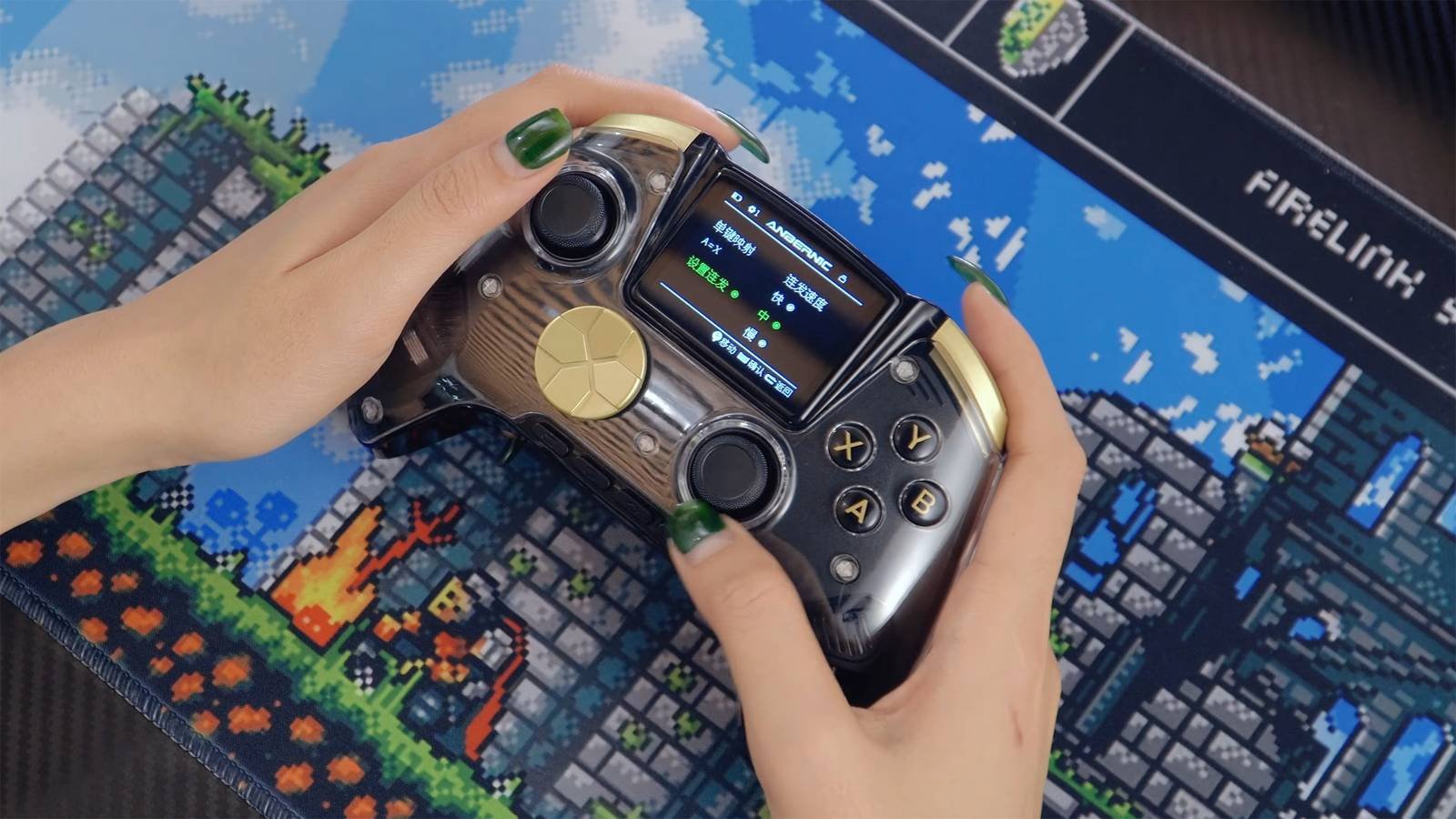
Anbernic has unveiled a prototype controller that fundamentally rethinks gamepad design by integrating a 2.5-inch display and heart rate monitoring capabilities. This RG-G01 device represents a significant departure from conventional controllers, positioning itself as a potential tool for both enhanced gameplay mechanics and health-conscious gaming experiences.
The centerpiece of the controller is its 2.5-inch IPS display embedded between the control surfaces. Unlike decorative screens on premium controllers, this display serves functional purposes: displaying in-game maps, inventory systems, or real-time performance statistics without requiring players to shift focus to their main display. Early demonstrations suggest developers could utilize this secondary screen for contextual controls that dynamically change based on gameplay scenarios.
More revolutionary is the integrated heart rate sensor located within the controller's grip. This photoplethysmography (PPG) sensor continuously monitors the player's pulse, enabling potential gameplay adaptations based on physiological responses. Imagine horror games intensifying scenarios when detecting calmness, or rhythm games adjusting difficulty when sensing player fatigue. The biometric data could also enable health-focused features like session fatigue alerts or gameplay intensity reports.
Technical specifications indicate Bluetooth 5.3 connectivity with support for Windows, Android, and Nintendo Switch platforms. The controller maintains traditional inputs—dual analog sticks, face buttons, and triggers—while adding programmable rear paddles. Powering the display and sensors requires a substantial 800mAh battery, with early tests showing approximately 8 hours of continuous use.
For developers, this controller presents both opportunities and challenges. The Android SDK allows customization of the secondary screen's content, while the biometric API provides access to real-time heart rate data. However, cross-platform implementation requires careful consideration: iOS integration remains unconfirmed, and developers must design fallback systems for players without specialized hardware.
This innovation arrives as cloud gaming and mobile platforms blur traditional hardware boundaries. While pricing and availability details remain unconfirmed, Anbernic's prototype suggests a future where controllers evolve from input devices to interactive companions capable of physiological engagement.
Potential applications extend beyond gaming: fitness apps could leverage biometric feedback during exercise games, medical rehabilitation programs might monitor stress responses during therapy, and streaming services could display viewer heart rate metrics during broadcasts. As controller technology advances beyond buttons and sticks, the RG-G01 demonstrates how peripheral innovation continues to expand interactive possibilities.
Comments
Please log in or register to join the discussion