
A leak from Ice Universe reveals a 6.32‑inch Tianma OLED with a record‑thin 0.35 mm bezel and 240 Hz refresh rate, prompting fresh speculation about which flagship Android will get the first truly bezel‑less display.
What’s new
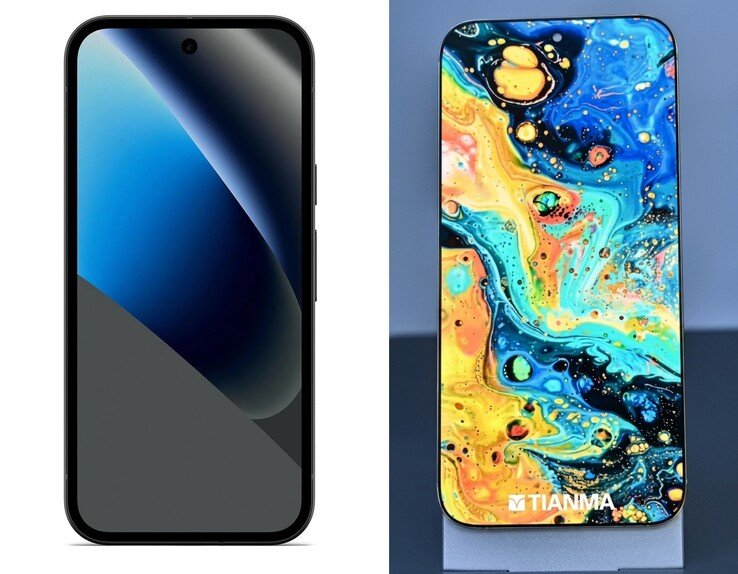
A fresh leak from the well‑known tip‑off source Ice Universe shows a 6.32‑inch OLED panel built by Tianma that pushes the bezel down to an astonishing 0.35 mm. The panel also runs at 240 Hz, a refresh rate normally reserved for dedicated gaming phones. If a manufacturer can integrate this screen into a production device this year, the resulting phone would have the highest screen‑to‑body ratio ever seen in a mass‑market smartphone.
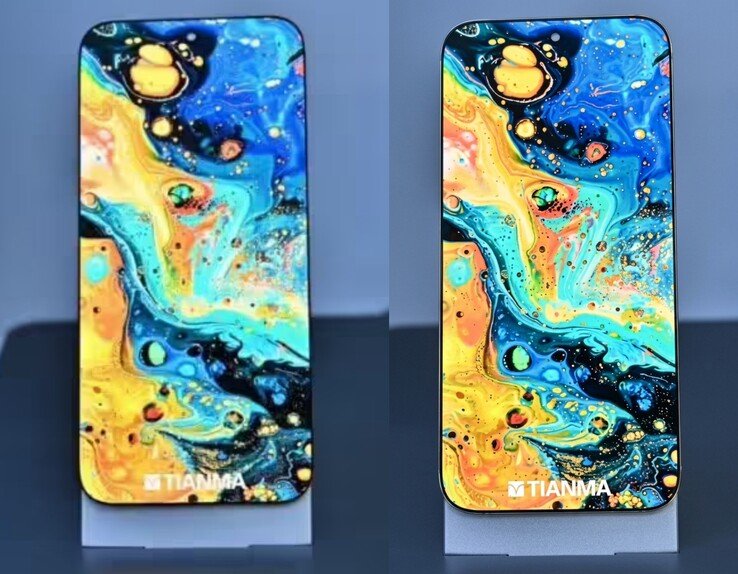
The teaser includes a side‑by‑side comparison with the Google Pixel 10a, whose 4 mm bezels look massive next to the near‑borderless Tianma panel.
How it stacks up against current flagships
| Device (rumored) | Screen size | Refresh rate | Bezel width (approx.) | Notes |
|---|---|---|---|---|
| Tianma panel | 6.32 in | 240 Hz | 0.35 mm | OLED, HDR10+, 1440p resolution |
| OnePlus 15T | 6.32 in | 165 Hz | 1.1 mm | Conventional glass‑back design |
| Honor 600 / 600 Pro | 6.7 in | 120 Hz | 0.98 mm | Claims thinnest bezels among released phones |
| Xiaomi 18 (rumor) | 6.4‑6.8 in | 120‑144 Hz | ~0.8 mm | Expected to use a high‑refresh AMOLED |
| Pixel 10a | 6.1 in | 90 Hz | 4 mm | Mid‑range reference |
The Tianma panel’s bezel is three times thinner than Honor’s current record and over ten times thinner than the Pixel 10a. Its 240 Hz refresh rate also outpaces every mainstream Android flagship that launched in 2024‑2025, which have typically capped at 120‑165 Hz.
Likely candidates for integration
The size and refresh rate point to a few possible homes:
- Xiaomi 18 – Xiaomi has a history of adopting cutting‑edge panels from Chinese suppliers, and the 6.32‑inch size fits nicely between its usual 6.3‑6.8 inch range. A high‑refresh, ultra‑thin display would give Xiaomi a clear visual edge over rivals.
- OnePlus 16 T – While the main OnePlus 16 is rumored to sport a larger 6.78‑inch screen with ~1 mm bezels, a “T” variant could target a compact, premium niche using the Tianma panel. OnePlus has previously partnered with Chinese panel makers for its flagship displays, so a surprise compact model isn’t out of the question.
- Honor flagship – Honor already leads the bezel‑war with sub‑1 mm borders. Integrating a 0.35 mm panel would cement its claim to the title, but the company has been focusing on larger, curved displays for its flagship line, making a switch less likely.
- Google Pixel 11a – The leak explicitly rules out the Pixel 11a, as Google’s mid‑range line typically sticks with more conventional panels to keep costs down.
What the specs mean for users
- Fluid gaming and scrolling – 240 Hz effectively eliminates motion blur on fast‑moving content. Competitive mobile gamers will notice smoother touch response, while everyday users will see quicker UI animations.
- Battery impact – Driving a 240 Hz panel consumes more power than a 120 Hz screen, especially at high brightness. Manufacturers will need to pair the panel with a larger battery or aggressive power‑saving modes to avoid noticeable drain.
- Touch latency – Higher refresh rates usually come with higher touch‑sampling rates (often 480 Hz or more). This can reduce input lag, a benefit for both gaming and productivity.
- Manufacturing challenges – Achieving a 0.35 mm bezel requires ultra‑thin glass or polymer layers, precise alignment, and a robust adhesive stack. Yield rates may be low at first, which could drive up the final device price.
Who should care
- Mobile gamers – The combination of 240 Hz and ultra‑thin borders offers a more immersive, responsive experience.
- Design enthusiasts – If you value a phone that looks like a slab of glass, the near‑borderless panel is the ultimate visual statement.
- Power users – The high refresh rate will make multitasking feel smoother, but be prepared for a potential trade‑off in battery life.
- Early adopters – Companies that manage to ship a device with this panel will likely price it at a premium, so be ready to pay a bit more for the novelty.
Outlook
The Tianma panel is a clear signal that the “all‑screen” race is entering its next phase. While the technology is still in a pre‑production stage, the leak suggests at least one major OEM is already planning a flagship around it. If the integration goes smoothly, we could see the first truly bezel‑less Android phone on shelves before the end of 2026, raising the bar for every competitor that still relies on 0.8‑1 mm borders.
Sources: Ice Universe leak, Tianma press images, public specifications of OnePlus 15T, Honor 600 series, Xiaomi rumor feeds.

Comments
Please log in or register to join the discussion