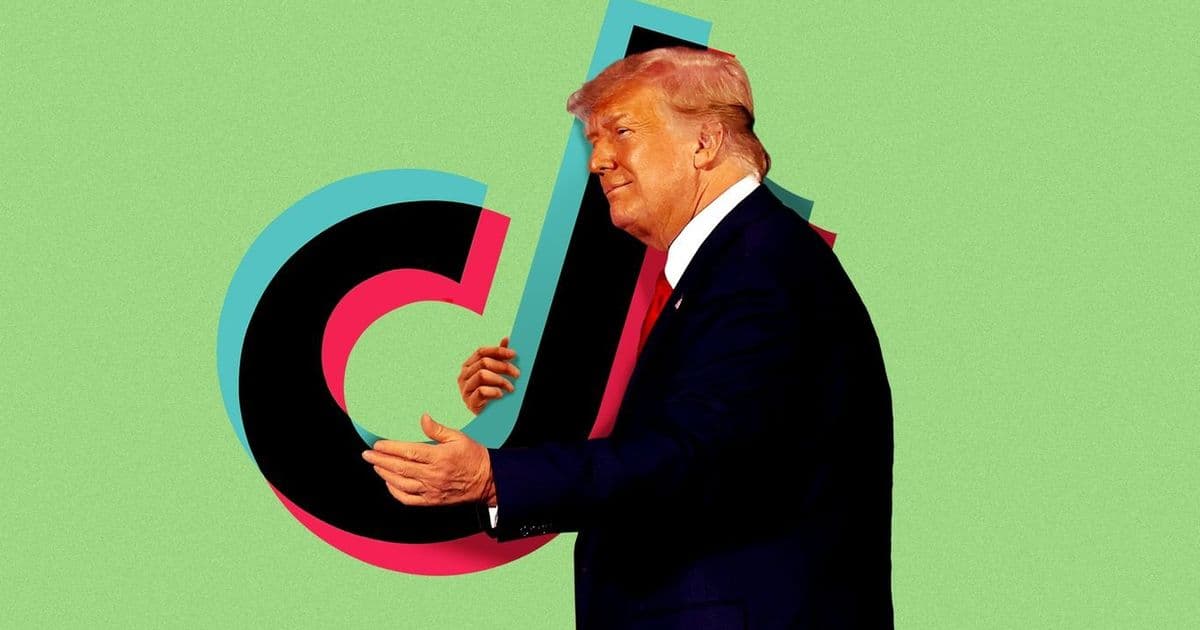
A divestiture agreement for TikTok's U.S. operations has been finalized, narrowly avoiding a federal ban that was set to take effect under the previous administration's executive order. The deal, structured as a joint venture with U.S. tech partners, aims to address national security concerns while keeping the app operational for American users.
The clock has officially stopped on what was poised to become one of the most significant tech divestitures in recent memory. A deal to transfer ownership of TikTok's U.S. operations to a consortium of American investors has been finalized, effectively neutralizing the threat of a federal ban that was scheduled to activate under the terms of a 2020 executive order. The agreement, confirmed by multiple sources familiar with the negotiations, establishes a new joint venture entity that will oversee TikTok's U.S. platform, data, and algorithmic operations.
The structure of the deal is critical to understanding its strategic implications. Rather than a straightforward sale to a single U.S. company, the agreement creates a new corporate entity with a board composed primarily of American directors. ByteDance, TikTok's China-based parent company, will retain a minority stake but relinquish operational control and direct access to U.S. user data. The technical architecture is designed to isolate U.S. user data on servers located within the United States, with oversight from a new U.S.-based security committee. This setup mirrors the "Project Texas" framework that ByteDance had previously proposed, but now carries the weight of a legally binding agreement backed by the Committee on Foreign Investment in the United States (CFIUS).
From a market perspective, this resolution removes a major overhang that has shadowed the social media landscape for over three years. TikTok's U.S. user base, estimated at over 150 million monthly active users, represents a significant portion of its global audience and a critical advertising revenue stream. The platform's advertising business, which generated an estimated $11 billion in global revenue in 2023, was particularly vulnerable to a shutdown. Competitors like Meta (Instagram Reels) and YouTube (Shorts) had been aggressively positioning themselves to capture displaced users and advertisers, but the deal's finalization means TikTok remains a formidable competitor in the short-form video space.
The financial terms of the transaction remain confidential, but analysts estimate the valuation of the U.S. entity could range between $40 billion and $60 billion. This reflects TikTok's dominant position in the short-form video market and its high engagement metrics, which consistently outperform competitors. The investor consortium reportedly includes Oracle, which will continue to provide cloud infrastructure, along with other U.S. tech firms and private equity players. Oracle's role is particularly significant given its existing partnership with TikTok for data hosting and its close ties to former President Trump, who initially pushed for the divestiture.
For ByteDance, the deal represents a pragmatic compromise that preserves its access to the lucrative U.S. market while addressing the national security concerns that have plagued the app since 2020. The Chinese government's approval was a necessary hurdle, and the final agreement likely required delicate diplomatic negotiations. From a technical standpoint, the separation of TikTok's U.S. operations from its global infrastructure is a complex engineering challenge. The platform's recommendation algorithm, which is central to its user engagement, will need to be replicated and maintained within the new U.S. entity, potentially limiting its ability to leverage global data patterns for optimization.
The implications extend beyond TikTok itself. The deal sets a precedent for how foreign-owned tech platforms with significant U.S. user bases might be structured to comply with national security requirements. It also highlights the growing intersection of technology, geopolitics, and corporate governance. For other Chinese tech companies considering U.S. expansion, the TikTok case provides a blueprint for potential joint venture structures, though the costs and complexities involved are substantial.
In the broader context of tech regulation, this resolution may reduce immediate political pressure on other platforms, but it doesn't eliminate the underlying tensions. The U.S. government's focus on data sovereignty and algorithmic transparency continues to shape policy discussions around social media, AI, and cloud computing. TikTok's new structure will likely face ongoing scrutiny from regulators, particularly regarding data access and content moderation practices.
The deal's timing is also noteworthy. It was finalized just days before the scheduled implementation of the ban, suggesting that political and commercial pressures converged to force a resolution. The incoming administration's stance on the matter was uncertain, and the deal provides a stable outcome regardless of political shifts. For users, the transition should be seamless, though they may notice changes in data management policies and potentially some adjustments to the content recommendation system as the new entity establishes its operational independence.
Ultimately, the TikTok divestiture represents a significant case study in how global tech companies navigate complex regulatory environments. It demonstrates that even the most popular platforms are not immune to geopolitical pressures, and that structural solutions can sometimes bridge the gap between commercial interests and national security concerns. The long-term success of the new U.S. entity will depend on its ability to maintain TikTok's innovative edge while operating under the constraints of its new governance structure.
Comments
Please log in or register to join the discussion