Brazilian medical innovators are repurposing tilapia skin as a highly effective burn treatment, addressing critical shortages in traditional skin grafts while demonstrating surprising biological advantages over conventional methods.
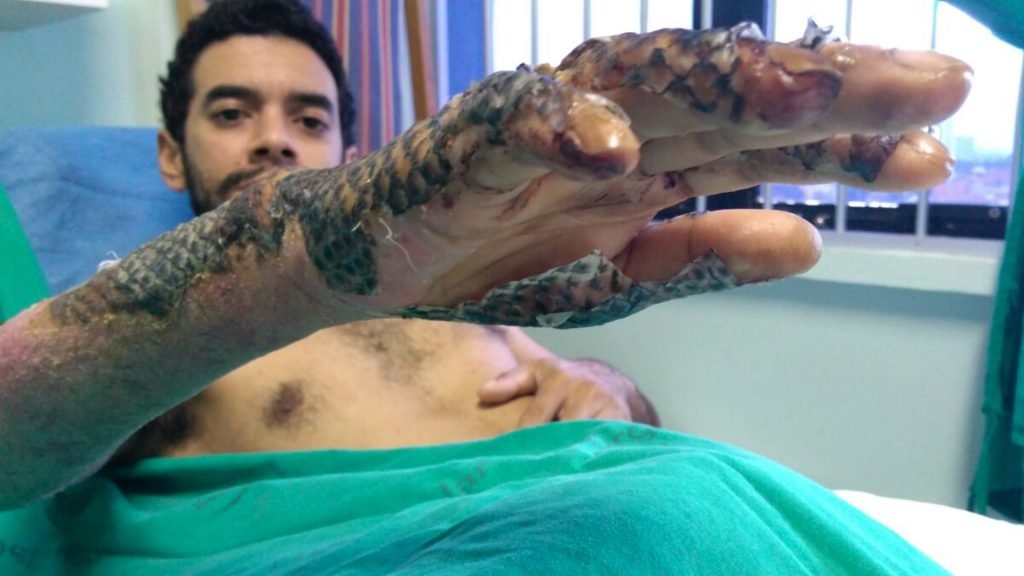
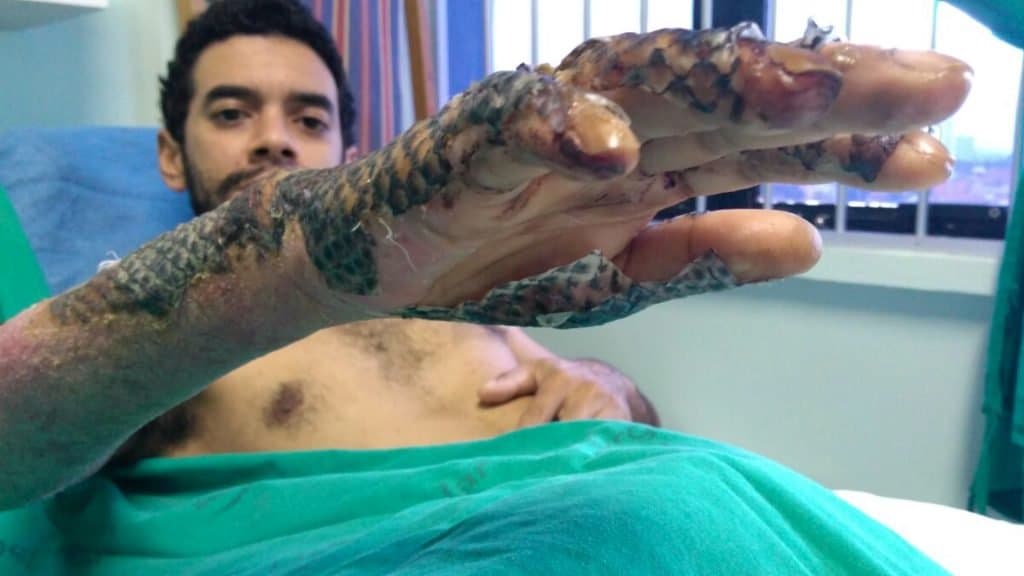
In Fortaleza, Brazil, burn victims wear what appears to be shimmering scales – sterile strips of tilapia fish skin meticulously applied to damaged tissue. This unconventional treatment emerged not from high-tech laboratories but from necessity: Brazil's severe shortage of human skin grafts and expensive artificial alternatives. While developed nations routinely use donated human skin or porcine grafts, Brazil's public health system could only meet 1% of national demand according to plastic surgeon Dr. Edmar Maciel, who leads clinical trials at José Frota Institute.
The innovation reveals unexpected biological advantages. Tilapia skin contains higher concentrations of collagen types 1 and 3 – crucial for wound healing – than human skin, alongside superior moisture retention and tensile strength. Unlike traditional gauze dressings requiring daily painful changes, sterilized tilapia skin adheres to wounds for weeks. For superficial second-degree burns, it remains until natural scarring occurs; deeper burns require only a few changes versus daily dressing swaps. This reduces healing time by several days and significantly decreases pain medication needs.
Fisherman Antônio dos Santos experienced this firsthand after a boat explosion burned his entire right arm. Participating in the clinical trial, he reported immediate pain relief: "After they put on the tilapia skin, it really relieved the pain. I thought it was really interesting that something like this could work."
The processing methodology developed at Federal University of Ceará involves rigorous sterilization using chemical agents followed by radiation treatment in São Paulo to eliminate viruses. Prepared skins remain viable for two years when refrigerated – a crucial factor for resource-limited settings.
Counterintuitively, tilapia's greatest strength – its resourcefulness – also defines its limitations. Dr. Jeanne Lee, burn specialist at UC San Diego, acknowledges potential while noting practical constraints: "I'm willing to use anything that might help a patient... but you need places with resources to process the skin and sterilize it." Developed nations like the US face regulatory hurdles from the FDA and animal rights groups, alongside established human skin donation systems that reduce urgency for alternatives.
Brazilian researchers continue histological comparisons between human, tilapia, porcine, and frog skins while analyzing cost differentials. Success in ongoing trials could lead to industrial-scale production for Brazil's public health system. This case exemplifies how resource constraints can drive medical innovation, transforming discarded biological material into life-changing treatment where conventional solutions fall short.
Comments
Please log in or register to join the discussion