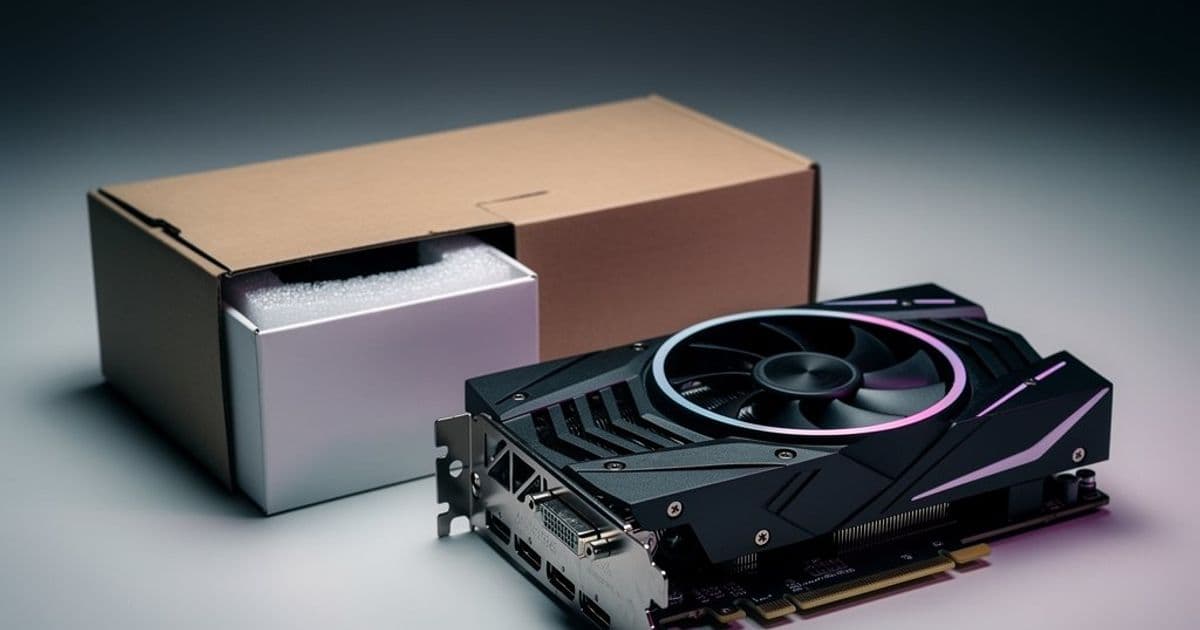
A Reddit user's purchase of a flagship RTX 5080 from Amazon turned into a hardware scam, revealing a sophisticated return fraud scheme where a lower-tier RTX 5060 Ti was meticulously relabeled and sold as the high-end card.
A recent incident documented on Reddit highlights a growing problem in the consumer electronics supply chain: sophisticated return fraud. A customer ordered an Asus Prime RTX 5080 from Amazon, expecting the company's latest flagship GPU. Upon unboxing, however, they discovered an Asus Prime RTX 5060 Ti 16 GB inside. The deception was not crude; the perpetrator had gone to the lengths of applying genuine RTX 5080 stickers to the 5060 Ti's shroud, though the application was slightly crooked, betraying the swap.
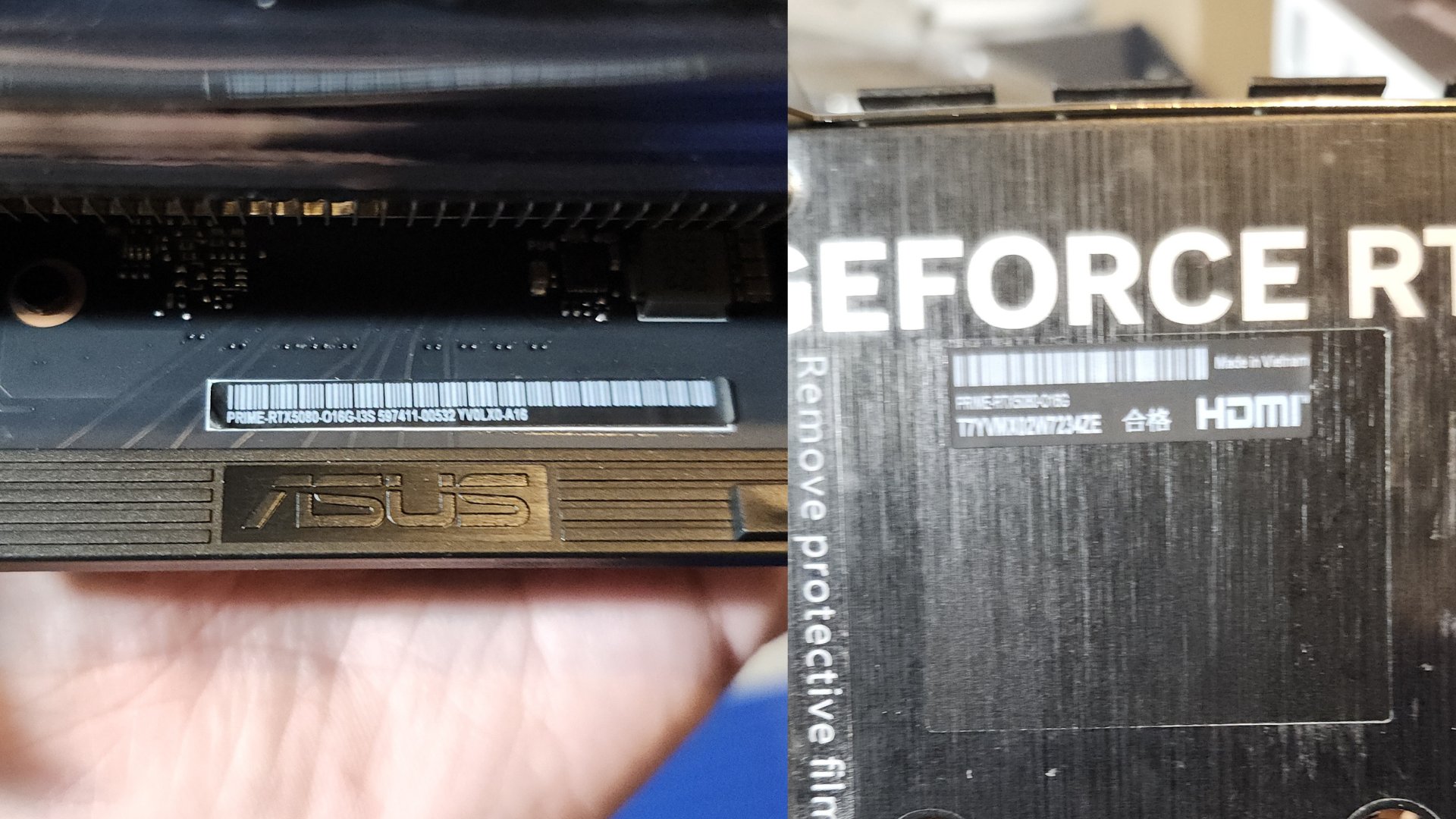
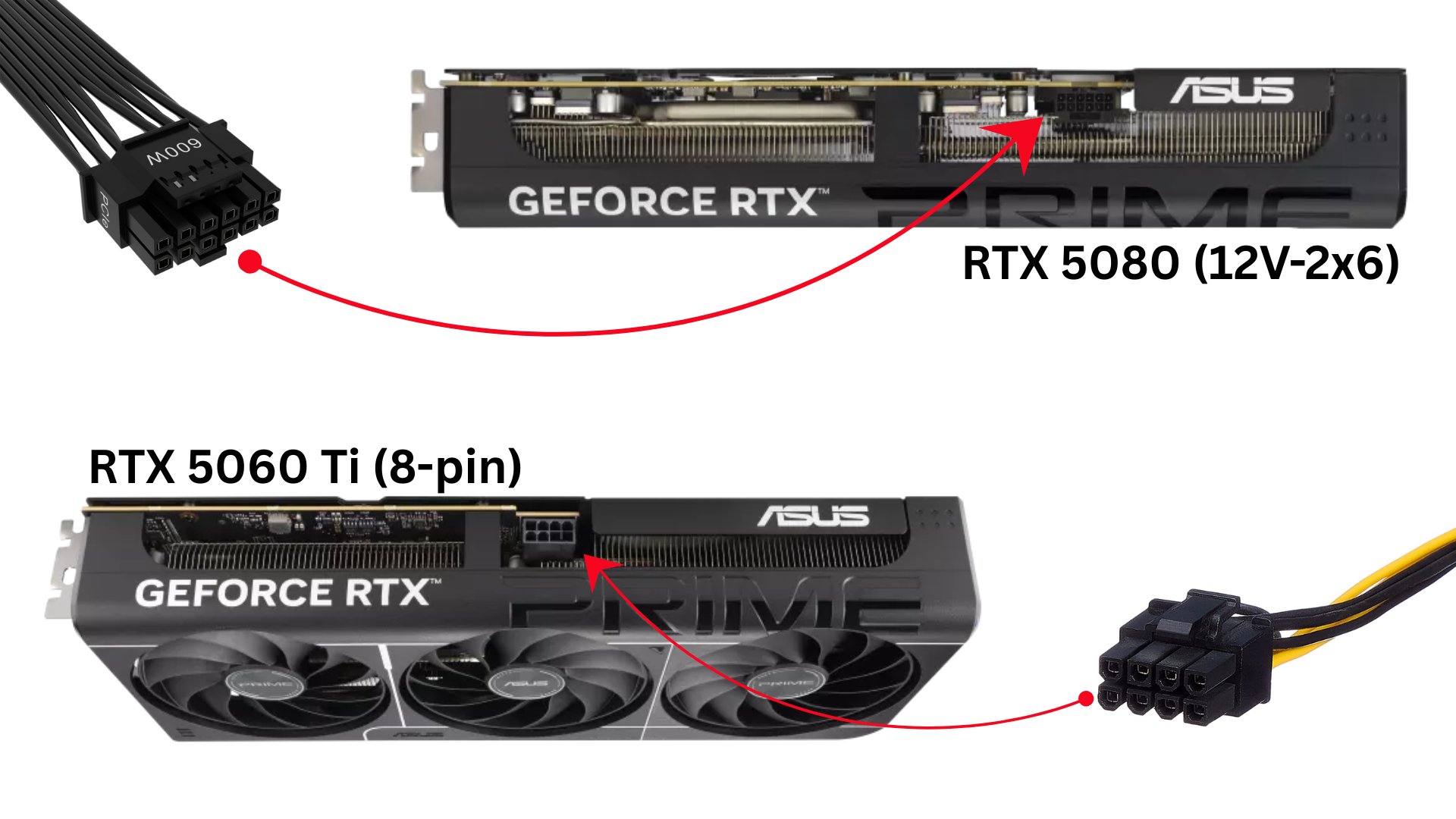
The visual similarity between the two Asus Prime models makes such a swap plausible. Both cards share a nearly identical cooler and shroud design, differing only in subtle aesthetic details. The RTX 5060 Ti, a mid-range card based on a different silicon die (likely a cut-down AD107 or equivalent), was physically dressed to mimic the flagship RTX 5080, which uses a much larger, more complex die (AD102) with significantly higher transistor count and power delivery requirements.
The prevailing theory, as discussed in the Reddit thread, points to a classic "return switcheroo" scheme. The scenario likely unfolded as follows: A different buyer purchased both an RTX 5060 Ti and an RTX 5080 from Amazon. They then initiated a return for the expensive RTX 5080, but instead of sending back the actual 5080, they mailed back the cheaper 5060 Ti. Amazon's return processing, which often prioritizes speed over detailed inspection, likely accepted the package simply because it contained a GPU of the correct physical dimensions and weight. The retailer then resold this fraudulent return to an unsuspecting customer—the Reddit user.
This incident is part of a broader pattern of "comingling" frauds documented in hardware forums. Similar cases have involved customers receiving literal bricks, bags of pasta, or other non-functional items in GPU boxes. The RTX 5080/5060 Ti case is notable for its level of effort; most scammers don't bother with relabeling, making this a more deliberate attempt to defeat casual visual inspection.
From a supply chain perspective, this highlights vulnerabilities in Amazon's returns logistics. The process for handling high-value electronics returns appears to lack robust verification steps, such as serial number checks or functional testing. For a card like the RTX 5080, which commands a premium price due to its performance in AI workloads and 4K gaming, the financial loss to both the retailer and the end customer is substantial.
The technical discrepancy between the two GPUs is stark. The RTX 5080 is built on a 4nm process node (TSMC 4N) with a massive die, featuring 10,752 CUDA cores and a 320-bit memory bus. It's designed for extreme performance, with a TDP often exceeding 320 watts. The RTX 5060 Ti, by contrast, is a much smaller chip, typically with around 4,352 CUDA cores and a 128-bit bus, targeting 1080p and 1440p gaming with a TDP closer to 180 watts. The performance gap is enormous; the 5080 can deliver over 2.5x the gaming performance of the 5060 Ti in most titles.
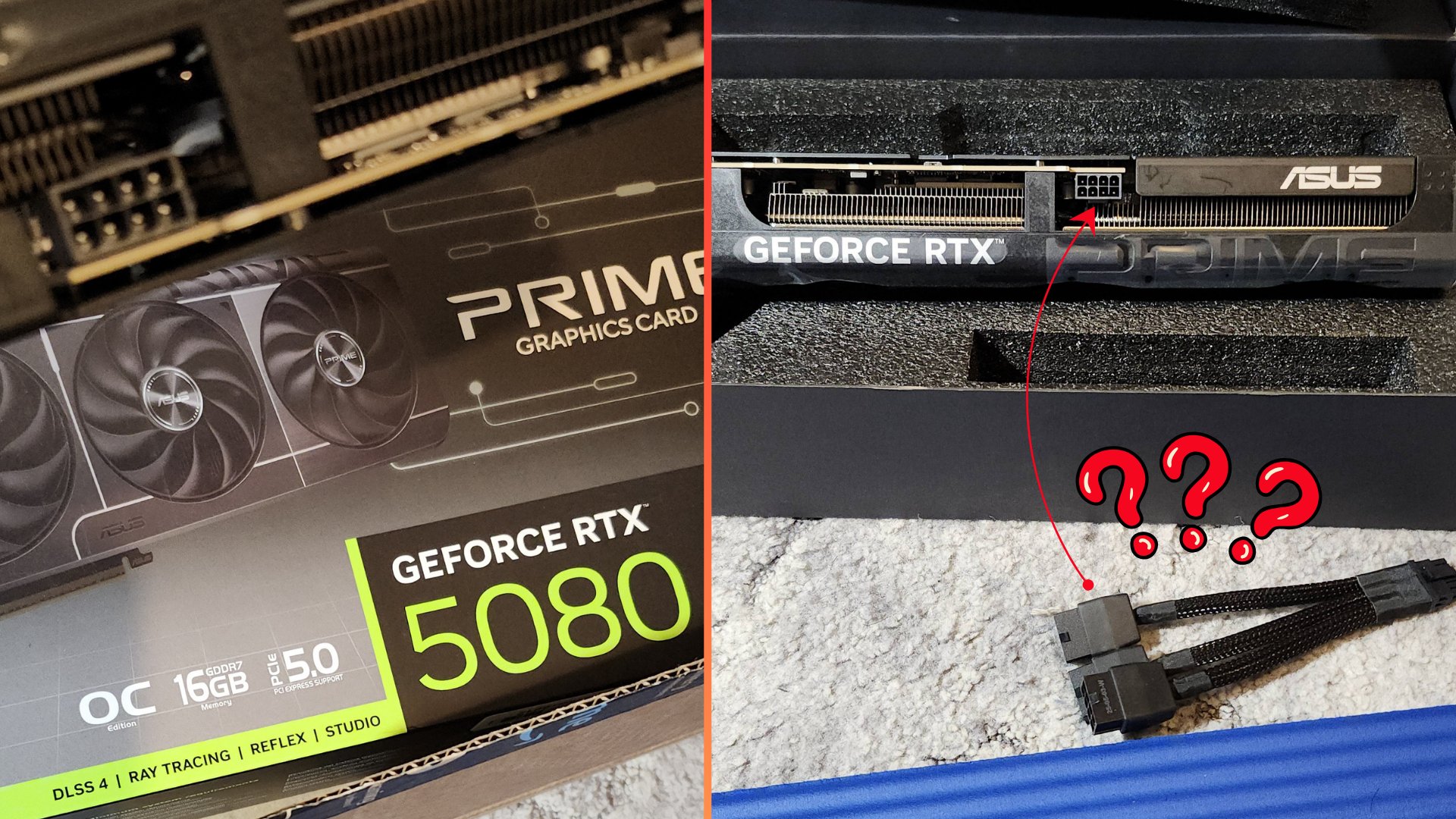
For the victim, the resolution should be straightforward: contact Amazon customer service with photographic evidence and request a full refund or replacement. Amazon's A-to-z Guarantee typically covers such fraudulent transactions. However, the incident serves as a cautionary tale for consumers purchasing high-demand hardware. Buyers should inspect packaging carefully, verify serial numbers against manufacturer databases, and consider purchasing from retailers with stricter return policies or from authorized partners directly.
The broader market implication is that as GPU prices remain elevated—partly due to insatiable demand from AI data centers—scammers are incentivized to develop more sophisticated fraud techniques. This creates a secondary layer of risk for consumers, compounding the primary challenge of simply finding cards at or near MSRP. Retailers like Amazon will need to invest in better return verification systems, potentially involving automated serial number scanning or AI-powered visual inspection, to protect their supply chains and customer trust.

In the meantime, hardware enthusiasts must remain vigilant. The era of straightforward e-commerce for high-value components has passed; due diligence is now a critical part of the purchase process. For those affected, the path to restitution exists, but the experience underscores the fragility of modern retail logistics when faced with deliberate, calculated fraud.
Comments
Please log in or register to join the discussion