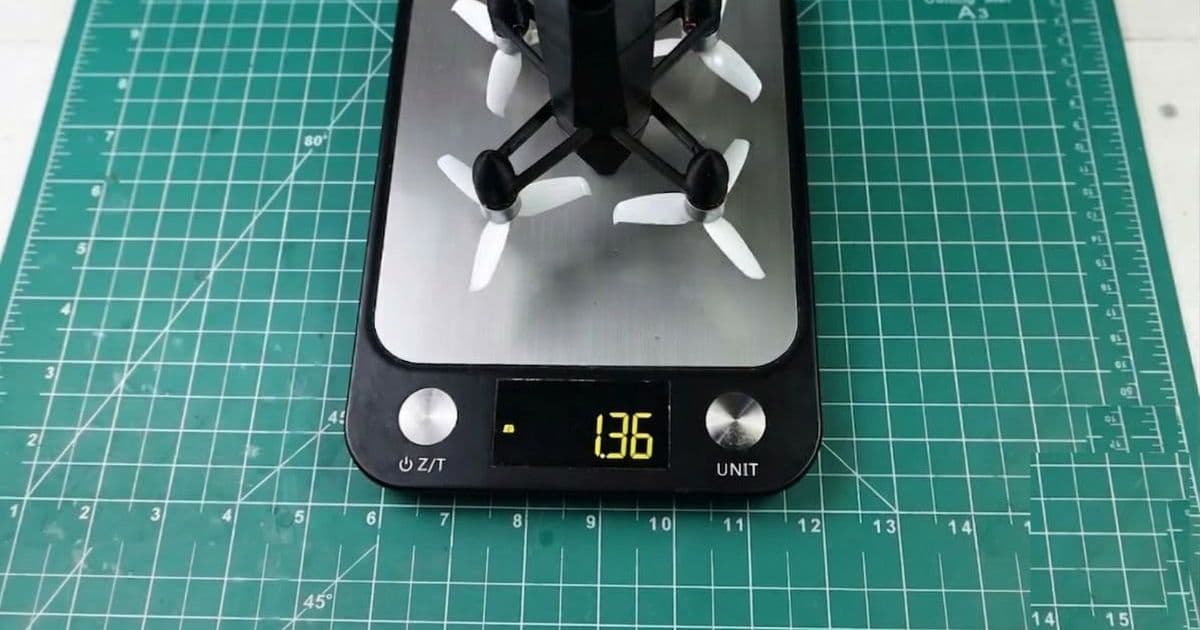
DIY engineer Max Imagination built a record-breaking 136-gram drone using ESP32 microcontroller and 3D-printed PETG parts, achieving speeds over 108 km/h for just $155 in components.
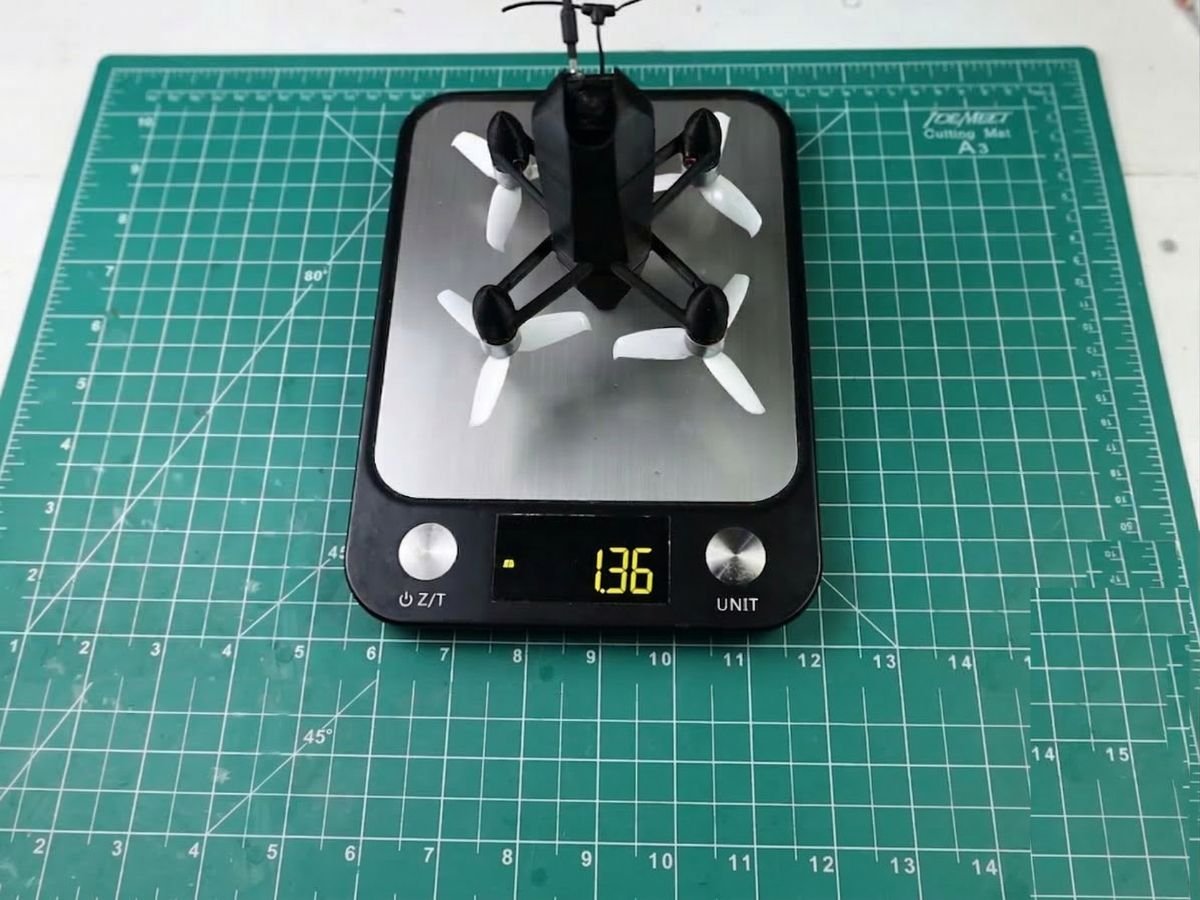
In a new YouTube video, DIY engineer and YouTuber Max Imagination shared his latest creation with the world — a tiny custom-built drone capable of speeds over 108 km/h (67 mph). This drone was built with the cheap but powerful ESP32 microcontroller. According to Max, the inspiration for this project came from two DIY drone engineering teams: Benjamin Bigg on one side, and the Bells — Luke and Maximo Bell — on the other. Over the past months, the two teams have repeatedly broken each other's records for the fastest RC quadcopters, with the most recent drone hitting For this project, Max — known for his cool electronic builds and for providing tutorials and 3D models — enlisted Benjamin for his expertise in high-speed drones. To build this drone, Max spent about $155 on all the components, including propellers, a microcontroller, ESCs, a barometer, a GPS unit, and more. The body of the drone was 3D-printed using an Elegoo Neptune 4 Plus 3D Printer (curr. $349.99 on Amazon) and the durable PETG material. After assembly, testing, crashes, and repairs, the tiny drone — nicknamed ESP-Blast — achieved speeds well over 100 km/h. With its 450 mAh battery, it can stay airborne for approximately five minutes and weighs just 136 grams. Max plans future iterations to push the drone's speed even further.
Source(s) Max Imagination (linked above)
Technical Specifications
- Weight: 136 grams
- Maximum Speed: 108 km/h (67 mph)
- Battery: 450 mAh
- Flight Time: ~5 minutes
- Microcontroller: ESP32
- Frame Material: 3D-printed PETG
- Total Cost: ~$155
- 3D Printer Used: Elegoo Neptune 4 Plus
Comparison to Previous Records The ESP-Blast represents a significant achievement in the DIY drone racing community, where engineers have been pushing the boundaries of what's possible with consumer-grade components. The project builds upon the work of Benjamin Bigg and the Bell brothers, who have been engaged in a friendly competition to create the fastest RC quadcopters. While exact specifications of their previous builds aren't available, the ESP-Blast's 108 km/h speed demonstrates the rapid advancement in this niche field.
Build Quality and Design The use of PETG material for 3D printing provides an excellent balance between durability and weight savings. PETG offers better impact resistance than PLA while being easier to print than more exotic materials like carbon fiber reinforced filaments. The choice of the Elegoo Neptune 4 Plus 3D printer suggests that this build is accessible to hobbyists with mid-range equipment, though the printer itself represents a significant investment at $349.99.
Performance Analysis The five-minute flight time at maximum speed represents a reasonable trade-off between performance and battery capacity. For a drone of this size and weight, a 450 mAh battery provides sufficient power without adding excessive weight that would compromise speed. The ESP32 microcontroller, while primarily known for IoT applications, proves capable of handling the real-time processing demands of high-speed drone flight when properly configured.
Future Developments Max Imagination has indicated plans for future iterations to push the drone's speed even further. This suggests potential improvements in motor efficiency, propeller design, or weight reduction could yield even better performance. The open-source nature of the project means that other enthusiasts can build upon this work, potentially leading to even faster designs in the coming months.
Cost-Effectiveness The total build cost of approximately $155 makes this an impressive achievement in terms of value. When compared to commercial racing drones that can cost several hundred dollars, the ESP-Blast demonstrates that high performance doesn't necessarily require a premium price tag. The main cost driver appears to be the 3D printer rather than the drone components themselves.
The ESP-Blast project showcases the potential of combining accessible technology like the ESP32 with modern 3D printing to create impressive custom hardware. As the DIY drone community continues to innovate, we can expect to see even more remarkable achievements in the coming years.
Comments
Please log in or register to join the discussion