
The popular open-source drawing library tldraw has implemented a temporary policy to automatically close pull requests from external contributors due to an influx of AI-generated submissions.
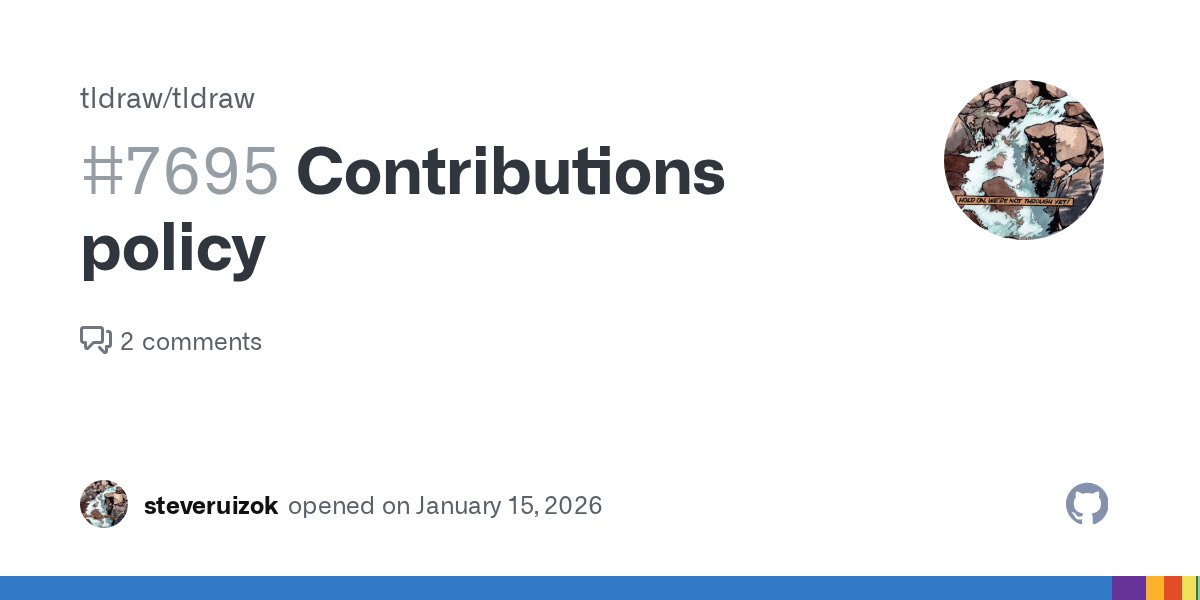
The team behind tldraw, the open-source collaborative drawing tool, has announced a significant policy shift: all external pull requests will now be automatically closed upon submission. This temporary measure responds to a surge in AI-generated contributions that have overwhelmed maintainers' ability to effectively review submissions.
Project founder Steve Ruiz explained the decision stems from a recent flood of contributions created by large language models. While technically formatted as proper pull requests, these AI-generated submissions frequently demonstrate fundamental misunderstandings of the codebase, lack necessary context, and show minimal engagement from the contributors themselves when maintainers seek clarification.
"An open pull request represents a commitment from maintainers that the contribution will be reviewed carefully and considered seriously for inclusion," Ruiz stated in the GitHub policy announcement. "For that commitment to remain meaningful, we need to be more selective."
The project will continue welcoming bug reports, feature requests, and discussions through GitHub issues. External contributors with existing relationships to the project may still have their pull requests considered on a case-by-case basis. Ruiz emphasized this is a temporary measure until GitHub develops better tooling for managing contributions at scale.
This challenge isn't unique to tldraw. Several prominent open-source projects have reported similar struggles with AI-generated pull requests. The Bitcoin development community recently discussed requiring whitelisted membership for contributions, while projects like Ghostty implemented restrictions on non-contributor issues.
Ruiz expressed regret about limiting community involvement, noting tldraw has accepted valuable external contributions since becoming public in 2021. He characterized the policy as necessary to maintain code quality and manageable workloads for maintainers during what he predicts will be "a weird year for programmers and open source."
The announcement suggests AI-generated contributions create friction beyond technical quality. Maintainers invest significant time evaluating each submission—time wasted when contributors don't engage in follow-up discussions or lack context about why changes were proposed. Some commenters suggested supporters donate computing resources instead of AI-generated code if they want to assist projects.
This policy shift highlights emerging tensions between generative AI capabilities and open-source maintenance realities. As Ruiz concluded: "Thank you and please hang on while we all figure this stuff out." The tldraw team expects to reopen contributions once platform tools evolve to better handle the new landscape of AI-assisted development.
Comments
Please log in or register to join the discussion