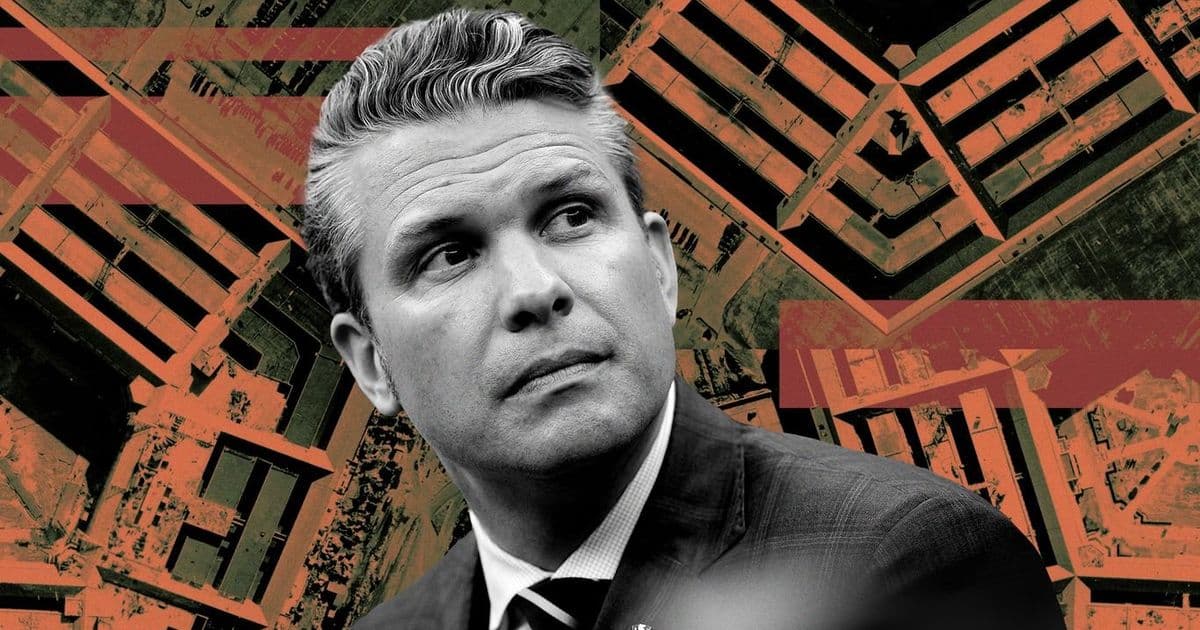
Anthropic's massive $60B+ funding round faces uncertainty as the AI company's contract dispute with the Pentagon intensifies, with half the funding raised just last month from over 200 investors.
Anthropic, the AI safety-focused startup, is facing a critical juncture as its $60 billion-plus funding round hangs in the balance due to an escalating contract dispute with the U.S. Department of Defense. The situation has drawn intense scrutiny from investors, policymakers, and the broader tech community, with half of the funding coming in just last month from over 200 venture capital investors.
The Pentagon Contract Dispute
The conflict centers on Anthropic's reluctance to provide the Pentagon with unrestricted access to its AI models for military applications. According to sources familiar with the negotiations, the Department of Defense has been pushing for broad usage rights that would allow the military to deploy Anthropic's technology across various defense operations, including autonomous weapons systems and intelligence analysis.
Anthropic, founded by former OpenAI researchers who prioritized AI safety, has maintained a cautious approach to military partnerships. The company has previously stated that it would not allow its technology to be used for autonomous weapons or surveillance that violates human rights. However, the Pentagon's demands appear to extend beyond these stated boundaries.
Investor Concerns Mount
The timing of this dispute could not be worse for Anthropic's fundraising efforts. Sources indicate that several investors are now reconsidering their commitments, with some already pulling out of the $60 billion round. The company had been in advanced talks with sovereign wealth funds from the Middle East and Asia, but these discussions have reportedly stalled.
"This is exactly the kind of reputational and operational risk that makes institutional investors nervous," said one venture capitalist who requested anonymity. "When you're raising at this scale, you need absolute clarity on governance and contract terms. The Pentagon dispute introduces too much uncertainty."
OpenAI's Contrasting Approach
Adding to Anthropic's challenges is OpenAI's recent announcement that it has agreed to follow U.S. laws that have historically allowed for mass surveillance in government contracts. This move has positioned OpenAI as more willing to work with defense agencies, potentially giving it an advantage in securing government contracts and investor confidence.
OpenAI CEO Sam Altman announced the company's position on Friday evening, stating that OpenAI would comply with Department of Defense requirements. This announcement came amidst the fallout from the Anthropic-DOD standoff and appears to have been strategically timed to highlight the differences between the two AI companies.
Legal and Ethical Implications
The dispute raises fundamental questions about AI companies' rights and obligations in government contracts. Legal experts point to the "any lawful use" standard that typically governs federal procurement, which could theoretically require AI companies to provide their technology for any legal government purpose, including military applications.
Anthropic's position has drawn support from some quarters, including AI safety advocates who argue that the company's stance represents a necessary check on the militarization of artificial intelligence. However, critics contend that refusing government contracts could limit American competitiveness in AI development, particularly against Chinese companies that face fewer ethical constraints.
Market Impact and Industry Response
The uncertainty surrounding Anthropic's funding has sent ripples through the AI investment community. Several other AI startups have reported increased scrutiny from their own investors, who are now questioning the long-term viability of companies that take strong ethical stances against government work.
Industry analysts note that this dispute represents the first major public debate over control of frontier AI technology. The erratic and often unclear responses from various institutions involved have highlighted the lack of established frameworks for managing these complex relationships between AI companies, government agencies, and investors.
The Path Forward
Anthropic faces a difficult choice. Compromising on its ethical principles could secure the funding and government contracts it needs to compete with OpenAI and other rivals, but it would fundamentally alter the company's identity and potentially alienate its core user base. Standing firm on its principles could preserve its brand but might result in a funding shortfall that could hamper its ability to develop competitive AI models.
The outcome of this dispute will likely set precedents for how other AI companies navigate the increasingly complex relationship between technological innovation, ethical considerations, and national security interests. As one industry observer noted, "This isn't just about Anthropic anymore. This is about defining the rules of engagement for the entire AI industry in the age of great power competition."
For now, Anthropic's investors are watching closely, with many indicating that they will make final decisions on their funding commitments based on how the company resolves its differences with the Pentagon. The next few weeks could determine not only Anthropic's future but also shape the broader landscape of AI development and its relationship with government institutions.

Comments
Please log in or register to join the discussion