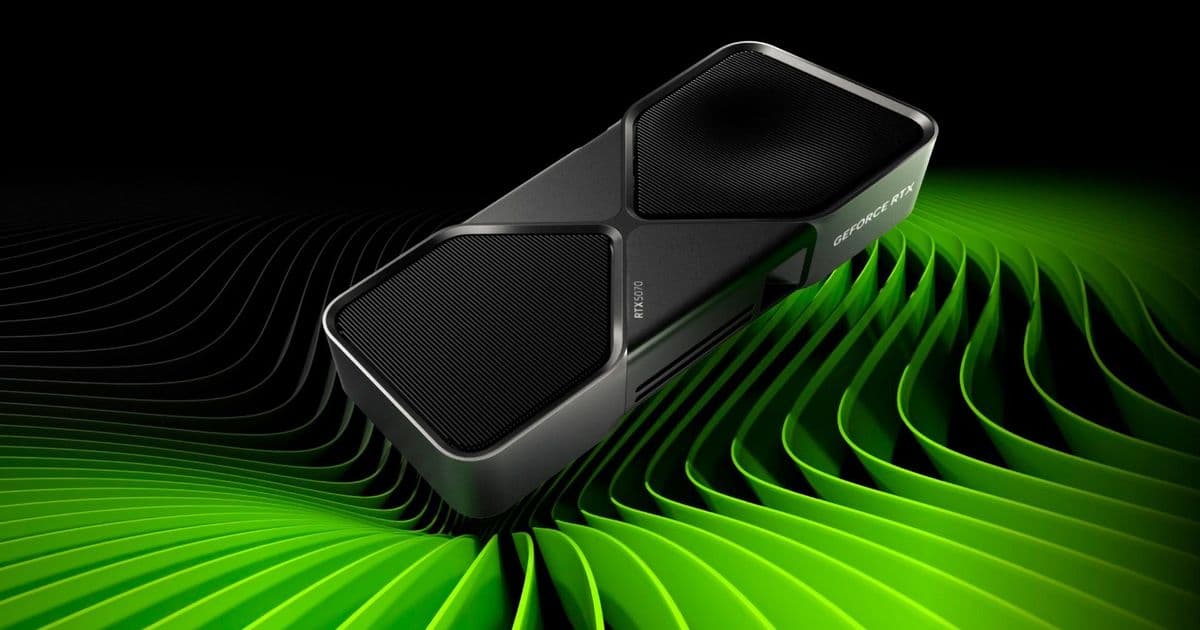
The GeForce RTX 5070 has surged to become Steam's most popular GPU with 9.42% market share, defying global memory shortages and a 15% price increase. However, the dramatic rise appears heavily influenced by China's gaming cafe culture rather than individual consumer purchases.
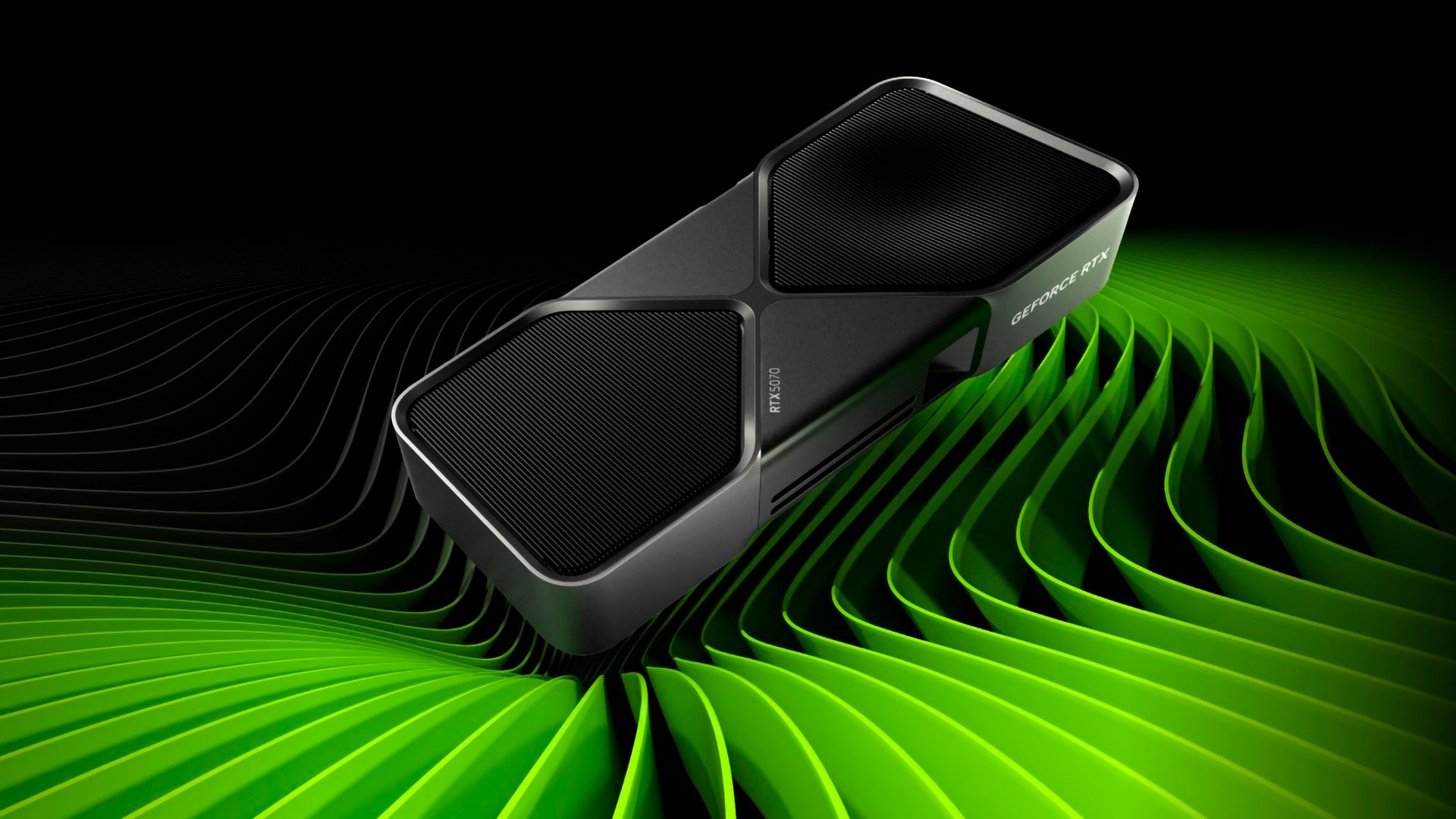
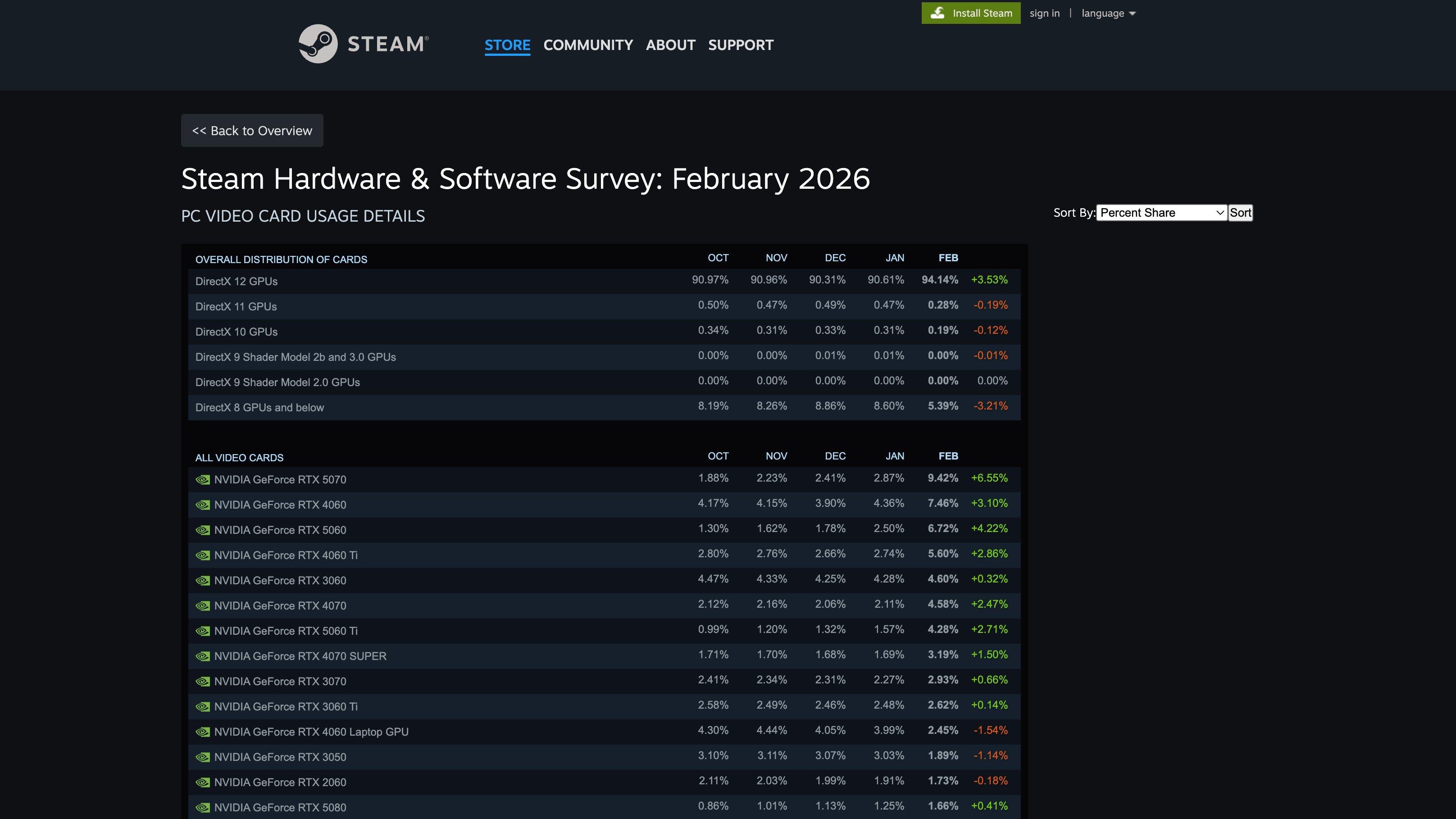
The GeForce RTX 5070 has achieved what many thought impossible during a global memory shortage - it has become Steam's most popular gaming graphics card, capturing 9.42% market share in February 2026. This represents a staggering 6.55 percentage point increase from the previous month, propelling it past the long-reigning GeForce RTX 4060.
(Image credit: Nvidia)
What makes this achievement particularly remarkable is that the RTX 5070 launched with a 15% price increase over its $549 MSRP, yet it has still managed to dominate the market. The Blackwell architecture-powered GPU has proven that performance and efficiency can outweigh cost concerns, even during component shortages.
However, a closer examination of Steam's Hardware & Software Survey reveals that this meteoric rise may not be entirely what it seems. The survey data shows that 54.6% of users surveyed in February hailed from China - a massive 30.74% increase compared to previous months. This surge coincides perfectly with the Chinese New Year holidays, which typically last seven days and give millions of Chinese gamers extended playtime.
(Image credit: Valve)
Chinese gaming culture presents a unique challenge for hardware surveys. Internet gaming cafes, which are extremely popular throughout China, can dramatically skew statistics. These establishments often house hundreds of systems, and when thousands of different users log into the same hardware over a week-long holiday period, it creates an artificial inflation of certain hardware configurations in survey data.
Consider the math: a single gaming cafe with 200 systems running RTX 5070s could represent 200 individual survey responses, even though it's the same physical hardware being used by different people. Multiply this by the thousands of gaming cafes across China, and you can see how quickly the numbers add up.
This phenomenon isn't unprecedented. A few years ago, AMD processors experienced a similar surge in Steam's survey data, which was later attributed to the same gaming cafe effect in China. The pattern suggests that while the RTX 5070 is indeed popular, its "number one" status may be more reflective of concentrated usage in specific venues rather than widespread individual adoption.
Beyond the GPU statistics, the February 2026 survey revealed other interesting trends that paint a picture of the current PC gaming landscape. Despite ongoing memory shortages that have driven prices to "ludicrous" levels, Steam reported an 18.91% increase in gaming systems with 32GB of RAM. This suggests that gamers are prioritizing memory capacity upgrades, likely driven by modern games that increasingly list 32GB as a minimum requirement.
The survey also highlighted growing discontent with Windows 11 among Steam's user base. Despite Windows 11 reaching nearly 75% market share across all PC users, Steam gamers showed a different pattern - Windows 11 declined by 10.43% in February, while Windows 10 grew by 12.46%. This suggests that many gamers are actively choosing to revert to Windows 10, even though Microsoft ended official support for the operating system in October 2025.
These trends paint a complex picture of the PC gaming market in early 2026. While the RTX 5070's performance and efficiency have clearly resonated with gamers, the true extent of its individual market penetration remains questionable. The memory shortage has created interesting purchasing patterns, with gamers willing to pay premium prices for both GPUs and RAM to maintain competitive gaming experiences.
The situation also highlights the challenges of interpreting global hardware surveys when cultural differences in PC usage are so pronounced. What appears to be a massive shift in consumer preferences may actually be a temporary spike in concentrated usage patterns, particularly in markets with different gaming infrastructure than Western countries.
For Nvidia, the RTX 5070's apparent success represents a significant marketing victory, regardless of the underlying reasons. The Blackwell architecture has proven capable of capturing market attention even in challenging economic conditions. However, for industry analysts and competitors, the data serves as a reminder that raw survey numbers require careful interpretation, especially when global markets with vastly different gaming cultures are involved.
As the memory shortage continues and component prices remain volatile, it will be interesting to see whether the RTX 5070 can maintain its momentum through genuine consumer adoption or whether its survey dominance will prove to be a temporary artifact of China's unique gaming ecosystem.
Comments
Please log in or register to join the discussion