How AI development tools are transforming cloud management app creation across providers, with a case study using Azure Application Insights.
The cloud management landscape is undergoing a significant transformation as AI-powered development tools enable organizations to build custom management applications faster and more efficiently than ever before. This shift represents a fundamental change in how enterprises approach cloud operations, moving from off-the-shelf solutions to purpose-built tools tailored to specific needs.
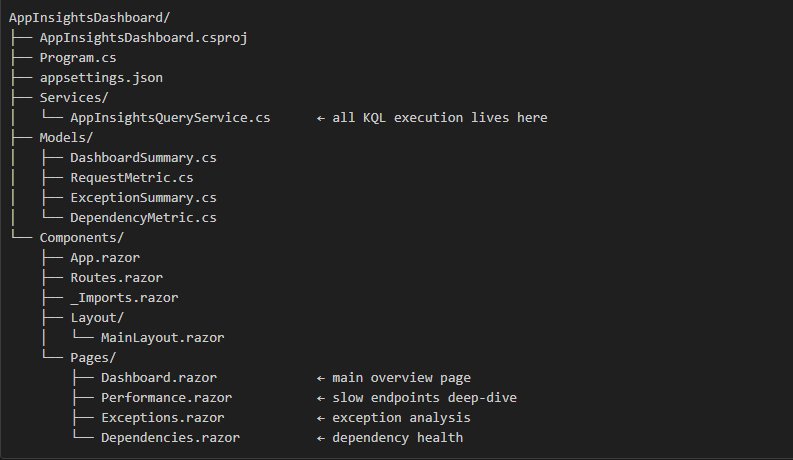
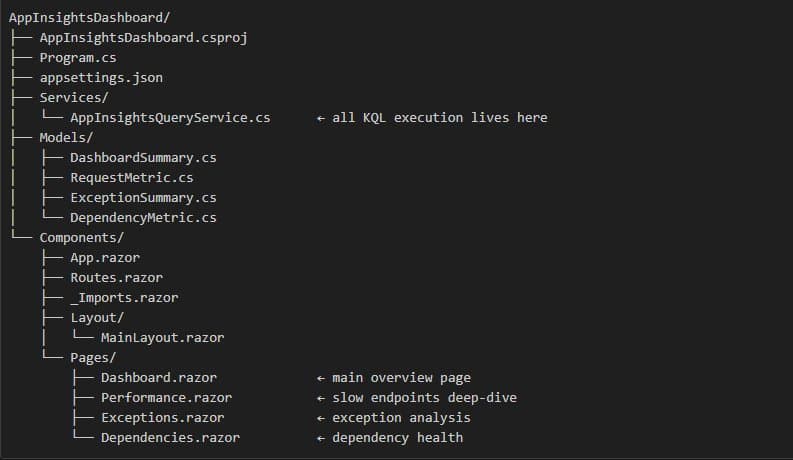
When a client recently approached me about interpreting Azure Application Insights data, I saw an opportunity to explore how modern AI tools could accelerate the development of cloud management solutions. The traditional approach would involve weeks of requirements gathering, architecture design, and development time. Instead, I decided to test the capabilities of GitHub Copilot CLI to generate a functional Azure management application from a simple natural language prompt.
The Evolution of Cloud Development Tools
Cloud providers have long offered SDKs and management interfaces, but the process of building custom management tools has remained complex and time-intensive. The emergence of AI coding assistants like GitHub Copilot CLI represents a paradigm shift, allowing developers to describe requirements in natural language and receive functional code implementations.
For Azure, this means developers can now quickly build tools that:
- Query Application Insights resources
- Monitor service performance metrics
- Analyze exception patterns
- Track dependency health
- Visualize operational data
The same approach can be applied across other cloud providers:
- AWS: Using AWS SDK with AI assistants to build CloudWatch dashboards
- Google Cloud: Creating custom operations tools with Google Cloud APIs
- Multi-cloud: Developing unified management interfaces across providers
Technical Implementation Across Cloud Providers
While my implementation focused on Azure, the approach translates well across cloud environments. The core pattern involves:
Authentication and Authorization:
- Azure: DefaultAzureCredential with RBAC permissions
- AWS: SDK with credential chain (environment variables, IAM roles)
- GCP: Application Default Credentials with appropriate scopes
API Integration:
- Azure: Azure Monitor Query SDK for Application Insights
- AWS: CloudWatch API for metrics and logs
- GCP: Cloud Monitoring API for operational data
Frontend Architecture:
- Blazor Server (in my Azure example) for .NET environments
- React/Vue for JavaScript ecosystems
- Python Dash for Python-based solutions
The key advantage is that AI assistants can generate the boilerplate code for each provider's specific SDK requirements, allowing developers to focus on business logic rather than authentication setup and API intricacies.
Business Impact and Strategic Considerations
The implications of this approach extend beyond simple development acceleration:
Cost Efficiency: Building custom tools eliminates the need for expensive third-party monitoring solutions. With AI assistance, development time is reduced from weeks to hours, dramatically lowering the total cost of ownership.
Provider Lock-in Mitigation: While my example focused on Azure, the same AI-assisted development approach can be applied to build tools for other providers. This enables organizations to create consistent management experiences across multi-cloud environments without being tied to a single vendor's ecosystem.
Operational Agility: Custom-built tools can evolve with changing requirements. Unlike off-the-shelf solutions, AI-generated codebases can be easily modified and extended as monitoring needs change, without waiting for vendor updates or purchasing additional modules.
Skill Development: This approach shifts the focus from memorizing provider-specific APIs to understanding cloud concepts. Developers can work across multiple cloud platforms using the same AI-assisted development patterns.
Migration Considerations for Organizations
Adopting AI-assisted development for cloud management tools requires thoughtful consideration:
Security Review: As noted in my implementation, AI-generated code should always undergo security review before production deployment. The code review process should focus on:
- Proper credential handling
- API permission scopes
- Input validation
- Error handling
Knowledge Transfer: While AI accelerates development, organizations must ensure that operational knowledge isn't lost. Documentation and code comments become even more critical when using AI-generated code.
Provider-Specific Optimization: AI-generated code provides a solid foundation, but provider-specific optimizations often require human intervention. For example, Azure's KQL query language has performance nuances that AI might not fully optimize.
Maintenance Strategy: Unlike traditional applications, AI-assisted tools can be incrementally improved. Organizations should establish processes for regularly prompting AI assistants with new requirements and improvements.
The Future of Cloud Development
This approach represents just the beginning of how AI will transform cloud development. As these tools mature, we can expect:
- More sophisticated natural language prompts that generate complete applications
- Automatic optimization for specific cloud provider pricing models
- Built-in cost estimation and right-sizing recommendations
- Automated compliance checks and policy enforcement
For organizations evaluating cloud strategies, this approach offers a compelling middle ground between fully managed services and custom development. It provides the flexibility of custom tools with the development speed of off-the-shelf solutions, while maintaining portability across cloud providers.
As cloud environments become increasingly complex, the ability to rapidly build and adapt management tools will become a critical competitive advantage. AI-assisted development democratizes this capability, allowing even small teams to create sophisticated cloud management solutions that were previously accessible only to large enterprises with dedicated development teams.
For those interested in exploring this approach further, I've documented my experience building an Azure governance web app using similar techniques in this previous post. The patterns demonstrated there apply equally well to other cloud providers and management scenarios.
Comments
Please log in or register to join the discussion