Major geopolitical and economic events across Asia this week include Tokyo's energy security forum amid Iran conflict disruptions, US-South Korea military exercises, and China's Two Sessions concluding with new five-year plan targets.
This week brings critical developments across Asia's political and economic landscape, from Tokyo's energy security forum to military exercises on the Korean Peninsula and the conclusion of China's annual political gatherings.
Tokyo Hosts Energy Security Ministerial Amid Regional Tensions
The first Indo-Pacific Energy Security Ministerial and Business Forum kicks off in Tokyo, co-hosted by Japan's Ministry of Economy, Trade and Industry and the U.S. National Energy Dominance Council. The timing is particularly significant given current energy market disruptions caused by the ongoing Iran conflict, which has severely restricted energy supplies across the region.
Nearly a dozen Indo-Pacific countries are expected to attend the two-day event, which includes closed-door ministerial meetings. The forum represents a strategic effort to address energy security concerns in a region where supply chain vulnerabilities have become increasingly apparent.
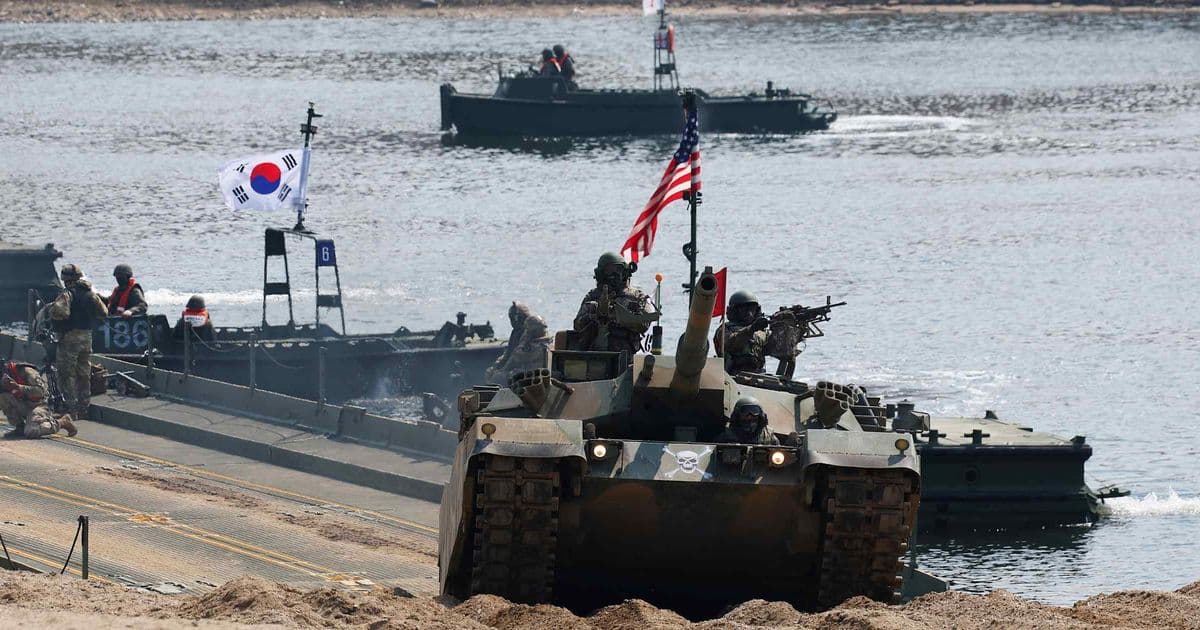
US-South Korea Military Exercises Proceed Amid North Korean Threats
South Korea and the United States launched their annual Freedom Shield military drills, running through March 19. These exercises involve large-scale live defensive training and have historically triggered heightened tensions with North Korea, which views them as preparation for invasion.
Past military maneuvers have occasionally sparked clashes in border areas, making this year's exercises particularly sensitive given current regional dynamics. The drills demonstrate continued U.S.-South Korea military cooperation despite diplomatic challenges.
China's Two Sessions Conclude with Modest Growth Targets
Beijing's annual political meetings wrap up with the National People's Congress's final day. During the gatherings, Chinese officials unveiled the country's new five-year plan, which calls for average annual research and development spending growth of 7% or above.
Notably, the government lowered its GDP growth target to between 4.5% and 5%, a tacit acknowledgment of the pressures facing the world's second-largest economy. This adjustment reflects both domestic challenges and global economic uncertainties affecting China's growth trajectory.
Regional Economic Meetings Address Iran Conflict Fallout
ASEAN economic ministers will convene in Manila to discuss policy proposals aimed at generating growth in Southeast Asia as the region manages the economic fallout from the Iran conflict. The meeting highlights how geopolitical tensions continue to ripple through regional economies.
Meanwhile, Philippine President Ferdinand Marcos Jr. visits New York through Wednesday for high-level engagements, including an address before a special session of the United Nations General Assembly. His participation underscores the Philippines' active role in international diplomacy.
Anniversary Marks 2011 Japan Disaster
Wednesday marks the 15th anniversary of the March 11, 2011, earthquake and tsunami that triggered Japan's devastating nuclear disaster. Ceremonies honoring victims will be held in affected regions, with Japanese Prime Minister Sanae Takaichi scheduled to visit Fukushima prefecture.
The anniversary comes as Japan continues its nuclear power revival, a development that has triggered renewed concern about Fukushima's legacy. Recent reports indicate TEPCO's nuclear plant has transmitted power for the first time in over 14 years, signaling ongoing recovery efforts.
Economic Data and Corporate Earnings
Thursday brings India's inflation data, providing insight into price pressures in one of Asia's fastest-growing major economies. The figures will be closely watched for signs of monetary policy direction from the Reserve Bank of India.
Also on Thursday, Cathay Pacific releases its earnings, offering a window into Hong Kong's aviation sector and broader travel industry trends in Asia. The airline's performance will reflect both regional economic conditions and global travel patterns.
Energy Market Volatility Continues
Recent commodity market movements underscore the region's energy security concerns. Fertilizer prices have spiked amid the Iran war, with experts warning that an even worse crunch may be developing. This volatility highlights the interconnected nature of energy, agriculture, and economic stability across Asia.
The Tokyo energy forum arrives at a critical juncture when energy security has become a top priority for governments and businesses alike, particularly as traditional supply chains face unprecedented disruptions.
Comments
Please log in or register to join the discussion