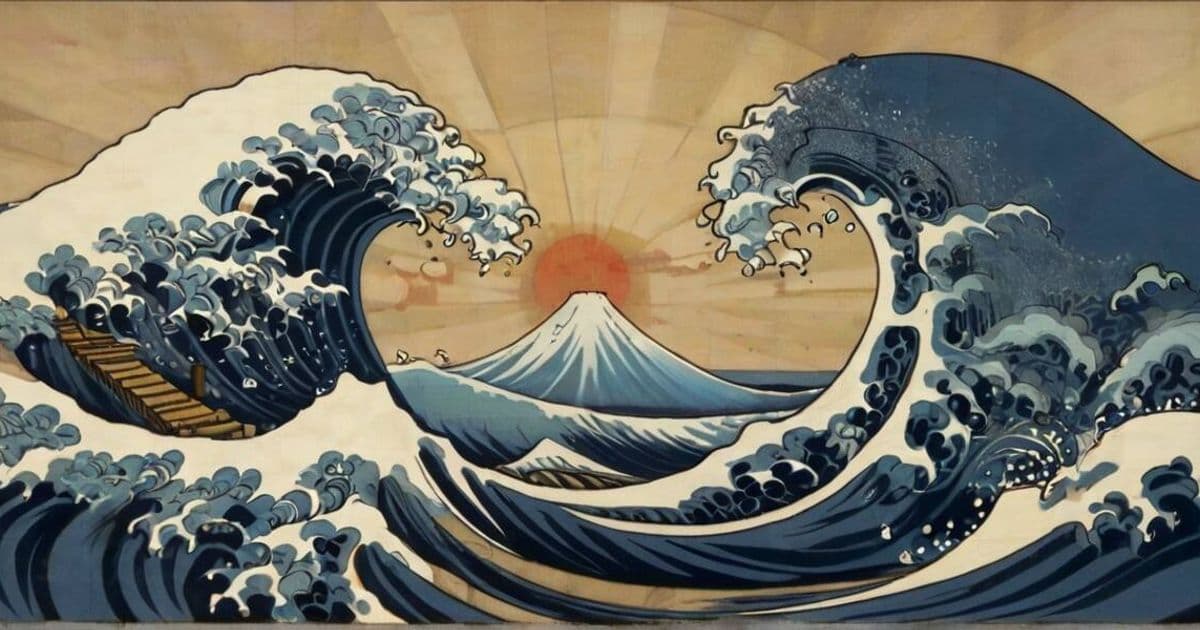
Kubernetes 1.36 'Haru' release introduces artistic Japanese-inspired release notes featuring Hokusai-inspired art, poetic language, and metaphorical elements that set a new standard for technical documentation.
Kubernetes issued a new release called "Haru" on Wednesday, and the release notes and logo might be more interesting than the software itself. The Kubernetes 1.36 Release Team has set a new standard for technical documentation by incorporating Japanese poetry and art into their release notes, creating a unique blend of technical information and artistic expression.
The launch announcement explains that the new version "arrives as the season turns and the light shifts on the mountain." This poetic language is part of a deliberate effort to make technical documentation more engaging and meaningful. The logo, created by artist Natsuho Ide (who goes by avocadoneko), draws inspiration from Katsushika Hokusai's famous series Thirty-six Views of Mount Fuji (富嶽三十六景, Fugaku Sanjūrokkei), which includes the iconic image The Great Wave off Kanagawa.
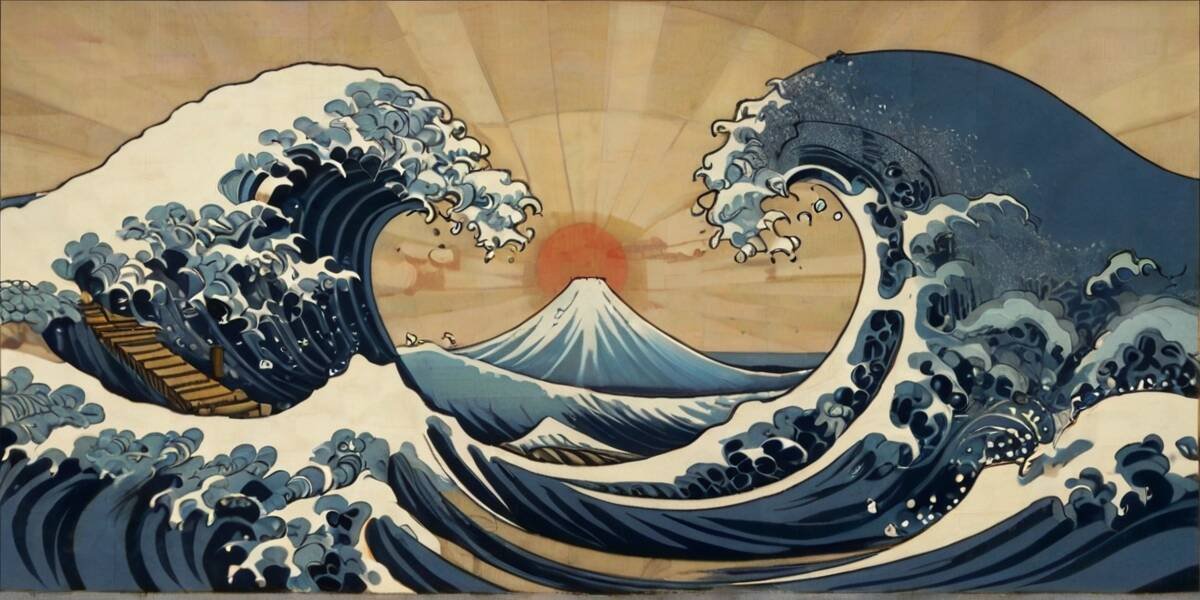
The logo specifically reimagines one of the series' most celebrated prints, Fine Wind, Clear Morning (凱風快晴, Gaifū Kaisei), also known as Red Fuji (赤富士, Aka Fuji). This depicts the mountain lit red in a summer dawn, bare of snow after the long thaw. The visual metaphor represents clarity, renewal, and perspective—qualities the Kubernetes team wanted to associate with this release.
The name of the release, ハル (Haru), is particularly meaningful. As the release notes explain, "Haru is a sound in Japanese that carries many meanings; among those we hold closest are 春 (spring), 晴れ (hare, clear skies), and 遙か (haruka, far-off, distant). A season, a sky, and a horizon." This multi-layered naming approach reflects the complexity and depth of the Kubernetes project itself.
The logo includes several symbolic elements beyond the mountain imagery. At the foot of Fuji sit Stella (left) and Nacho (right), two cats with Kubernetes helm on their collars. They stand in for komainu, the paired lion-dog guardians that watch over Japanese shrines. The release notes explain: "Paired, because nothing is guarded alone. Stella and Nacho stand in for a very much larger set of paws: the SIGs and working groups, the maintainers and reviewers, the people behind docs, blogs, and translations, the release team, first-time contributors taking their first steps, and lifelong contributors returning season after season. Kubernetes v1.36 is, as always, held up by many hands."
The calligraphy element, 晴れに翔け (hare ni kake), translates to "soar into clear skies" and represents the first half of a couplet that was too long to fit on the mountain. The complete couplet reads: 晴れに翔け、未来よ明け (hare ni kake, asu yo ake), which means "Soar into clear skies; toward tomorrow's sunrise." This poetic expression of forward momentum and aspiration gives the release notes an emotional dimension rarely found in technical documentation.
The release notes continue with a wistful reflection: "That is the wish we carry for this release: to soar into clear skies, for the release itself, for the project, and for everyone who ships it together. The dawn breaking over Red Fuji is not an ending but a passage: this release carries us to the next, and that one to the one after, on toward horizons far beyond what any single view can hold."
This artistic approach sets a very high bar for future release notes across the technology industry. By combining technical information with poetic language and meaningful visual metaphors, the Kubernetes team has demonstrated that documentation can be both informative and emotionally resonant.
Beyond the artistic elements, the release includes several technical improvements. Parts of the Kubernetes Dynamic Resource Allocation (DRA) ecosystem have reached full production maturity, delivering what the project calls "a permanent, secure framework for cluster administrators to access and manage hardware resources globally." This enhancement should make Kubernetes more manageable for administrators dealing with complex infrastructure.
The release also introduces VolumeGroupSnapshot support, which will improve resilience and recoverability of data, along with new ways to scale the number of storage volumes a node can utilize. These improvements address practical challenges faced by organizations running Kubernetes in production environments.
Notably, this release also marks the retirement of Ingress NGINX, a tool that the maintainers determined was too flawed to continue supporting. The decision to retire rather than repair reflects the project's commitment to maintaining high quality standards across its components.
The Kubernetes 1.36 "Haru" release demonstrates that technical documentation can transcend its utilitarian purpose to become something more—art that connects with users on an emotional level while still delivering essential information. This approach may influence how other technology projects approach their own documentation in the future.
For organizations running Kubernetes, the artistic elements of this release serve as a reminder that technology is created and maintained by people with diverse perspectives and creative talents. The human element in open source projects often gets overshadowed by technical discussions, but the Kubernetes team has chosen to highlight it in a meaningful way.
As the project continues to evolve, this release may be remembered not just for its technical features, but for its innovative approach to documentation that bridges the gap between technology and art. The poetic language and visual metaphors create a narrative around the release that makes it more memorable and meaningful to users and contributors alike.
Comments
Please log in or register to join the discussion